Category: Uncategorized

  • How to Remove Oven Grease Properly

    How to Remove Oven Grease Properly

    That sticky film on the oven door is rarely just one missed clean. It is usually months of splatters, heat and smoke settling into a stubborn layer that ordinary wiping will not touch. If you are wondering how to remove oven grease without wasting an afternoon scrubbing, the right method matters as much as the product you use.

    A grease-heavy oven affects more than appearance. It can create unpleasant odours, produce extra smoke during cooking and make the whole kitchen feel less hygienic than it should. For busy households, rental properties and shared spaces, getting the oven back to a clean, presentable standard is often less about perfection and more about using a process that is safe, efficient and realistic.

    How to remove oven grease without damaging surfaces

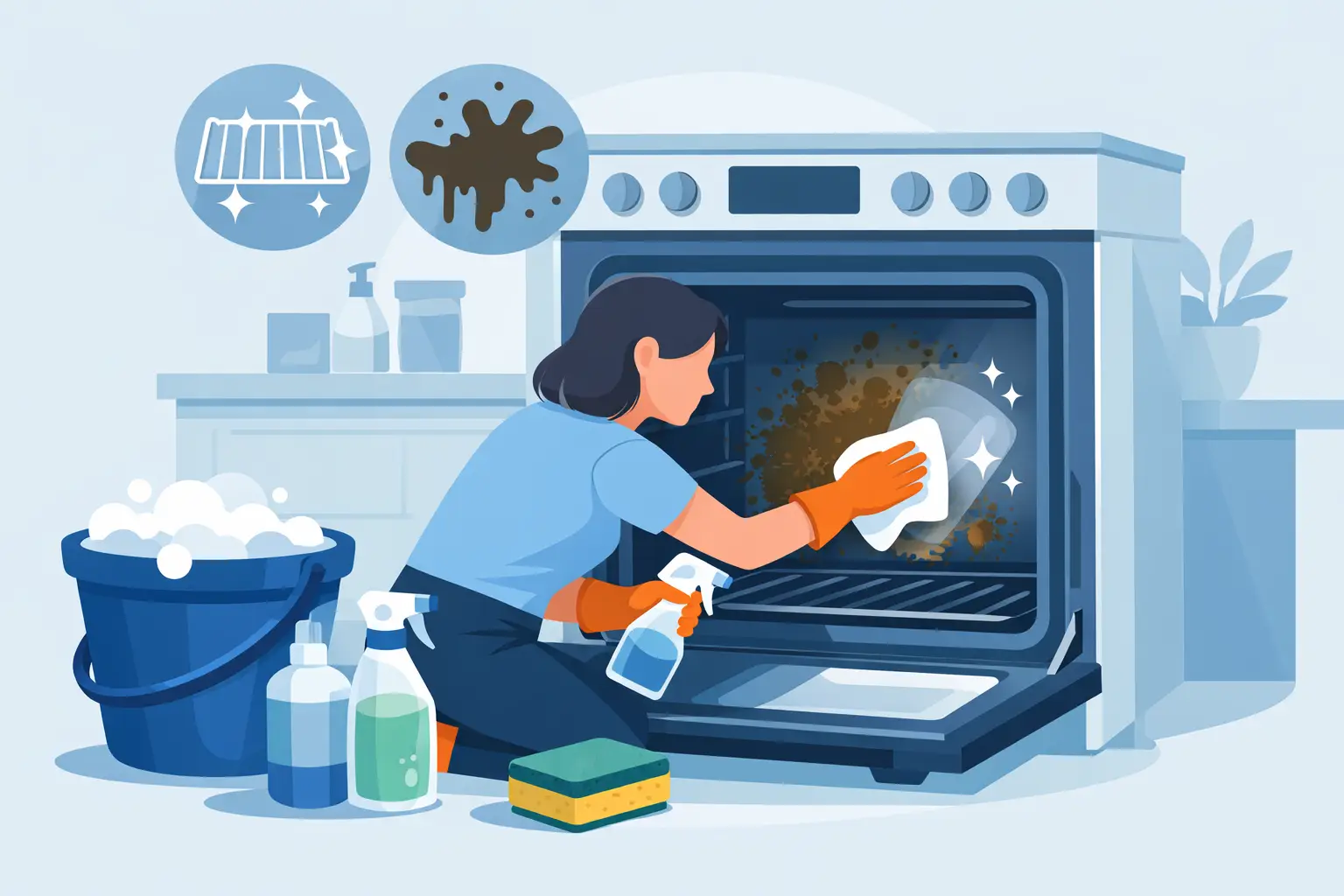
    The first step is to let the oven cool fully. Cleaning a warm oven can seem tempting because grease softens with heat, but it also increases the risk of burns and can make products evaporate too quickly. Once cool, remove the shelves, trays and any loose crumbs. A dry cloth or hand brush helps here because it clears the debris before you introduce moisture.

    Next, choose a cleaner that suits the level of build-up. For light to moderate grease, a paste of bicarbonate of soda and water can be very effective. It is gentle, widely available and suitable for many oven interiors. For heavier deposits, especially around the door edges and the roof of the oven, a specialist degreaser may save considerable time. The trade-off is that stronger products often require more ventilation and more careful handling.

    Apply your chosen cleaner to greasy areas and let it dwell. This waiting time is where much of the work happens. Scrubbing too soon often leads to frustration because the grease has not had time to break down. Ten to thirty minutes is usually enough for moderate grime, while tougher areas may need longer, provided the product instructions allow it.

    When you begin wiping, use a soft non-scratch pad or microfibre cloth. Work in sections rather than attacking the whole oven at once. This keeps the job controlled and helps you see where grease is lifting cleanly and where it needs a second pass. If you use an abrasive scourer on enamel or glass, you may remove the grease but leave fine scratches behind.

    The areas most people miss

    The inside of the oven door often needs more attention than the cavity itself. Grease builds up there quickly because it catches steam and splashes at eye level. If the glass is removable according to the manufacturer guidance, cleaning between the panels can dramatically improve the look of the oven. If it is not designed for easy access, it is best not to force it.

    Shelf runners, hinges and the rubber seal around the door are also common problem areas. Grease settles into these edges and can transfer back onto clean cloths if left untouched. A small brush, such as an old washing-up brush or detailing brush, helps loosen grime from corners without damaging the finish.

    Then there are the oven shelves. These are often the most awkward part because the grease is baked onto metal bars from every angle. Soaking them in hot water with washing-up liquid can help, but for heavily soiled racks, you may need a degreasing soak and a non-scratch pad afterwards. If space is limited, the bath is the usual fallback, though a towel underneath is sensible to protect the surface.

    What to use for baked-on grease

    Baked-on grease is where many home methods start to struggle. If the residue feels varnished rather than oily, it has been repeatedly heated and hardened over time. In these cases, a bicarbonate paste can still help, but it will usually need several rounds rather than one quick wipe.

    A dedicated oven cleaner is often the faster option for severe build-up. The key is to follow the label closely, especially around contact time, gloves and ventilation. More product does not always mean better results. In fact, overapplying cleaner can leave a residue that is almost as unpleasant as the grease itself.

    Steam cleaning can also help loosen stubborn grime, but it depends on the oven type and the amount of grease involved. Steam is useful for softening deposits, though it is not always strong enough to cut through thick layers on its own. Think of it as a helpful first stage, not always the full answer.

    Natural methods versus specialist products

    If you prefer a lower-chemical approach, bicarbonate of soda, warm water, white vinegar and washing-up liquid are the usual staples. They work well for maintenance cleans and for ovens that are dirty but not heavily carbonised. They are also easier to use in homes where strong chemical smells are a concern.

    That said, natural methods do take longer. They rely more on soaking, repeat applications and patient wiping. For a lightly used family oven, that may be perfectly reasonable. For a neglected oven at the end of a tenancy, or one in a busy household where grease has built up over months, specialist products can be more practical.

    There is no one-size-fits-all answer. The best approach depends on how often the oven is used, what has been cooked in it and how long the grease has been left in place. The right choice is the one that gets the result safely, without turning a cleaning job into an all-day project.

    How often should you clean an oven?

    A quick wipe after spills makes a bigger difference than most people expect. If grease and food residue are removed before they bake on repeatedly, deep cleaning becomes much easier. For most households, a more thorough oven clean every few months is enough to keep things under control.

    If you cook often, roast regularly or use oils that splatter, you may need to clean it more frequently. Landlords and letting agents will know that ovens also attract attention during inspections and end of tenancy checks. In those situations, visible grease can make an otherwise tidy kitchen feel poorly maintained.

    Signs it is time for a deeper clean

    You do not need to wait until the oven looks blackened to act. A greasy smell when preheating, smoke from old splatters, cloudy oven glass and sticky shelf runners are all signs that residue is building up beyond a quick wipe-down.

    At that point, surface cleaning may improve the appearance, but it will not fully deal with the grime. A deeper clean restores both presentation and usability, which matters whether you are cooking for the family, preparing a property for viewings or simply trying to keep your kitchen to a higher standard.

    When professional oven cleaning is worth it

    There are times when knowing how to remove oven grease is useful, and times when handing the job over is simply the better decision. If the grease is thick, burnt on and spread across shelves, door glass and the interior lining, professional cleaning can save a significant amount of time and effort.

    It is also a sensible option if you are short on time, sensitive to strong cleaning products or preparing a property for sale, tenancy changeover or inspection. A professionally cleaned oven does not just look better. It feels cared for, and that has value in both domestic and commercial settings.

    For busy clients across the South West, this is often where convenience becomes just as important as cleanliness. A service-led approach means the work is handled with the right products, proper care and a standard that is difficult to achieve with rushed DIY cleaning.

    Blueglade Cleaning sees this often with end of tenancy cleans and deep cleans, where the oven becomes one of the most labour-intensive parts of the kitchen. Left too long, grease rarely stays a simple wipe-away job.

    A few mistakes to avoid

    One of the biggest mistakes is mixing products, particularly anything containing bleach with other cleaners. Another is using sharp tools to scrape grease from glass or enamel, which can damage the surface permanently. Even harsh scrubbing with the wrong pad can dull finishes and leave marks.

    It is also easy to forget the final rinse. Any cleaner left behind inside the oven can create fumes or smells the next time it is heated. Once the grease is removed, wipe every cleaned area with a fresh damp cloth until no residue remains, then dry with a separate cloth for a clearer finish.

    If your oven has a self-cleaning setting, check the manual before using any product inside. Some liners and coatings are designed to work in a specific way, and using the wrong cleaner may reduce their effectiveness.

    A clean oven changes the feel of the whole kitchen. It looks sharper, works more pleasantly and gives you one less neglected job at the back of your mind. Whether you tackle it yourself or bring in expert help, the best approach is the one that restores a spotless result with as little hassle as possible.

  • Choosing an Office Cleaning Company Devon

    Choosing an Office Cleaning Company Devon

    A missed bin collection, smudged glass in reception, dust gathering around desks – these are small details that change how a workplace feels. When you are responsible for keeping an office presentable, healthy and ready for staff and visitors, choosing the right office cleaning company Devon is not a minor decision. It affects first impressions, team wellbeing and how smoothly your working day runs.

    What a good office cleaning company in Devon should actually deliver

    A professional office clean is not just about making surfaces look tidy. It is about creating a workplace that feels cared for, organised and hygienic from the moment someone walks through the door. That means consistent standards across washrooms, kitchens, desks, flooring, touchpoints and shared spaces, not a quick once-over that leaves the details behind.

    The best providers understand that every office works differently. A small professional practice with client meetings needs a different rhythm from a busy open-plan space with high staff footfall. Some businesses need daily attention to keep washrooms and communal areas fresh. Others are better served by scheduled visits a few times a week, with periodic deeper cleans built in.

    This is where tailored service matters. A cleaning plan should reflect your hours, your layout, your occupancy and the standard you want to maintain. If a company only offers a rigid package, it may not fit your workplace as well as promised.

    Why reliability matters as much as results

    In office cleaning, reliability is part of the service itself. A technically good clean loses value if visits are missed, keys are mishandled or cleaners arrive at disruptive times. For office managers and business owners, the real benefit is peace of mind – knowing the cleaning has been handled properly without needing to chase, check or correct.

    That usually comes down to systems. A dependable company should have trained staff, clear processes, quality checks and enough operational structure to keep standards steady. Holiday cover, sickness cover and supervision are not glamorous topics, but they matter. If a provider relies too heavily on one person with no backup, service gaps become much more likely.

    There is also the question of trust. Cleaning teams often work around confidential documents, expensive equipment and spaces that are empty outside office hours. Insurance, vetting and professional conduct should be taken seriously. You are not simply buying cleaning time. You are handing over responsibility for a part of your workplace.

    How to assess service quality before you commit

    When comparing providers, it is easy to focus on price first. Budget matters, of course, but a low quote can be expensive if standards slip and your team starts noticing the difference. A better starting point is to look at how the company defines quality and how clearly it explains what is included.

    A strong proposal should show attention to the practical reality of your office. That includes floor types, washroom requirements, kitchen use, frequency of touchpoint cleaning and any areas that need special care. If a company has not asked enough questions, it may be estimating rather than planning.

    It also helps to ask how they manage cleaning products and equipment. Eco-conscious products are increasingly important, but they should still be effective and appropriate for commercial environments. The goal is a clean office that supports both hygiene and a more responsible approach to maintenance.

    Communication matters too. You want a provider that is easy to reach, responsive when something changes and open about how feedback is handled. Offices are not static environments. Headcount changes, layouts shift and busy periods create extra pressure on shared spaces. A service that cannot adapt tends to become frustrating over time.

    Office cleaning company Devon: local knowledge has real value

    Choosing an office cleaning company Devon businesses can rely on has a practical advantage. Local teams are often better placed to provide responsive scheduling, consistent attendance and service that fits regional businesses rather than a generic national model.

    That local understanding can be especially useful across mixed office environments in places such as Exeter, Plymouth and wider Devon, where premises vary from modern serviced offices to older buildings with more delicate flooring, tighter access or unusual layouts. A company familiar with the area is often better at planning around travel times, key holding arrangements and the everyday logistics that affect reliability.

    This does not mean smaller is always better or larger is always worse. It depends on how the company is set up. What matters is whether they can provide professional standards with enough flexibility to suit your site.

    The difference between routine cleaning and a genuinely well-kept office

    Many businesses only notice cleaning when something goes wrong. That is understandable, but a well-kept office has a quiet impact every day. It helps staff feel more comfortable at work. It supports a better impression for visitors and clients. It can also reduce the gradual decline that happens when kitchens, carpets, washrooms and shared spaces are only cleaned at surface level.

    Routine cleaning should keep day-to-day standards high, but periodic deeper attention is often what keeps an office looking sharp over the longer term. Carpets hold more dirt than they show at first glance. Upholstered seating can become tired without proper care. Kitchens and washrooms need more than visible wipe-downs to stay truly fresh.

    A strong cleaning partner will usually be able to advise on that balance. There is little point paying for deep cleaning too often if your office does not need it. Equally, if high-traffic areas are being left too long, the workplace can start to look worn even when routine cleaning is happening.

    What to expect from a professional cleaning plan

    A polished service should feel straightforward from the start. The initial conversation ought to focus on your space, your schedule and the level of support you need. After that, you should receive a clear scope of work that explains what will be cleaned, how often and under what arrangements.

    For many offices, that scope will include desks and surfaces, washrooms, kitchen areas, bins, floors, entrances and touchpoints. Some businesses also need internal glass cleaning, carpet care or a deeper sparkle clean at intervals. The exact mix depends on your workplace and your priorities.

    Timing is another key part of the plan. Early morning, evening or out-of-hours cleaning is often best for minimising disruption, but some sites need daytime support for washrooms and communal areas. There is no single right answer. The right schedule is the one that keeps standards high without getting in the way of your staff.

    If you are managing multiple priorities, simplicity counts. A service should be easy to book, easy to adjust and easy to trust. That is part of the value a premium cleaning provider brings.

    Signs you may need to change your current provider

    Sometimes the issue is obvious – missed cleans, complaints from staff or standards dropping in visible areas. More often, the warning signs are quieter. Supplies run low because no one is paying attention. Meeting rooms look passable but not polished. Washrooms are clean enough in the morning but tired by mid-afternoon. Your team starts doing small cleaning jobs themselves because they no longer trust them to be handled.

    These signs usually point to a service that is too generic, under-resourced or poorly supervised. If you are chasing updates, repeating requests or lowering your expectations to match the service, it may be time to reassess.

    A better provider should not create more admin for you. It should remove it.

    Choosing with confidence

    The right office cleaning partner brings more than tidy desks and emptied bins. It brings consistency, care and the confidence that your workplace is being looked after to a high standard. For businesses that want a cleaner, healthier and more polished environment without the hassle of constant oversight, that makes a real difference.

    At Blueglade Cleaning, that standard is built around tailored service, trained teams and a clear focus on dependable results. If you are comparing providers, look beyond the quote and choose the company that makes your office easier to run, not harder.

    A clean office should feel effortless on your side – and that is usually the clearest sign you have chosen well.

  • End of Tenancy Cleaning Company Review

    End of Tenancy Cleaning Company Review

    The difference between getting your deposit back smoothly and ending up in a dispute often comes down to one thing – how well the property is cleaned before handover. That is why an end of tenancy cleaning company review matters more than a quick glance at star ratings. When a move is already packed with admin, boxes and deadlines, choosing the right cleaning partner should remove pressure, not add to it.

    What an end of tenancy cleaning company review should really tell you

    A useful review is not simply a score out of five. It should give you a clear picture of reliability, standards and whether the company understands the level of detail landlords and letting agents expect.

    At move-out stage, cleaning is rarely judged on effort. It is judged on outcome. Are skirting boards wiped, limescale removed, cupboards emptied and cleaned inside, and appliances left presentable? A strong review should point to those real results. If feedback only says a team was “friendly” or “on time”, that is pleasant, but it does not tell you whether the property was cleaned to inspection standard.

    The best reviews also reveal consistency. One glowing testimonial can happen by chance. A pattern of feedback about punctuality, thoroughness, communication and professional conduct tells you much more. For tenants, that reduces the risk of re-clean requests. For landlords and agents, it helps protect turnaround time between occupancies.

    Looking beyond ratings in an end of tenancy cleaning company review

    High ratings are encouraging, but they are only the starting point. A premium cleaning service should be judged on how it works, not just how it looks online.

    Scope of service

    End of tenancy cleaning is more demanding than a standard domestic clean. It usually includes kitchens, bathrooms, internal glass, flooring, skirting, switches, doors and other high-touch areas. In many properties, extras such as oven cleaning, carpet cleaning or upholstery cleaning also make a meaningful difference.

    A good company review should make it clear whether the service was comprehensive or whether key tasks were treated as optional extras. This matters because a cheaper quote can become less attractive once add-ons are included.

    Professional standards

    Trained and insured cleaners are not a luxury at the end of a tenancy. They are part of sensible risk management. Vacant properties often need more intensive work, and there may be fragile surfaces, specialist finishes or last-minute access arrangements to manage.

    When reviews mention professionalism, look for specifics. Did the team arrive prepared? Did they work methodically? Was communication clear before and after the visit? A polished service should feel organised from the booking stage through to completion.

    Responsiveness when plans change

    Moves rarely run exactly to schedule. Keys are delayed, removals overrun and inventories can shift at short notice. A company that handles these moments calmly is worth far more than one that simply offers the lowest price.

    If reviews mention flexibility and helpful communication, that is a strong sign. Convenience is not a minor detail here. It is part of the value of the service.

    What customers usually care about most

    Tenants tend to focus on deposits, timing and whether the property will pass inspection without issue. Landlords and letting agents are often more concerned with presentation, speed and making the property ready for the next occupant. The right cleaning company needs to satisfy both.

    That is where detail becomes commercially important. Grease in the kitchen, soap residue in the bathroom and marks around handles or light switches can all create a poor impression. None of these jobs is glamorous, but they are exactly the areas that shape handover decisions.

    An effective review should reflect this practical reality. Did the company leave the property looking genuinely move-out ready? Did the customer feel the service saved time and reduced stress? Those are stronger indicators than general praise alone.

    Common strengths mentioned in a strong review

    When an end of tenancy cleaning company review is genuinely reassuring, it often points to the same qualities. The team is thorough without being careless. The booking process is simple. Expectations are clear from the start. The finish is consistent across the property rather than impressive in one room and rushed in another.

    Another strong sign is when customers mention that the service felt tailored to the property. A furnished family house, a student flat and a recently renovated rental all need slightly different attention. Good cleaners understand that end of tenancy work is not one-size-fits-all.

    For that reason, a company with a broader service background often has an advantage. Teams used to deep cleaning, carpet care, oven cleaning and post-build work are usually better equipped to spot what a property actually needs rather than applying a generic checklist.

    Red flags worth taking seriously

    Not every poor review means you should walk away, but some issues deserve close attention. Repeated complaints about missed areas, unclear pricing or difficulty contacting the company after the clean should not be brushed aside.

    Equally, be wary of reviews that suggest the company overpromised. If customers expected a full end of tenancy standard and received something closer to a light domestic clean, that gap can become expensive. Deposit deductions and delayed re-letting often cost more than choosing the right provider in the first place.

    Another concern is vagueness around guarantees or re-clean policies. No reputable company can promise to solve every dispute with a landlord, because standards and expectations vary. Even so, a professional service should be clear about what happens if something has been missed.

    Price versus value

    It is natural to compare quotes, especially during a move when costs build quickly. Still, an end of tenancy clean is one of those services where the cheapest option can prove costly.

    Value comes from accuracy, thoroughness and trust. A team that works with precision, uses suitable products, and knows how to prepare a property for inspection offers more than labour. It offers reassurance. That matters whether you are a tenant trying to close a chapter cleanly or a landlord aiming to present a spotless property to new viewers.

    This is also where eco-conscious cleaning has a place. For many clients, effective cleaning and responsible product choices should sit together. The right company should be able to deliver a hygienic, polished result without treating sustainability as an afterthought.

    How to assess a company before you book

    A polished website and strong reviews are helpful, but a few direct questions will tell you more. Ask what is included, whether oven or carpet cleaning is separate, how long the clean is expected to take, and whether the team is insured. If the property has specific concerns such as pet hair, mould-prone bathrooms or heavy grease build-up, mention them early.

    The way the company responds will say a lot. A dependable provider will explain the service clearly, set realistic expectations and avoid vague promises. That sort of confidence usually reflects strong internal standards.

    In areas across the South West, where landlords, agents and tenants often work to tight turnaround windows, reliability can be just as important as the clean itself. A company that respects access times, communicates well and turns up ready to work brings immediate practical value.

    The verdict: what makes a cleaning company worth the booking

    The most convincing end of tenancy cleaning company review is one that shows a service built on care, consistency and professional discipline. Not flashy claims. Not bargain pricing. Real results, delivered with clear communication and proper attention to detail.

    For busy tenants, that means less stress at move-out. For landlords and letting agents, it means homes that are ready for inspection, marketing or new occupancy without unnecessary delay. For everyone involved, it creates a smoother handover.

    A company such as Blueglade Cleaning positions itself around that higher standard – precise work, dependable service and tailored cleaning that respects the condition and needs of each property. That is the sort of approach worth looking for in any review, because the right clean should do more than tick a box. It should leave the space looking cared for, ready for what comes next.

    If you are comparing providers, trust the review that tells you how the company actually performs when standards matter most.

  • Regular Domestic Cleaning Checklist That Works

    Regular Domestic Cleaning Checklist That Works

    A home rarely feels messy all at once. More often, it happens in stages – fingerprints on the switch plates, crumbs gathering under the toaster, dust settling where nobody looks until the light catches it. A regular domestic cleaning checklist brings order to that drift. It turns cleaning from a draining catch-up job into a manageable routine that protects both presentation and hygiene.

    For busy households, the real value of a checklist is not perfection. It is consistency. When the right jobs are done at the right interval, your home stays fresher, surfaces last longer, and cleaning never becomes the sort of all-day task that takes over your weekend.

    Why a regular domestic cleaning checklist matters

    The best cleaning routines are built around how people actually live. A family home with children, pets and constant foot traffic needs more frequent attention than a one-bedroom flat occupied by one person who is out most of the day. That is why a useful checklist is not about doing everything, every day. It is about knowing what needs daily attention, what can wait until the weekend, and what should be tackled monthly before it turns into a bigger job.

    There is also a practical benefit that is easy to overlook. Regular cleaning is usually faster and more cost-effective than intensive recovery cleaning. Grease that is wiped away weekly is simple. Grease left for three months becomes a scrubbing session. The same applies to soap residue, limescale, dust build-up and stains on upholstery or carpets.

    The daily rhythm that keeps a home under control

    Daily cleaning should focus on the areas that affect comfort and hygiene straight away. In most homes, that means the kitchen, bathrooms and floors in high-use spaces. You do not need an exhaustive routine each day, but a few precise tasks make a visible difference.

    In the kitchen, wipe worktops, the hob and the dining table after use. Empty the sink, rinse it through and make sure bins are not overflowing. If food spills are left overnight, they tend to harden, stain and attract odours. A quick reset in the evening keeps the room ready for the next day.

    Bathrooms benefit from the same light-touch approach. Wiping the basin, taps and shower screen prevents water marks and soap residue from building up. It also keeps the room looking cleaner between deeper weekly visits. If you have a busy household, a daily check of the toilet and a fast floor tidy is often worth the minute it takes.

    Living areas and hallways usually need less direct cleaning each day, but they do need basic order. Straighten cushions, clear clutter, and give high-traffic floors a quick vacuum or sweep where needed. This is especially useful in homes with pets, where hair and outdoor debris can spread quickly.

    Your weekly regular domestic cleaning checklist

    Weekly cleaning is where the home starts to hold its standard properly. These are the tasks that maintain shine, freshness and that settled feeling people notice as soon as they walk through the door.

    Kitchen

    The kitchen needs more than surface wiping once a week. Clean cupboard fronts, disinfect handles, wipe down small appliances and tackle the microwave inside and out. Mop the floor properly rather than relying on a spot clean. If your extractor area collects grease quickly, include that too.

    The fridge does not always need a full empty-out weekly, but it does benefit from a quick check. Remove old items, wipe obvious spills and keep shelves from becoming sticky. This small habit prevents bigger hygiene issues later.

    Bathrooms

    A proper weekly bathroom clean should include the toilet, basin, bath and shower, mirrors, taps and floor. Pay attention to the places that often get skipped during a quick tidy, such as tile edges, the base of the toilet and the grout line around the shower tray.

    If limescale is a recurring issue, frequency matters more than force. Regular treatment is gentler on surfaces and gives a better finish than occasional heavy scrubbing.

    Bedrooms and living areas

    Dust all reachable surfaces, including bedside tables, shelving, skirting boards and picture frames. Vacuum carpets and rugs thoroughly, moving lighter furniture where practical. In bedrooms, changing bed linen weekly helps with freshness, sleep comfort and allergen control.

    In living rooms, focus on the areas people touch and use most: coffee tables, remotes, armrests, switches and door handles. These details are easy to miss, but they affect both cleanliness and presentation.

    Monthly tasks that prevent build-up

    Monthly cleaning sits between routine maintenance and a full deep clean. These jobs are less urgent day to day, but when ignored for too long they can make the whole home feel tired.

    Windows on the inside, interior doors, skirting boards, radiators, light fittings and behind furniture all fit well into a monthly schedule. So do cupboard interiors, tiled splashbacks, under-bed areas and upholstery vacuuming. If you rotate these tasks rather than doing them all at once, the workload stays realistic.

    This is also the right interval for checking areas that are clean enough to ignore until they suddenly are not. Think of the top of wardrobes, under sofa cushions, extractor covers and the seals around appliances. A monthly pass keeps those hidden areas from becoming stubborn cleaning projects.

    What changes from one home to another

    No checklist should be treated as fixed. It depends on who lives in the property, how often rooms are used and what standard you want to maintain.

    A home with pets may need more frequent vacuuming and upholstery care. A household with young children may need daily attention on fingerprints, floors and dining chairs. If you work from home, your office space might need to be included in the weekly schedule rather than treated as an occasional extra.

    Property type matters as well. Larger homes often need a zoned approach so the cleaning stays manageable. Smaller flats can usually be maintained more quickly, but clutter tends to show up faster, so tidying becomes part of the cleaning rhythm.

    There is also a difference between maintaining a lived-in home and preparing one for guests, inspections or handover. In those moments, presentation matters at a higher level, and a routine checklist may need support from a deeper one-off clean.

    When routine cleaning is enough and when it is not

    Regular cleaning keeps a property in good condition, but it does not replace every specialist task. Ovens, carpets, upholstery, post-build dust and end of tenancy standards usually need more focused treatment. That is not a failure of the routine. It is simply a different kind of cleaning.

    This matters because many people expect a weekly tidy and a specialist reset to achieve the same result. They do not. A regular domestic cleaning checklist is designed to preserve cleanliness, not restore neglected areas that need intensive attention.

    If your schedule is stretched, outsourcing regular cleaning can be the most practical way to protect standards without sacrificing time. For households across the South West, that often means using a professional service to handle the weekly essentials with the kind of precision that keeps the whole property consistently presentable.

    How to make the checklist stick

    The easiest checklist to follow is the one that matches real life. Keep it simple, assign tasks to the right frequency and avoid loading too much into one day. If every room needs everything every weekend, the routine usually falls apart.

    It also helps to clean in the same order each time. Many people find it more efficient to work top to bottom and room by room, finishing with floors. This reduces backtracking and gives a clearer sense of progress.

    If several people share the home, clarity matters. A vague plan such as “do the bathroom” often leads to missed details. A clearer checklist creates accountability and more consistent results.

    For clients who prefer a dependable, hands-off approach, Blueglade Cleaning provides tailored regular cleaning support built around exactly this principle: the right tasks, at the right frequency, carried out with care. That is often the difference between a home that gets cleaned occasionally and one that stays effortlessly well kept.

    A practical checklist by frequency

    To keep things straightforward, use this structure as your baseline:

    • Daily: wipe kitchen surfaces, clear the sink, refresh bathroom touchpoints, tidy clutter, and vacuum or sweep busy floors as needed.
    • Weekly: clean bathrooms fully, dust surfaces, change bed linen, vacuum throughout, mop hard floors, wipe kitchen fronts and appliances, and disinfect handles and switches.
    • Monthly: clean internal windows, skirting boards, radiators, light fittings, upholstery, cupboard interiors and the less visible areas behind or beneath furniture.

    That framework is enough for most homes to stay fresh, hygienic and guest-ready without feeling like cleaning has become a second job. The best routine is not the most ambitious one. It is the one that keeps your home consistently comfortable, polished and easy to live in.

  • 10 Carpet Stain Removal Tips That Work

    10 Carpet Stain Removal Tips That Work

    A fresh spill on a carpet always seems to happen at the wrong moment – just before guests arrive, during a busy workday, or halfway through moving furniture back into place. The good news is that the right carpet stain removal tips can stop a small accident from turning into a lasting mark. The less helpful news is that not every stain should be treated the same way, and the wrong method can set it deeper into the pile.

    For homeowners, tenants, landlords and office managers alike, speed matters. So does restraint. Most carpet damage happens not because a stain was impossible to remove, but because it was scrubbed too hard, soaked with the wrong product, or left too long before treatment. A calm, methodical approach usually delivers better results than an aggressive one.

    Carpet stain removal tips that make the biggest difference

    The first rule is simple: blot, do not rub. Use a clean white cloth or kitchen paper and press down gently to lift as much of the spill as possible. Rubbing pushes liquid further into the fibres and can roughen the carpet surface, especially on softer or looped materials.

    Work from the outside edge of the stain towards the centre. This helps stop the mark from spreading. It sounds minor, but this one change often means the difference between a contained spot and a larger patch that needs full carpet cleaning.

    Cold water is usually the safest starting point. Warm or hot water can set certain stains, particularly protein-based spills such as milk, blood or some food residues. Dampen a cloth rather than pouring water directly onto the carpet, then blot again. You want control, not saturation.

    It also pays to test any cleaning solution on an inconspicuous area first. Carpets vary widely in dye stability, fibre type and backing. A product that works well on one carpet can cause fading, distortion or residue on another.

    Match the treatment to the stain

    One of the most useful carpet stain removal tips is to identify what you are dealing with before reaching for a bottle under the sink. Different stains respond to different treatments, and guessing can make the problem worse.

    Tea, coffee and red wine

    These are among the most common household carpet stains, and they can be stubborn because of their strong pigments. After blotting up the excess, use a small amount of mild washing-up liquid mixed with cold water. Apply sparingly with a cloth and blot repeatedly.

    If colour remains, a specialist carpet-safe stain remover may help, but avoid over-application. Too much product can leave a sticky residue that attracts dirt and creates a darker patch over time.

    Mud and outdoor dirt

    With mud, patience beats speed. Let it dry first, then vacuum thoroughly before treating any remaining mark with a damp cloth. If you try to clean wet mud straight away, you usually spread it deeper and wider.

    This is particularly relevant in busy homes, rental properties and office entrances where foot traffic is constant. Prevention helps here too – entrance mats and regular vacuuming reduce how much soil gets ground in.

    Grease and oily food stains

    Grease needs a different approach because water alone will not lift it effectively. Blot first, then apply a small amount of carpet-safe detergent solution. In some cases, a tiny amount of washing-up liquid diluted in water can cut through oily residue, but less is more.

    Overwetting greasy stains can drive them into the backing. If the mark remains after one or two careful attempts, professional treatment is often the smarter choice.

    Pet accidents

    These stains need attention quickly, not only for appearance but also for odour control. Blot thoroughly, use a carpet-safe enzyme-based cleaner if suitable for your carpet, and avoid ammonia-based products, which can encourage repeat marking.

    Odours that seem gone on the surface can linger in the underlay. If the area has been affected more than once, home treatment may only deal with part of the problem.

    Ink and cosmetic spills

    These are higher-risk stains because they can spread fast and contain strong dyes or oils. Blot gently and avoid experimenting with multiple products. Mixing stain removers, detergents and DIY solutions can create discolouration that is harder to correct than the original spill.

    With ink, nail varnish or heavy make-up, a professional assessment is often the safest route.

    What to avoid when removing carpet stains

    Some of the most repeated cleaning advice is also the least reliable. Vinegar, bicarbonate of soda and assorted homemade mixtures can help in certain situations, but they are not universal fixes. Used incorrectly, they can leave residue, affect carpet texture, or react badly with previous cleaning products.

    Bleach is an obvious no. Even when diluted, it can strip colour and weaken fibres. Standard household sprays can also be too harsh for carpets, especially premium materials or wool blends.

    Another common mistake is using too much water. If moisture reaches the underlay or backing, drying becomes slower and there is a greater risk of musty odours, browning or mould. A carpet may look cleaner at first, only to develop a larger issue a day later.

    Finally, do not keep attacking the same spot for half an hour. If a stain is not shifting after careful treatment, repeated scrubbing usually causes pile damage or visible wear. At that stage, preserving the carpet matters more than forcing a result.

    When DIY works and when it does not

    There is real value in quick action at home or in the workplace. Fresh drink spills, light food marks and surface dirt can often be improved with careful blotting and a suitable carpet-safe solution. For routine accidents, that may be all you need.

    But some situations call for a more professional approach. Older stains, recurring pet odours, heavy traffic lanes, unknown marks, or delicate carpets all come with more risk. The same applies after tenancy changeovers, post-build work, or in commercial settings where presentation matters and patchy cleaning is noticeable.

    That is where trained carpet cleaning becomes more than a convenience. It protects the carpet, improves the overall finish, and removes the trial-and-error element. For busy households and professional spaces, that reliability matters.

    How to keep stains from becoming permanent

    A few habits make ongoing carpet care much easier. Vacuuming regularly removes dry soil before it becomes embedded. Promptly dealing with spills limits absorption. Using rugs or mats in high-use areas reduces wear and gives carpets a better chance of staying presentable between deep cleans.

    It also helps to know your carpet type. Synthetic carpets are often more forgiving, while wool and mixed fibres can be more sensitive to heat, over-wetting and stronger chemicals. If you are managing a rental property or office, keeping a note of the flooring materials can save time when accidents happen.

    In family homes and workplaces, setting a simple spill response routine is worthwhile. Keep clean cloths, a suitable carpet-safe product and gloves in an easy-to-reach cupboard. Fast action is far easier when no one is searching for supplies while a stain settles in.

    Carpet stain removal tips for homes, rentals and offices

    The setting changes how you handle the problem. In a lived-in home, comfort and fibre care may be the priority. In a rental property, you may be thinking about inventory condition and end of tenancy expectations. In an office or reception area, appearance, hygiene and downtime matter just as much as stain removal itself.

    That is why there is no single fix for every carpet stain. The right response depends on the cause, the carpet material, how long the stain has been there, and how visible the area is. Good results come from precision rather than guesswork.

    For clients across the South West, this is often the point where professional support saves both time and carpet life. Blueglade Cleaning sees it often – a stain that looked minor at first, but became harder to treat after too much rubbing or the wrong product. Expert care is not only about making carpets look better. It is about treating them properly so they stay cleaner, fresher and serviceable for longer.

    A well-kept carpet does more than improve appearance. It helps a room feel cared for, hygienic and ready for everyday life. When a spill happens, act quickly, keep the treatment measured, and remember that knowing when to stop is often the smartest step of all.

  • A Practical Guide to Upholstery Stain Removal

    A Practical Guide to Upholstery Stain Removal

    A spilled coffee on a sofa rarely happens when you have time to spare. It happens during school runs, before guests arrive, or halfway through a working lunch on the settee. That is exactly why a clear guide to upholstery stain removal matters – the faster and more confidently you act, the better your chances of lifting the mark without setting it deeper into the fabric.

    Upholstery stains can look dramatic in the moment, but they do not all need the same response. The right approach depends on the fabric, the age of the stain, and what caused it in the first place. A rushed scrub with the wrong product can do more harm than the spill itself, especially on delicate fibres or cushion covers with specialist finishes.

    Before you treat any stain

    Start with the care label if it is still attached. Many upholstered pieces include cleaning codes that tell you whether the fabric can handle water-based products, solvent-based products, or only professional attention. If that label is missing, caution matters even more.

    Always test any cleaning solution on a hidden area first, such as the back edge of a cushion or the lower rear panel. Wait for it to dry fully before deciding it is safe. Some fabrics darken temporarily with moisture, while others may lose texture, fade, or develop a ring if over-wet.

    The golden rule is blot, not rub. Rubbing pushes the stain further into the fibres and can rough up the surface, leaving the area looking worn even after the stain has faded. Use a clean white cloth or plain kitchen roll so there is no risk of dye transfer.

    If there are solids involved – food, mud, wax or similar – lift them away gently first. A spoon or blunt edge works better than pressing down with a cloth. Once the excess is removed, you can focus on the remaining mark.

    Your guide to upholstery stain removal by stain type

    Different stains behave differently, so treatment should be tailored rather than improvised.

    Tea, coffee and soft drinks

    These are among the most common household upholstery stains. Blot the liquid immediately, working from the outside of the stain towards the centre. That helps stop it spreading.

    For most durable fabrics, a small amount of mild washing-up liquid mixed with lukewarm water is a sensible first step. Dampen a cloth rather than soaking the upholstery, then blot repeatedly. Follow with a second cloth lightly dampened with plain water to remove residue. If you leave soap behind, it can attract more dirt later.

    Tea and coffee with milk can leave both a tannin stain and a greasy trace. If the mark remains after the first clean, repeat the process gently rather than increasing the strength of the solution too quickly.

    Red wine and fruit juice

    These need quick action. Blot at once and avoid salt, which is a popular tip but not always the most fabric-friendly choice. A mild detergent solution is usually the safest starting point for washable upholstery fabrics.

    If the stain has already dried, it becomes more difficult. You may still reduce it, but older red and purple stains often need professional treatment, particularly on pale upholstery where shadowing is noticeable.

    Grease, oil and butter

    Greasy stains need a different mindset. Water alone is unlikely to shift them. First, blot away any excess with a dry cloth. If the fabric allows it, a small amount of washing-up liquid can help break down the grease because it is designed to cut through oils.

    Use very little product and work patiently. Over-wetting can spread the oily residue further, creating a larger patch. Once the stain lifts, remove any detergent residue with a lightly damp cloth and allow the area to dry naturally.

    Pet accidents

    These are not just about appearance. Odour and hygiene matter too. Blot immediately and avoid hot water, which can set protein-based stains and smells.

    A mild upholstery-safe cleaner may help with the visible mark, but lingering odour often needs an enzyme-based product designed for pet accidents. The key is using something suitable for the specific fabric. On delicate or high-value upholstery, professional cleaning is often the safer option because masking the smell is not the same as removing it.

    Ink and cosmetics

    Ink, lipstick and foundation can be stubborn because they often contain oils, waxes and pigments. These stains are where people most often make matters worse by scrubbing hard or mixing multiple products.

    For ink, dab carefully and avoid spreading it. For cosmetics, lift any excess first before blotting. Solvent-based treatments may be effective on some fabrics, but this is the point where fabric sensitivity becomes a serious concern. If the upholstery is velvet, linen, wool blend or a statement piece you cannot risk damaging, it is wise to stop early and bring in a professional cleaner.

    Common mistakes that make stains worse

    A useful guide to upholstery stain removal should also cover what not to do. Some of the most common mistakes are treating all fabrics the same, using too much water, scrubbing aggressively, and reaching straight for bleach or strong multi-purpose sprays.

    Another issue is impatience. Many stains need repeated gentle blotting rather than one heavy-handed attempt. The goal is controlled removal, not speed at any cost. Furniture fabric is not the same as a kitchen worktop, and it should not be treated that way.

    Hairdryers and direct heat are also risky. Heat can set certain stains permanently and may affect the fabric’s finish. Let the area air dry naturally, ideally with good ventilation.

    When DIY works – and when it doesn’t

    Fresh, surface-level stains on durable synthetic upholstery are often manageable at home if you act quickly and use the right method. That is especially true for simple spills like water-based drinks or light food marks.

    It becomes less straightforward when the stain is old, deeply set, oil-based, or on a delicate fabric. Patterned upholstery can also be deceptive. Even if you remove the main stain, you may leave a water mark or uneven patch that stands out in daylight.

    There is also the hygiene factor. Upholstery does not just collect visible dirt. It can hold odours, allergens, body oils and bacteria beneath the surface. A stain may look gone while residue remains in the padding underneath.

    For landlords preparing a property, office managers maintaining client-facing furniture, or homeowners protecting an expensive suite, professional upholstery cleaning offers more control. The process is designed not only to treat the stain but to clean evenly, protect the fabric and leave the whole piece refreshed rather than patchy.

    Fabric type changes everything

    Cotton and synthetic blends are often more forgiving, though they can still shrink or mark if over-wet. Linen looks elegant but tends to watermark easily. Velvet can lose its pile or texture if handled roughly. Wool blends may react badly to overly alkaline products. Leather is a category of its own and should never be treated like woven upholstery.

    That is why product advice on a bottle is only half the story. The same cleaner that works well on one dining chair could spoil another. If the furniture was a considered investment, or part of a staged property where presentation matters, caution is not overthinking – it is sensible care.

    How to keep stains from becoming a bigger problem

    Prevention is quieter than stain removal, but it saves time and protects the finish of your furniture. Regular vacuuming helps stop dust and grit from settling into fibres, where they dull the fabric and make marks harder to remove cleanly.

    It also helps to deal with spills immediately, rotate cushions where possible, and keep heavily used seating away from habits that invite staining, such as balancing mugs on the armrest. In busy homes and shared workspaces, a professional clean every so often can restore freshness before wear becomes obvious.

    For clients across South-West England, especially in homes, offices and managed properties where standards need to stay high, professional upholstery cleaning can be the practical difference between chasing stains reactively and keeping furnishings consistently presentable.

    If you are ever unsure, remember this: the best stain removal is not the harshest method, but the one that protects the fabric while solving the problem. A careful response today can keep your upholstery looking elegant for years to come.

  • Best Cleaning Plan for Families at Home

    Best Cleaning Plan for Families at Home

    School shoes by the door, breakfast dishes still in the sink, laundry building up faster than anyone remembers starting it – family life does not create mess on a schedule. That is exactly why the best cleaning plan for families is not the most ambitious one. It is the one that keeps your home presentable, hygienic and manageable even on the weeks when everything feels full.

    A strong family cleaning plan should do three things well. It should protect the areas that affect daily comfort, stop small jobs from turning into major resets, and fit around real routines rather than ideal ones. If a plan only works when everyone has spare time and endless energy, it is not a plan for family life. It is a wish list.

    What the best cleaning plan for families really looks like

    The most effective routine is built in layers. Instead of trying to clean the whole house to the same standard every day, it helps to separate cleaning into daily upkeep, weekly attention, and less frequent deeper work.

    Daily upkeep is about control. You are not aiming for perfection. You are stopping clutter, crumbs, spills and bathroom use from making the house feel chaotic. In most family homes, this means keeping the kitchen workable, the bathrooms fresh, floors reasonably clear, and the main living area reset at the end of the day.

    Weekly cleaning is where you restore standards. This is the time for hoovering throughout, mopping hard floors, changing bed linen, wiping down bathroom surfaces properly, dusting, and dealing with appliances or surfaces that collect build-up. It is enough to make the home feel clean again without asking too much from one day.

    Then there is deep cleaning. Ovens, skirting boards, inside cupboards, upholstery, windows, carpets and the hard-to-reach areas usually sit outside the weekly rhythm. Families often struggle here, not because these jobs are unimportant, but because they are time-heavy and easy to postpone. That is where a scheduled seasonal reset, or professional support, can make a noticeable difference.

    Start with pressure points, not perfection

    Every family home has pressure points. These are the areas that become unpleasant fastest and create the most stress when ignored. For most households, they are the kitchen, the bathroom, the hallway and the main living space.

    The kitchen matters because it is used constantly. Food prep, packed lunches, after-school snacks and evening meals all pass through the same surfaces. A sensible plan focuses on wiping worktops daily, staying on top of the sink, keeping the hob from building up grease, and clearing the floor often enough that crumbs do not travel through the house.

    Bathrooms need a similar approach. They do not always need a full clean every day, but they do need regular attention. A quick wipe of the basin and taps, a toilet freshen-up, and keeping towels and floors under control can stop the room tipping from busy to unhygienic.

    Hallways and entrances deserve more attention than they often get. Coats, shoes, bags and pet leads tend to collect there, and they set the tone for the rest of the home. If this area is organised and swept through regularly, the whole house feels calmer.

    The living room is usually where family life lands. Toys, blankets, remote controls, drinks, crumbs and school things can build up quickly. A five to ten minute reset in the evening often does more for a home’s overall appearance than an occasional large tidy.

    A weekly rhythm that works for busy households

    The best cleaning plan for families usually follows a repeatable weekly pattern. Not because every Tuesday must look the same forever, but because routines reduce decision-making. When people know what gets done and roughly when, the house is easier to manage.

    One practical approach is to anchor cleaning tasks to the week rather than assigning a major whole-house clean to a single day. For example, bathrooms can be handled early in the week, floors midweek, bedrooms later on, and kitchen extras before the weekend. This spreads the effort and makes each task feel achievable.

    There is also a trade-off here. A room-by-room plan is easier to remember, but a task-based plan can be quicker. Some families prefer cleaning all bathrooms at once and then all floors at once. Others would rather finish one room fully before moving on. The right option is the one your household is most likely to keep.

    If both adults work, or if the week is packed with school runs and activities, evening micro-tasks are often more realistic than long cleaning sessions. Ten focused minutes on laundry, surfaces or floor care can keep standards high enough that the weekend does not disappear into catch-up.

    How to share the load without creating more friction

    A family cleaning plan only works long term if it is clear who does what. That does not always mean equal time, because households are rarely balanced in exactly the same way every week. It means fair responsibility, realistic expectations and simple ownership.

    Children can help, but the task needs to suit their age and the standard needs to be realistic. Younger children can put toys away, match socks or wipe low surfaces. Older children can strip beds, empty bins, load the dishwasher or hoover bedrooms. Teenagers should be expected to manage more than their own room if they are part of the shared mess.

    Adults usually carry the jobs that need consistency and judgement, such as kitchens, bathrooms, laundry systems and deeper weekly resets. Where this causes friction, it often helps to define non-negotiables. For example, dishes must be cleared each evening, bathroom floors are cleaned once a week, and beds are changed on a set day. Clear standards reduce repeated reminders.

    It is also sensible to avoid overcomplicating the system. A colour-coded chart may look impressive, but if no one checks it after the first week, it has not helped. A short routine everyone understands is usually more effective than an elaborate plan no one follows.

    When to clean yourself and when to bring in support

    There is a difference between routine upkeep and labour-intensive cleaning. Families can often stay on top of everyday mess with a good plan, but that does not mean every task should remain in-house.

    If weekends are regularly lost to scrubbing bathrooms, cleaning ovens, refreshing carpets or getting the home back to a baseline standard, it may be time to rethink the approach. Professional cleaning support is not just for large homes or special occasions. For many households, it is a practical way to protect time, reduce stress and maintain a healthier environment with less disruption.

    This is particularly useful after illness in the home, before guests arrive, at the start of a new school term, or when work and family demands peak at the same time. A recurring professional clean can also support the cleaning plan rather than replace it, giving your household a reliable standard to maintain between visits.

    For families across the South West, that balance between daily upkeep and professional support often delivers the most sustainable result. It keeps the home consistently clean without expecting every spare hour to be spent on chores.

    Common mistakes that make cleaning plans fail

    The first mistake is setting the bar too high. If your plan expects spotless bedrooms, folded laundry, polished surfaces and empty baskets every single day, it will probably fail by Wednesday. Family homes need practical standards, not showroom standards.

    The second is treating every room as equally urgent. They are not. A spare room can wait. A kitchen with sticky floors and a full sink usually cannot. Prioritising high-use spaces gives a better return on effort.

    The third is ignoring deep cleaning altogether. Dust behind furniture, built-up grease, tired upholstery and neglected carpets slowly affect how clean a home feels. Even when the weekly routine is solid, these areas need scheduled attention.

    The last mistake is relying on motivation instead of systems. Most families are not short on good intentions. They are short on time, energy and spare headspace. Good cleaning plans reduce decisions, repeat easily and allow for busy weeks without the whole house unravelling.

    A cleaner home should feel easier, not harder

    The best family cleaning plan is one that protects your home and your time in equal measure. It keeps daily life under control, gives proper attention to the rooms that matter most, and leaves space for outside support when the workload grows beyond what is reasonable.

    A well-kept home does not need constant chasing. With the right rhythm, clear priorities and a standard built around real life, cleanliness becomes less of a burden and more of a quiet advantage every family can feel.

  • Carpet Cleaning vs Replacement: What Pays?

    Carpet Cleaning vs Replacement: What Pays?

    A carpet can make a room feel finished, quiet and comfortable – right up until the pile looks tired, the stains stop lifting, or the whole space starts to feel less clean than it should. When that happens, carpet cleaning vs replacement becomes a practical question, not just a cosmetic one. The right answer depends on condition, age, hygiene, cost and how quickly you need the room back to its best.

    Carpet cleaning vs replacement: the real deciding factors

    The biggest mistake people make is treating every worn-looking carpet as if it needs replacing. In many cases, what looks like permanent dullness is actually compacted pile, embedded soil, trapped odours or residue from past spot-cleaning attempts. A professional clean can lift the appearance of the carpet significantly and improve freshness without the cost and disruption of fitting a new one.

    That said, cleaning is not a cure for everything. If the backing is failing, the fibres are threadbare, or the carpet has absorbed repeated contamination over time, replacement may be the more sensible investment. The decision is less about whether a carpet is perfect and more about whether it still has enough life left to justify restoration.

    When professional carpet cleaning is the smarter choice

    If your carpet is structurally sound and the main issue is appearance, cleaning is usually the first option worth considering. This is especially true in busy homes, rental properties, offices and managed spaces where carpets collect fine dirt long before they look visibly dirty. By the time a carpet appears grey or patchy, there is often far more soil in the fibres than most people realise.

    Professional cleaning can be a strong choice when the carpet has general traffic marks, light to moderate staining, flattened pile, pet odours, or a stale smell after months of daily use. It also makes sense when you are preparing a property for viewings, refreshing a room after tenancy, or restoring presentation in a workplace without taking on the full cost of new flooring.

    There is also the question of value. Replacing carpet means paying not only for the new material but often underlay, uplift, disposal, furniture moving and fitting. Cleaning is far more cost-effective when the carpet still performs well and simply needs expert attention. For landlords and letting agents, that can make a meaningful difference to turnaround budgets. For homeowners, it can delay a large expense without compromising cleanliness.

    Another point that matters is convenience. A well-planned professional clean causes less disruption than replacement. There is no need to choose new flooring, arrange deliveries, manage fitting schedules or deal with waste. If time is tight and the carpet is fundamentally in good order, cleaning often delivers the quickest route back to a fresher, more presentable room.

    When replacement is the better long-term decision

    There comes a point when cleaning stops being good value. If the carpet is badly worn in walkways, has ripples, tears, bald patches or visible damage to the backing, a clean may improve hygiene and colour temporarily but it will not solve the core issue. You may spend money refreshing something that is already at the end of its working life.

    Replacement also becomes more likely when stains are permanent rather than topical. Bleach marks, dye transfer, burns and some long-set spill damage cannot be cleaned out because the fibre itself has changed. The same goes for carpets affected by repeated leaks, long-term damp, or contamination that has soaked through to the underlay and subfloor. In those cases, odour and hygiene concerns can remain even after surface treatment.

    For allergy-sensitive households or businesses with strict presentation standards, replacement may be worth considering if the carpet has years of accumulated wear and poor past maintenance. A heavily used office reception or a rental property that has seen multiple occupancies may simply be beyond a worthwhile reset. New carpet offers a clean slate, a sharper finish and a more predictable result.

    Cost matters, but so does timing

    People often compare the upfront price of cleaning with the upfront price of replacement and stop there. A better question is what you are buying in return. Cleaning buys time, improved appearance and a healthier feel. Replacement buys a new lifespan.

    If a professional clean gives you another two to four years from a carpet that still suits the room, that is often excellent value. If the carpet is already overdue for replacement and a clean only masks the problem for a few months, the cheaper option may not be the wiser one.

    Timing can shift the decision too. If you are planning a renovation within the next year, cleaning may be the practical choice for now. If you have just purchased a property and the carpets are visibly tired but not damaged, cleaning can help you settle in before committing to new flooring. On the other hand, if you are refurbishing for resale or re-letting and the carpet is clearly dated and worn out, replacement may strengthen the overall impression more effectively.

    How carpet age changes the answer

    Age matters, but not on its own. A five-year-old carpet in a busy hallway can be in worse shape than a ten-year-old carpet in a spare bedroom. The more useful test is a combination of age, use and maintenance history.

    A newer carpet with isolated staining or general dullness is usually a strong candidate for cleaning. A mid-life carpet can still respond very well if it has been vacuumed regularly and cleaned professionally from time to time. Older carpets become more of a judgement call. If the fibres still hold their shape and the backing remains stable, cleaning may still be worthwhile. If the surface feels rough, thin or uneven underfoot, replacement is often closer than cleaning.

    This is where an honest professional assessment adds value. A reputable cleaning company should tell you when a carpet is likely to respond well and when expectations need to stay realistic. That kind of guidance is far more helpful than a blanket promise.

    Stains, smells and hygiene concerns

    Not all carpet problems are equal. Some are mostly visual, while others point to deeper contamination. Mud, food spills, tracked-in dirt and day-to-day traffic marks often respond well to proper treatment. Pet accidents are more variable. If dealt with quickly, they can often be cleaned successfully. If they have soaked in repeatedly, odour can linger beneath the surface.

    This is where carpet cleaning vs replacement becomes especially important for family homes, rentals and workplaces. If the issue is trapped dirt and surface-level odour, professional cleaning can restore freshness very effectively. If the problem sits in the underlay, or if there has been prolonged moisture, replacement may be the safer route for hygiene and comfort.

    For commercial spaces, there is also brand image to think about. Clients notice flooring more than many businesses expect. A carpet that looks clean, smells fresh and feels well maintained supports a more polished environment. If cleaning can achieve that standard, it is a smart operational decision. If the carpet still looks tired after treatment, replacement may better reflect the quality of the space.

    What to expect from a professional opinion

    A good assessment should look at fibre condition, wear patterns, stain type, odour source and the carpet’s overall life expectancy. It should also take your goals into account. A landlord preparing for new tenants may not need the same result as a homeowner renovating their forever home. An office manager may prioritise minimal disruption, while a letting agent may focus on presentation and speed.

    At Blueglade Cleaning, the standard should always be clarity first. That means understanding whether your carpet needs restoration, maintenance or replacement planning – not pushing a service that is unlikely to give you value. For many clients across homes and commercial spaces, a professional clean is enough to transform the room. For others, it is the last refresh before a more permanent update.

    So, should you clean or replace?

    If your carpet is stained, dull or carrying odours but still sound underfoot, cleaning is usually the best place to start. It is more cost-effective, less disruptive and often delivers a result that feels far better than expected. If the carpet is damaged, heavily worn, permanently marked or affected by deeper contamination, replacement is often the more sensible long-term move.

    The best decision is not the cheapest one or the most drastic one. It is the option that gives you a cleaner, healthier and more presentable space with the least wasted spend. If you are unsure, start with an expert assessment and let the condition of the carpet lead the choice.

  • Tenancy Cleaning Taunton: What Really Matters

    Tenancy Cleaning Taunton: What Really Matters

    A tenancy rarely ends with the final box leaving the hallway. It usually ends with a close look at skirting boards, limescale, grease, dust on top of doors, and the small details that can affect handover standards. That is why tenancy cleaning Taunton is less about a quick tidy and more about presenting a property exactly as it needs to be seen – clean, cared for, and ready for inspection.

    For tenants, the pressure is obvious. You want to protect your deposit, keep moving day manageable, and avoid going back to a property because something was missed. For landlords and letting agents, the priority is different but just as practical. The property needs to be ready for viewings, new occupants, or maintenance work without delay. In both cases, the standard expected is usually far higher than day-to-day cleaning.

    What tenancy cleaning in Taunton actually involves

    A proper end of tenancy clean is detailed, methodical, and inspection-focused. It is not the same as a regular domestic clean, because the goal is not simply to make the home look fresh. The goal is to remove build-up, deal with hidden dirt, and restore each room to a presentable condition.

    In kitchens, that often means degreasing cupboards, sanitising worktops, cleaning splashbacks, and paying particular attention to the oven, hob, extractor, sink, and flooring. Bathrooms usually need descaling, polishing, disinfecting, and careful work around taps, screens, grout, and toilets. Living areas and bedrooms call for dust removal across every reachable surface, including skirting boards, sockets, doors, frames, window ledges, and built-in storage.

    The difference is in the finish. Anyone can run a cloth over visible surfaces. A professional tenancy clean is about the places inventory clerks and agents notice immediately – fingerprints around light switches, dust on radiators, debris in window tracks, marks on internal glass, and grime collecting where surfaces meet.

    Why the last 10 per cent matters most

    Most issues at checkout do not come from rooms being obviously dirty. They come from the final details being incomplete. A property may look acceptable at first glance, but if the oven trays are still greasy or the bathroom scale remains around the shower fittings, that can change the whole impression.

    This is where many tenants underestimate the job. After packing, admin, removals, key returns, and forwarding post, cleaning tends to happen when time and energy are already running low. That usually leads to rushed results. The work gets done in broad strokes, but not to the level a landlord or agent expects.

    There is also the question of standards. If the property was professionally cleaned before move-in, it is reasonable for a similar level of cleanliness to be expected at move-out, subject to fair wear and tear. That does not mean every mark is a cleaning issue, but it does mean a handover clean should be noticeably thorough.

    The rooms that attract the most scrutiny

    Kitchens and bathrooms are almost always judged hardest. They show neglect quickly, and they take the longest to restore properly. Grease, soap residue, mould spotting, water marks, food debris, and odours all stand out here more than anywhere else.

    Carpets can also become a sticking point. Vacuuming may improve appearance, but it will not remove set-in dirt, staining, pet odours, or marks left by high traffic. Whether carpet cleaning is necessary depends on the tenancy agreement, the starting condition of the flooring, and what has happened during the tenancy. It is not always required, but when carpets are visibly affected, it can make a substantial difference to the final impression.

    Windows, inside faces at least, are another area that can be overlooked. Smears, dust on frames, and dirty sills make rooms feel unfinished even when the rest of the home is clean. The same goes for appliances. A polished sink means very little if the fridge drawers are sticky or the washing machine seal is holding grime.

    When a DIY clean is enough – and when it is not

    There are situations where doing it yourself can be perfectly reasonable. If the property is small, has been well maintained, and you have enough time to clean it carefully after all belongings are removed, a DIY approach may work. This is especially true if there has been only light use and the property started in excellent order.

    But it depends on two things – the actual condition of the home and the time available to do the job properly. End of tenancy cleaning is physically demanding and surprisingly time-consuming. A one-bedroom flat can still take hours when every cupboard, tile, ledge, and appliance needs attention. Larger homes, family properties, or homes with pets generally require much more than an evening of last-minute effort.

    For landlords and agents, professional support often makes even more sense. Turnaround time matters. Delays between tenancies can disrupt viewings, move-ins, maintenance scheduling, and rental income. A dependable cleaning team helps keep the process moving while protecting the standard of presentation.

    What good tenancy cleaning Taunton should include

    A strong service should be tailored to the property, not treated as a one-size-fits-all visit. The layout, number of rooms, condition, and any additional requirements all affect the scope of the clean. An occupied clean is different from a vacant one. A student house is different from a recently refurbished rental. A family home with carpets and appliances needs different attention from an unfurnished studio.

    That is why clear communication matters. Before any booking, it helps to confirm the condition of the property, whether carpet, upholstery or oven cleaning is needed, and whether there are specific problem areas to address. Good planning reduces surprises on the day and helps ensure the clean matches the handover requirement.

    Professional teams also bring consistency. Trained cleaners work to a structured process, use suitable products for different surfaces, and know where tenancy cleans tend to succeed or fail. That matters when dealing with delicate finishes, stubborn build-up, or properties that need a fast but careful turnaround. A polished company will also be insured, reliable with timing, and focused on the result rather than simply the hours spent on site.

    Common misunderstandings between tenants and landlords

    One of the biggest misconceptions is that cleaning and wear are the same thing. They are not. Scuffed paint, aged sealant, worn carpets, and minor deterioration from normal use cannot simply be cleaned away. On the other hand, grease, grime, dust build-up, staining from neglect, and hygiene issues are cleaning matters.

    Another misunderstanding is the idea that if a property is going to need maintenance anyway, cleaning standards no longer matter. In practice, they still do. A landlord may be planning minor repairs or decoration, but a property should still be returned in a reasonably clean condition unless something else has been formally agreed.

    This is why evidence and preparation help. Inventory reports, check-in photos, and a realistic understanding of what cleaning can and cannot fix all make the process smoother. The more clearly expectations are set, the fewer disputes tend to follow.

    Why local experience helps

    If you are arranging tenancy cleaning in Taunton, local knowledge can be genuinely useful. A team familiar with the area often understands the pace of local rental turnovers, the expectations of letting professionals, and the practicalities of access, parking, and scheduling around move days.

    That may sound like a small point, but logistics matter when keys need collecting, deadlines are tight, or a property has to be inspection-ready within a narrow window. A cleaning service that is organised, responsive, and used to coordinating with tenants, landlords, and agents removes a great deal of friction from the process.

    For that reason, many clients look for more than a basic cleaner. They want a service partner that works with precision, communicates clearly, and takes pride in the finish. That is where a company such as Blueglade Cleaning stands apart – not by making the job sound glamorous, but by treating it with the care and professionalism it deserves.

    Preparing for a smooth clean and handover

    The best results usually come when cleaning happens after the property is emptied. It allows full access to floors, skirting boards, cupboards, appliances, and corners that would otherwise stay hidden. Defrosting the freezer in advance, removing rubbish, and checking that personal items are fully cleared can also save time and improve the final result.

    If there are existing issues such as damage, staining, mould, or maintenance concerns, it is worth identifying those early. Cleaning can transform a property, but it should not be expected to solve every problem in a tenancy. Being realistic about that protects everyone involved.

    A clean home at the end of a tenancy does more than satisfy a checklist. It shows respect for the next occupier, supports a smoother handover, and removes one of the most stressful parts of moving. When the standard is right, the property feels ready to hand back with confidence – and that peace of mind is often the part people value most.

  • Post Build Cleaning Before After Results

    Post Build Cleaning Before After Results

    Fresh plaster dust on the skirting, protective film still clinging to frames, fine debris settled where no one expects it – this is the stage where post build cleaning before after results become very real. A newly finished property can look complete at first glance, yet still feel far from ready to live in, hand over, or present to clients. The difference is rarely cosmetic alone. It is about safety, presentation, comfort, and that final standard of finish.

    Why post build cleaning before after matters

    After construction or renovation, surfaces hold more than visible mess. Dust travels into corners, settles on ledges, clings to walls, and works its way into sockets, window tracks, vents, and flooring edges. Adhesive residue, paint splashes, grout haze, and silicone smears can all remain behind even after trades have done a tidy-up.

    That is why the before and after of a post-build clean is often so striking. Before, a property may be technically finished but still carry the signs of work. After, the same space looks sharper, brighter, and ready for real use. Floors reflect light properly, fixtures appear crisp, and every room feels healthier and more complete.

    For landlords and letting agents, that change affects how quickly a property can be marketed. For homeowners, it means moving back into a home that feels settled rather than half-finished. For commercial clients, it can shape first impressions from the moment someone walks through the door.

    What “before” usually looks like

    The “before” stage is not always dramatic rubble and offcuts. In many cases, it is subtler than that, which is exactly why it gets underestimated. A newly refurbished kitchen may appear tidy until daylight catches a film of dust across cabinets. A bathroom may look pristine until grout residue dulls the tiles and fingerprints show on chrome.

    On larger projects, the buildup is usually more layered. There may be sawdust in joints, labels on glass, paint flecks on hard floors, and debris trapped in corners after flooring installation. In commercial spaces, suspended dust can settle again and again unless it is removed methodically, not just brushed around.

    This is where trade-offs matter. A quick clean may improve appearance, but it will not always deal with the fine residue left behind after building work. That remaining dust can affect air quality, leave marks on soft furnishings, and continue to resurface for days.

    What “after” should actually mean

    A strong post-build cleaning before after transformation is not simply about making a room look nicer for photographs. It means the property has moved from construction mode to occupancy standard.

    In practical terms, that usually includes dust removal from high and low surfaces, detailed cleaning of fixtures and fittings, polishing of internal glass, wiping down doors and frames, and careful treatment of floors according to material. Kitchens and bathrooms need extra attention because residue shows quickly on gloss units, taps, tiles, and sanitaryware.

    The best after-result feels finished in every sense. You can open a cupboard without finding grit in the corners. You can run a hand along a sill without collecting dust. Windows let in clean light rather than highlighting smears. The room looks how it was meant to look when the design was first imagined.

    The areas that change the most

    Some parts of a property create the biggest visual impact once cleaned properly. Glass is one of them. Builders’ dust and stickers can make even new windows look dull, while a professional finish restores clarity straight away.

    Floors are another. Hard flooring often carries the last signs of a project, whether that is plaster residue, paint spots, or tracked-in dust. Once cleaned correctly, the entire room appears lighter and more refined. The same goes for skirting boards, internal doors, switches, sockets, and trim. These smaller details are where quality becomes obvious.

    Kitchens often deliver the most satisfying before-and-after result because they combine multiple surfaces in one space. Cabinet fronts, worktops, splashbacks, appliances, taps, and flooring all respond visibly to detailed cleaning. Bathrooms are similar, especially where grout haze or dried sealant has dulled a newly fitted finish.

    Why DIY post-build cleaning can fall short

    It is tempting to treat post-build cleaning as an ordinary deep clean. Sometimes that works for very light cosmetic refreshes, especially after minor decorating. But after more substantial works, the cleaning challenge is different.

    Post-construction dust is finer and more persistent than everyday household dust. Some residues need the right products and methods to avoid scratching, smearing, or damaging new finishes. Fresh surfaces can also be surprisingly delicate. What removes marks from one material may spoil another.

    Time is another factor. Property managers, site teams, and busy homeowners often do not just need the space cleaned well. They need it cleaned efficiently, with enough precision to support a handover, move-in, reopening, or listing date. That is where an experienced service adds value beyond convenience.

    What a professional clean usually includes

    A proper post-build clean is detailed by design. It tends to start with safe removal of loose debris and heavy dust, followed by a methodical clean of surfaces from top to bottom. This reduces the chance of dust resettling onto already cleaned areas.

    From there, attention turns to the marks and residues that make a property feel unfinished. That can include adhesive traces, paint specks, grout haze, internal glass smears, and build-up around fixtures. Floors are then cleaned according to their finish, whether that means vacuuming, mopping, buffing, or more delicate treatment.

    There is always an “it depends” element. A newly built commercial unit will need a different approach from a loft conversion in an occupied home. Some jobs call for a single intensive visit, while others benefit from a staged clean – especially where final trades are still on site and a sparkle clean is needed just before handover.

    Post build cleaning before after for different clients

    For homeowners, the result is usually about comfort and peace of mind. After weeks of disruption, they want to enjoy the work they have invested in without spending days wiping down dust and chasing residue from room to room.

    For landlords and letting agents, the priority is presentation. Cleanliness affects photographs, viewings, and tenant confidence. A property that looks professionally finished stands a better chance of making the right impression from the start.

    For offices, retail units, and other commercial premises, there is also the question of readiness. Staff and customers should not arrive to dusty surfaces, marked glass, or leftover construction mess. A polished environment signals care, competence, and attention to detail.

    For builders and developers, the after stage is part of the project outcome. However strong the workmanship, leftover dust and debris can distract from it. A careful final clean helps the quality of the build speak for itself.

    How to judge if the clean was done properly

    The easiest test is not the wide-angle view. It is the close-up one. Check edges, corners, ledges, frames, and fittings. Look at glass in natural light. Open cupboards. Inspect around taps, sockets, and skirting boards. If dust reappears immediately, or if residue remains on touchpoints and trim, the clean has not gone far enough.

    A well-finished post-build clean should feel consistent throughout the property. There should not be one immaculate room and another with dust tucked behind doors. The standard needs to carry across the whole space, because clients, tenants, and occupants notice inconsistency quickly.

    That is why many customers choose a trusted specialist rather than trying to coordinate the last stage themselves. The goal is not just to remove mess. It is to deliver a space that feels truly ready.

    The value of getting the timing right

    Timing can make a noticeable difference to results. If cleaning happens too early, ongoing works may undo it. If it happens too late, dust can settle more deeply and delay occupation or handover.

    The best approach is usually to schedule the clean once the dusty trades are complete and the property is close to final finish. In some cases, especially on larger developments or commercial projects across South-West England, a two-stage approach works better: an initial builders clean followed by a final sparkle clean once everything is in place.

    That extra planning protects the standard of finish and reduces repeat work. It also gives everyone involved more confidence that the property will be ready when it needs to be.

    At Blueglade Cleaning, that final stage is treated with the precision it deserves, because a newly built or refurbished space should never feel almost finished. It should feel spotless, cared for, and ready for what comes next.

    If you are comparing post build cleaning before after expectations, look beyond the obvious shine. The real result is a property that feels calm, complete, and ready to step into without a second thought.