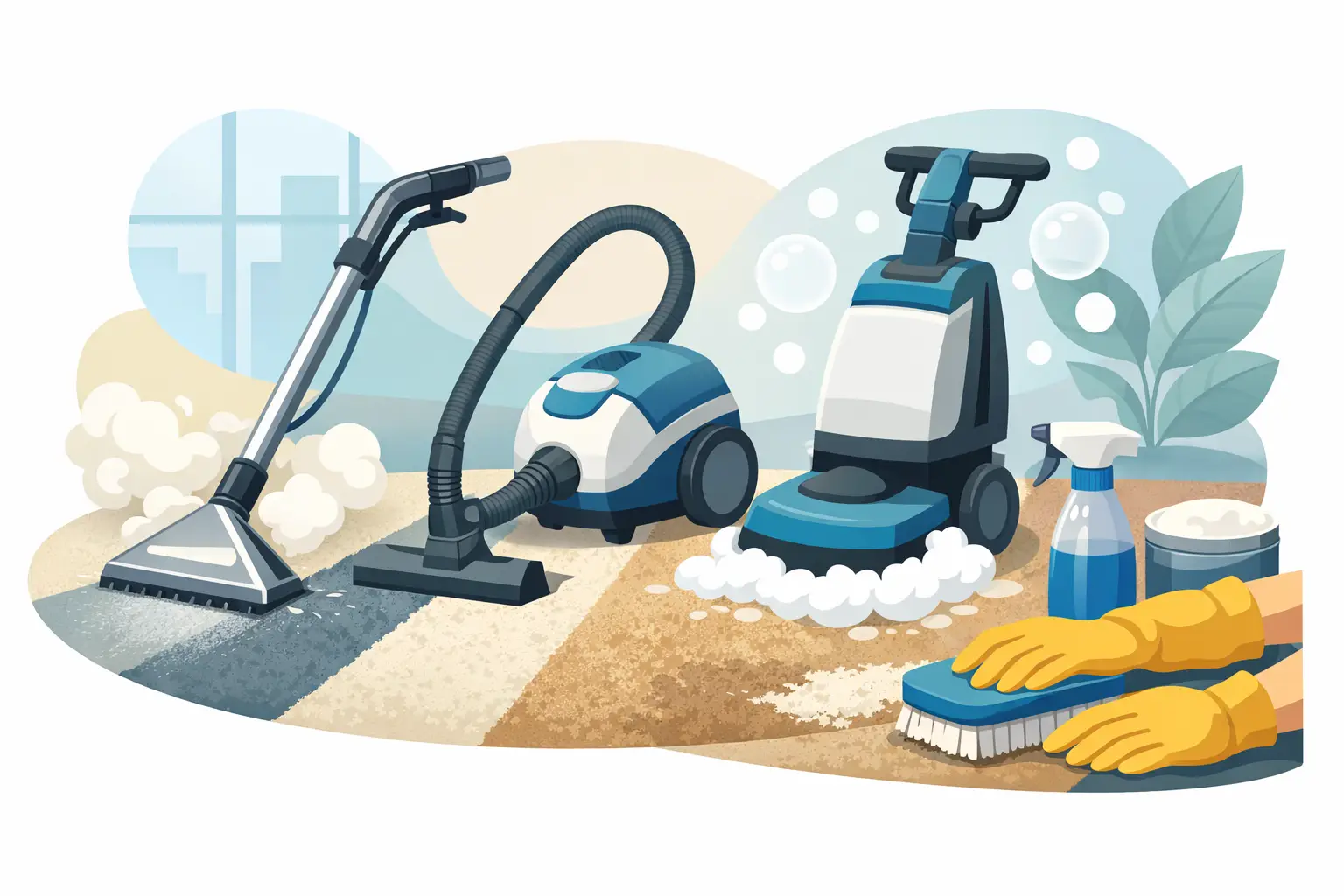
A carpet can make a room feel finished, quieter and more comfortable – until traffic lanes darken, spills settle in and the whole space starts to look tired before its time. The best cleaning methods for carpets are not always the strongest or fastest option. They are the ones that suit the fibre, the level of soiling and the result you actually need, whether that is routine upkeep, stain removal or a full refresh.
For busy households, landlords preparing for new tenants and businesses that need a polished, hygienic finish, choosing the right method matters. Clean too lightly and dirt remains deep in the pile. Clean too aggressively and you risk shrinkage, overwetting or damage to delicate fibres. A professional approach is less about guesswork and more about precision.
What makes one carpet cleaning method better than another?
The short answer is that it depends on the carpet itself. Wool, synthetic blends, loop pile and deep pile carpets all respond differently to moisture, heat and agitation. A method that works well in a busy office may not be the right choice for a wool carpet in a sitting room.
Soiling also changes the decision. Dry dust, pet hair and surface debris respond well to regular vacuuming. Oily marks, tracked-in grime and drink spills need something more targeted. Then there is the practical side. Some clients need a carpet ready to walk on quickly, while others want the deepest possible clean and can allow drying time.
That is why the best results usually come from matching the method to the setting, not from assuming there is one universal answer.
Best cleaning methods for carpets at home and at work
Vacuum cleaning – the foundation of carpet care
It sounds basic, but vacuuming is still the most important part of carpet maintenance. Much of the dirt in carpets is dry soil, grit and dust. Left in place, those particles sit in the pile and act like fine abrasive material underfoot, wearing fibres down over time.
In homes, high-traffic areas such as hallways, stairs and living rooms usually need vacuuming at least twice a week. In offices, receptions and shared spaces may need more frequent attention. A slow, methodical pass is more effective than a quick once-over, especially on cut pile carpets where dust settles deep.
Vacuuming alone is not a full cleaning method for stains or embedded grime, but it extends the life of the carpet and improves the performance of every deeper clean that follows.
Spot cleaning – best for fresh spills, not old stains
Spot cleaning is the right first response when something is spilled. Tea, coffee, wine, sauces and muddy footprints are far easier to remove when treated quickly. The key is to blot, not scrub. Scrubbing can spread the stain, rough up the fibres and push the spill deeper into the backing.
A mild carpet-safe solution is usually enough for fresh marks. Harsh chemicals can bleach colour, leave residue or set the stain further. Different stains need different treatment, which is where many DIY attempts go wrong. Protein-based spills, oily marks and tannin stains do not behave in the same way.
For isolated incidents, spot cleaning is sensible and cost-effective. For multiple stains or lingering odours, it is rarely enough on its own.
Hot water extraction – the deep clean most people mean by steam cleaning
When people talk about steam cleaning, they often mean hot water extraction. This is one of the most effective professional methods for a thorough carpet clean. A cleaning solution is applied, the fibres are agitated where needed, and hot water is then extracted along with loosened dirt, allergens and residues.
This method is particularly effective for heavily used carpets, end of tenancy cleaning, homes with pets and commercial spaces where appearance and hygiene both matter. It reaches below the surface and can lift out grime that routine cleaning leaves behind.
The trade-off is drying time. Even with efficient extraction, carpets need time to dry properly. That makes technique important. Too much water or poor extraction can leave carpets damp for too long, which risks odours or browning. Done well, though, hot water extraction delivers a noticeably fresher, cleaner finish.
Dry carpet cleaning – useful when fast turnaround matters
Dry carpet cleaning uses low-moisture compounds or encapsulation products to lift and suspend dirt, which is then vacuumed away. It is a practical option when you need minimal disruption and quicker drying, such as in offices, communal areas or busy households where rooms need to be back in use quickly.
This method can be very effective for surface soil and maintenance cleaning. It is also helpful for carpets that may not tolerate heavy moisture well. However, it may not achieve the same depth of clean as hot water extraction where there is heavy soiling, deep staining or trapped odour.
In other words, dry cleaning is often excellent for convenience and appearance, but it is not always the strongest choice for restoration-level results.
Shampooing – less common, but still useful in some cases
Carpet shampooing was once one of the most widely used methods. It involves applying a foaming detergent and mechanically agitating the fibres to loosen dirt. In some settings, it can still be useful for heavily soiled carpets that need strong agitation.
That said, traditional shampooing has become less popular because it can leave detergent residue behind if not rinsed properly. Residue attracts dirt, which means carpets may look clean initially but resoil more quickly. Modern professional methods generally offer better long-term results, especially when residue control is a priority.
For that reason, shampooing is not usually the first recommendation unless the carpet condition and cleaning objective make it appropriate.
How to choose the best carpet cleaning method
The best cleaning methods for carpets come down to a few practical questions. What is the carpet made from? How dirty is it? Are there specific stains or odours? How quickly does the space need to be used again?
For regular upkeep, routine vacuuming and prompt spot treatment are essential. For a visible build-up of soil, dullness or general wear, a professional deep clean is often the better investment. If speed matters most, low-moisture cleaning may be the right fit. If hygiene, freshness and extraction of embedded dirt are the priority, hot water extraction usually leads.
Wool carpets deserve special care. They can be sensitive to overwetting, high alkalinity and overly aggressive treatment. Likewise, patterned carpets, glued installations and older carpets may need a more measured approach. This is where trained assessment makes a real difference.
Common mistakes that shorten carpet life
One of the biggest mistakes is waiting too long. By the time a carpet looks obviously dirty, soil has often been building for months. Another is using too much product. More detergent does not mean a better clean. It often means sticky residue and faster resoiling.
Over-wetting is another common issue with DIY machines. Many hire units lack the extraction power of professional equipment, so carpets stay damp longer. This can create a musty smell and, in some cases, affect the backing. Using the wrong stain treatment is just as risky, particularly with bleach-based or highly perfumed products.
There is also the temptation to treat every carpet the same way. That rarely ends well. Material, pile type and use level all matter.
When professional carpet cleaning is the better option
There is a place for home maintenance, but some jobs need a higher standard of care. Large areas, recurring stains, pet odours, end of tenancy requirements and commercial cleaning schedules usually benefit from professional treatment. The goal is not just to make the carpet look better for a day, but to clean it properly without compromising the fibres.
Professional carpet cleaning also brings consistency. The method can be selected based on the carpet condition, and the equipment is designed to remove more soil and moisture in the same process. For landlords, letting agents and businesses, that reliability matters. Presentation, turnaround and hygiene all carry weight.
For clients across South West England, this is often the difference between a carpet that appears acceptable and one that feels genuinely refreshed. Blueglade Cleaning approaches carpet care with the same focus it brings to every service – precision, care and results you can see.
Keeping carpets cleaner for longer
A good clean goes further when supported by sensible maintenance. Entrance mats help reduce tracked-in grit. Shoes-off areas can make a visible difference in family homes. Moving furniture slightly from time to time prevents severe wear patterns, and dealing with spills straight away stops small accidents becoming permanent marks.
In commercial settings, scheduled cleaning is usually more cost-effective than waiting for carpets to deteriorate. Regular maintenance protects appearance, supports hygiene and helps avoid the need for more intensive restorative work later on.
The smartest choice is not always the most intensive treatment. It is the method that fits the carpet, the setting and the standard you expect. When carpet cleaning is handled with the right level of expertise, the whole room feels lighter, cleaner and more cared for – and that is something people notice the moment they walk in.
Leave a Reply