Category: Uncategorized

  • How to Schedule Office Cleaning Efficiently

    How to Schedule Office Cleaning Efficiently

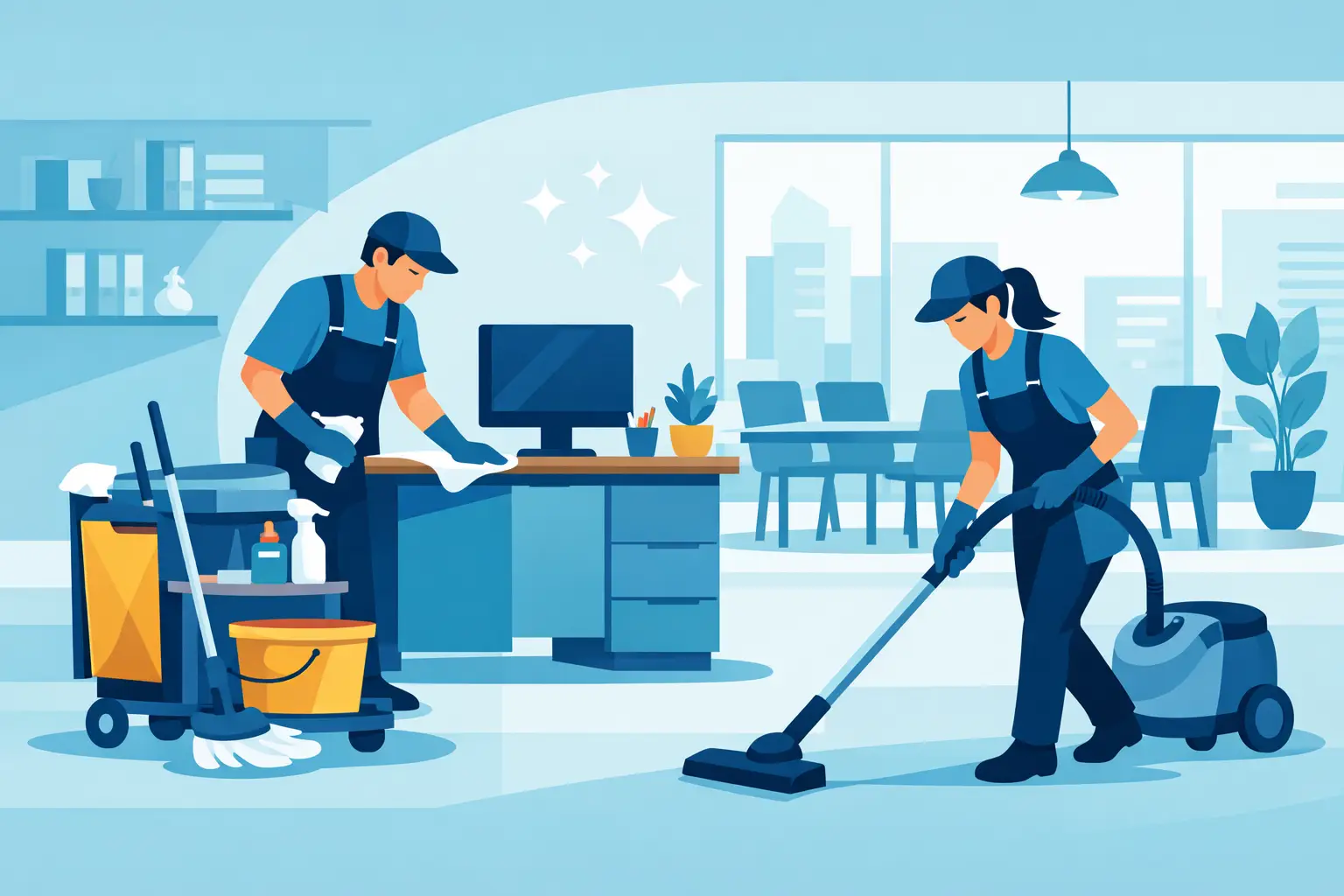
    When an office cleaning schedule is wrong, everyone feels it. Desks stay dusty, bins overflow at the worst moment, washrooms lose their shine, and staff start noticing the small details that make a workplace feel neglected. If you are working out how to schedule office cleaning efficiently, the goal is not simply to clean more often. It is to clean at the right times, in the right areas, with the right level of attention.

    A well-planned schedule protects presentation, supports hygiene, and avoids unnecessary spend. It also makes the working day smoother because cleaning becomes part of the rhythm of the office rather than an interruption.

    Why office cleaning schedules fail

    Most problems come from guessing. A business sets a daily, twice-weekly, or weekly clean based on budget alone, then hopes it will cover everything. In practice, one office may need daily washroom checks and only light desk-area attention, while another needs frequent kitchen cleaning because staff are in and out all day.

    The other common issue is treating every room the same. Meeting rooms, receptions, kitchens, washrooms, private offices, and shared workstations all have different traffic levels and different standards to maintain. If the schedule does not reflect that, cleaners either spend too long in low-priority areas or not enough time where standards matter most.

    An efficient plan starts with use, not assumptions.

    How to schedule office cleaning efficiently from the start

    The simplest way to build a strong schedule is to map the office by activity. Ask which spaces are client-facing, which are high-touch, which get dirty quickly, and which can be cleaned less often without affecting standards.

    Reception areas usually need consistent attention because they shape first impressions. Kitchens and breakout areas often need more frequent cleaning than expected because crumbs, spills, and bins build up quickly. Washrooms need dependable, thorough cleaning on a schedule that reflects real footfall. Desks and meeting rooms may need a different approach depending on whether your team hot-desks, works hybrid, or stays in fixed spaces.

    Once you understand how the office is used, you can separate tasks into daily, weekly, and periodic work. Daily cleaning often includes bins, washrooms, kitchens, floors in busy areas, and touchpoints such as handles and switches. Weekly work may include deeper floor care, more detailed dusting, and internal glass. Periodic tasks could include carpet cleaning, upholstery cleaning, high-level dusting, and window cleaning.

    This layered approach is what keeps a workplace spotless without overloading the schedule.

    Match cleaning times to the way your team works

    The best cleaning schedule is one that supports productivity rather than competing with it. For many offices, that means early morning or evening cleaning. These times reduce disruption, allow cleaners to move freely, and help ensure the space is fresh before the next working day begins.

    That said, out-of-hours cleaning is not always the only answer. Some workplaces benefit from a split schedule. An early clean may cover the main office, while a short daytime visit keeps washrooms, kitchens, or reception areas presentable. This can work particularly well in busy offices with high visitor numbers or long opening hours.

    It depends on your setup. If confidentiality is a concern, access arrangements and cleaning windows may need tighter control. If staff work flexibly, it may be easier to clean on lower-occupancy days. The efficient option is the one that delivers standards consistently without creating friction for your team.

    Build around priorities, not just frequency

    Cleaning more often does not always mean cleaning better. A smart schedule gives more attention to areas that affect hygiene, staff wellbeing, and customer perception.

    For example, washrooms and kitchens are non-negotiable priority zones because they influence both cleanliness and comfort. Reception and meeting areas matter because clients, visitors, and employees notice them immediately. Floors near entrances can deteriorate fast in wet weather, especially in busy locations across Devon, Somerset, or the wider South West where foot traffic can bring in mud and moisture.

    By contrast, archive rooms, storage cupboards, or lightly used private offices may not need the same frequency. This is where efficiency lives. You protect standards in the spaces that matter most and avoid paying for unnecessary repetition elsewhere.

    High-priority areas to review first

    If you are refining a schedule, begin with the areas most likely to create complaints or hygiene concerns. These are usually washrooms, kitchen areas, entrance flooring, communal touchpoints, and visitor-facing spaces. Once those are covered properly, you can fine-tune the rest of the office.

    This is also where professional input helps. An experienced cleaning provider can often spot schedule gaps quickly because they understand how different commercial spaces behave over time.

    Choose the right task level for each visit

    Not every cleaning visit should carry the same workload. That is one of the simplest ways to improve efficiency and control cost.

    A regular maintenance clean keeps the office tidy, hygienic, and presentable. That usually covers the essentials and supports day-to-day standards. A deeper scheduled clean deals with build-up that routine visits may not fully resolve, such as detailed skirting, deeper washroom descaling, appliance attention, or carpet refresh work.

    When these two levels are combined properly, the office stays cleaner for longer. If everything is left to the routine clean, standards gradually slip. If every visit is treated as a deep clean, time and budget are wasted.

    The right balance will depend on occupancy, layout, and industry. A small professional office may need a lighter regular schedule with periodic deeper work, while a larger workplace with shared facilities may need stronger daily coverage.

    Make your schedule flexible enough to handle real life

    An efficient office cleaning plan should be structured, but not rigid. Staff absences, seasonal weather, visitor events, flu season, recruitment drives, and office moves all affect what the space needs.

    That is why the best schedules include room for adjustment. You may need extra attention after a busy week of client meetings, a one-off deep clean after refurbishment work, or additional kitchen support during peak office occupancy. Flexibility matters because office use changes over time.

    This does not mean changing the whole plan every week. It means reviewing it often enough to keep it accurate. If your office has shifted to hybrid working, your old schedule may now be over-serving some areas and under-serving others. A quarterly review is often enough to keep standards aligned with reality.

    Communication matters more than most offices expect

    Even the most carefully designed cleaning schedule can disappoint if expectations are unclear. Office managers and cleaning teams should agree what is included, when it happens, how access works, and which tasks fall outside the standard visit.

    This avoids the usual frustrations. One side assumes internal glass is included every week, the other has planned it monthly. One expects consumables to be checked each visit, the other has not been asked. Small misunderstandings quickly become service issues.

    A clear scope keeps everything simple. It also makes quality easier to monitor because everyone is working to the same standard. For businesses that want a polished, dependable workplace, clarity is part of the service, not an extra.

    Signs your current schedule needs attention

    If you are unsure whether your cleaning plan is working, look for patterns rather than one-off issues. Complaints about washrooms, overflowing bins before the end of the day, tired-looking entrances, or kitchens that never quite feel clean are all signs the schedule may be off.

    Another sign is when cleaners seem rushed but standards are still inconsistent. That usually points to a mismatch between the time booked and the actual requirements of the space.

    When to bring in a professional cleaning partner

    Some businesses manage cleaning schedules internally for a while, then realise the real challenge is not planning on paper. It is keeping quality consistent week after week. That is where a professional service becomes valuable.

    A trusted provider will help assess footfall, identify pressure points, recommend suitable frequencies, and build a tailored plan that reflects your premises rather than a generic template. That can be especially useful for growing offices, multi-use workplaces, or businesses that need reliable presentation for clients and visitors.

    For companies that want convenience as well as high standards, outsourcing also removes the burden of rota planning, cover arrangements, product supply, and ongoing oversight. Blueglade Cleaning approaches office cleaning in exactly this way – as a tailored service built around precision, reliability, and the day-to-day needs of the workplace.

    The most efficient office cleaning schedule is the one that fits your people, your premises, and your standards without creating extra work for you. Get that balance right, and cleaning stops being something you chase. It simply becomes part of a workplace that feels cared for, healthy, and ready for business.

  • What Is Sparkle Cleaning and When Is It Needed?

    What Is Sparkle Cleaning and When Is It Needed?

    You walk into a newly built or newly renovated property expecting that fresh, finished feeling – and instead you spot dust on skirting boards, adhesive on glass, paint flecks on floors and a fine film settling over every surface. That is usually the moment people ask, what is sparkle cleaning, and do I need it before handover or move-in?

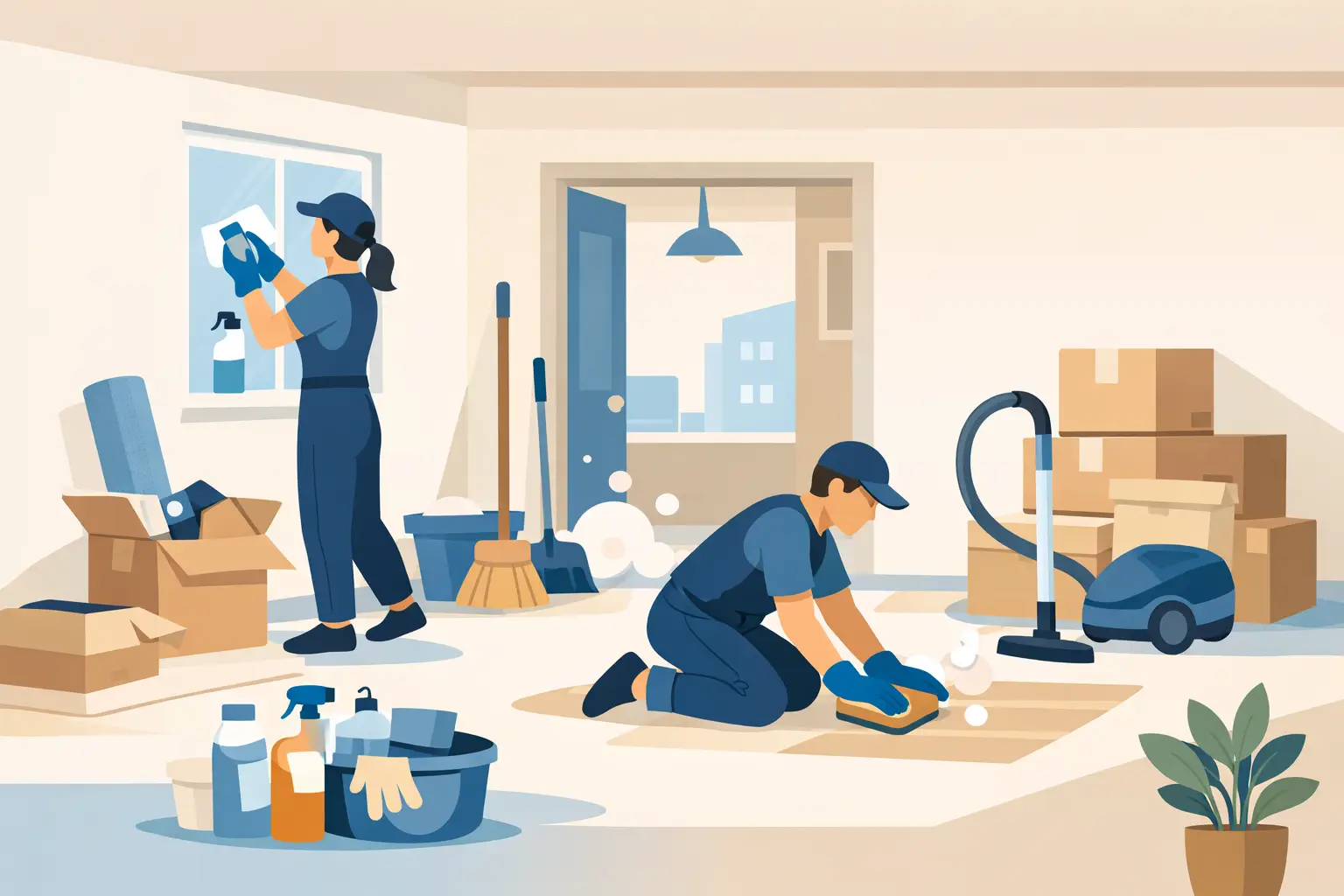
    Sparkle cleaning is the final stage of cleaning after construction, renovation or fitting works. Its job is to remove the light but stubborn residue left behind once the major building mess has gone. Think dust in corners, smears on windows, marks on frames, grout haze, labels, stickers and the fine debris that stops a space looking complete. It is not the same as a standard clean, and it is not quite the same as the first rough post-build clean either. It is the finishing touch that brings a property up to a presentable, occupancy-ready standard.

    For homeowners, landlords, developers and commercial teams, this stage matters more than people expect. A room can be fully built yet still not feel finished until the sparkle clean is done properly. Presentation, hygiene and first impressions all depend on it.

    What is sparkle cleaning in practical terms?

    If you picture post-construction cleaning as a process, sparkle cleaning sits right at the end. Earlier cleaning stages deal with heavier waste, larger dust build-up and obvious construction debris. Sparkle cleaning focuses on detail. It is the careful polishing, wiping, vacuuming and finishing work that makes the space look clean rather than merely cleared.

    This usually includes cleaning internal glass, wiping down doors and frames, removing surface dust from walls and ledges, cleaning skirting boards, switches and sockets, polishing sanitaryware, vacuuming and mopping floors, and checking the little details that stand out during viewings, handovers or first use. In kitchens and bathrooms, it often means removing construction dust from cupboards, fittings and fixtures so everything feels ready from the moment the keys change hands.

    The exact scope depends on the property and the stage of the project. A newly built home, a refurbished office and a retail fit-out all create different types of residue. That is why sparkle cleaning works best when it is tailored, rather than treated as a one-size-fits-all service.

    How sparkle cleaning differs from regular cleaning

    This is where confusion often starts. A regular domestic or office clean maintains an already lived-in or already operational space. Sparkle cleaning prepares a space that has just been worked on.

    In a standard clean, the cleaner is usually dealing with everyday dust, fingerprints, kitchen use, bathroom use and general traffic. In sparkle cleaning, the challenge is the residue of building or decorating work. That may include plaster dust, silicone smears, paint spots, stickers, grout haze and fine particles that settle repeatedly even after the site appears tidy.

    There is also a different level of inspection involved. Sparkle cleaning is often carried out with handover in mind, so the finish matters. Missed marks on glass, dusty corners or debris in cupboards are more noticeable because the space is meant to look complete. In that sense, it is closer to a finishing service than a routine cleaning visit.

    When is sparkle cleaning needed?

    The most common time is after building work, renovations or interior fit-outs have finished. That includes extensions, kitchen refits, bathroom refurbishments, loft conversions, shop fittings, office refurbishments and new-build completions.

    It is also common before tenant move-in, property staging, final inspections or client handover. A developer may need a property looking immaculate for viewings. A landlord may want a flat fully presentable before new tenants arrive. An office manager may need a refurbished workspace clean, polished and ready for staff. In all these cases, the practical aim is the same – remove the last traces of work so the space feels finished.

    Timing does matter. If sparkle cleaning is booked too early, ongoing trades can undo the result. If it is left too late, handovers become more stressful and first impressions can suffer. Usually, it should happen once the dusty and messy works are complete, the snagging is mostly finished and there is no further heavy traffic expected.

    What is included in a sparkle clean?

    A professional sparkle clean is detail-led, but not every property needs the same checklist. Most services cover a combination of surface cleaning, floor care and finishing touches throughout the property.

    In living areas and bedrooms, that often means dusting all accessible surfaces, cleaning skirting boards, wiping door frames, internal doors, handles, sockets and switches, vacuuming edges and corners, and cleaning internal windows and sills. In kitchens, cupboards may be cleaned inside and out, worktops polished, tiles wiped, sinks cleaned and appliance exteriors detailed. In bathrooms, sanitary fittings, screens, mirrors, taps and tiled surfaces are usually brought up to a polished finish.

    Floors are a major part of the process because they collect the final fallout from every other trade. Hard floors may need repeated vacuuming and mopping to lift fine dust properly. Glass also tends to need extra attention, especially where stickers, smears or building residue remain.

    Some jobs include extras such as carpet cleaning, upholstery cleaning, external window cleaning or waste removal, but these are not always part of a standard sparkle clean. It depends on the condition of the site and what the client needs ready for day one.

    Why professional sparkle cleaning is worth it

    On paper, sparkle cleaning can sound straightforward. In reality, post-build residue is time-consuming and easy to underestimate. Fine construction dust travels into vents, settles on high and low surfaces and often reappears after a quick wipe. Paint specks and adhesive marks need the right methods. Delicate finishes need careful handling.

    That is why many clients hand this stage to trained professionals. It saves time, reduces the risk of damage and gives the property a level of finish that matches the investment already made in the work. For construction firms and property managers, it also helps projects move smoothly from completion to occupancy. For homeowners, it removes one more stressful task at the end of an already disruptive project.

    A professional team will also know when a site is ready and when it is not. If there is still active snagging or ongoing dust from unfinished work, a reputable cleaner should say so. That honesty matters because the goal is not to rush through a checklist. It is to leave the space genuinely ready.

    Trade-offs and expectations to keep in mind

    Not every post-build clean is automatically a full sparkle clean, and not every sparkle clean can fix underlying site issues. If there is heavy debris, leftover materials or major paint splatter throughout, the job may need an earlier builders clean first. If snagging work continues after the clean, some areas may need touching up again before handover.

    It also depends on the finish required. A private homeowner may simply want the property comfortable and clean enough to move back into. A developer preparing for viewings may need a more presentation-led finish. A commercial client may prioritise hygiene, floors and washrooms so staff can return quickly. The cleaning standard can be high in all cases, but the focus shifts.

    That is why clear communication is so important. The best results come when the cleaner understands the property type, the work carried out, the deadline and the expected finish.

    Who usually books sparkle cleaning?

    Sparkle cleaning is used by more people than the name suggests. Homeowners book it after renovations when they want the house feeling settled again. Landlords and letting agents book it to prepare properties between works and new tenancies. Developers use it before handover and marketing. Office managers and business owners rely on it after refurbishments so their premises look professional from the first day back.

    In busy property and construction schedules across South-West England, that final clean often becomes the difference between a space that is technically finished and one that is truly ready.

    Choosing the right sparkle cleaning service

    The safest approach is to choose a cleaning company that understands post-construction environments rather than one that only offers routine domestic cleaning. Ask what stage of cleaning they provide, what is included, whether they bring their own equipment and how they handle delicate surfaces and stubborn residue.

    It is also sensible to ask about insurance, team training and flexibility around project schedules. A strong service should be precise, reliable and realistic about timing. If the property needs a phased clean or a return visit after final snagging, that should be discussed upfront.

    For clients who want a polished result without the last-minute pressure, this is where an experienced provider such as Blueglade Cleaning can add real value. The right team does more than clean – they help turn a worked-on property into a space that feels complete.

    Sparkle cleaning is, at heart, the stage that gives a property its finished standard. When every surface is clear, polished and ready to be used, the whole space changes. It stops looking like a project and starts feeling like a place people can step into with confidence.

  • Window Cleaning for Business Premises

    Window Cleaning for Business Premises

    First impressions often happen before a customer reaches reception. They notice the frontage, the glass, the way the building catches the light, and whether the premises feel cared for. That is why window cleaning for business premises is not a finishing touch. It is part of how your business presents its standards, protects its environment, and keeps the day-to-day workplace looking professional.

    Clean glass changes more than appearance. It improves natural light, helps staff feel more comfortable in the space, and supports a better experience for clients, visitors, and tenants. For offices, shops, clinics, shared buildings, and managed properties, regular window cleaning is one of those services that quietly shapes how the whole premises are perceived.

    Why window cleaning for business premises matters

    Windows collect more than rain marks. Traffic film, dust, pollen, salt, bird mess, handprints, and general urban grime build up quickly, especially around entrances and street-facing elevations. Left too long, that build-up can dull glass, stain frames, and create a neglected look that affects the wider image of the property.

    For customer-facing businesses, this is obvious. A shopfront with smeared or dusty windows can make even a well-run business look overlooked. In offices and commercial buildings, the effect is subtler but still real. Cleaner windows brighten interiors, create a sharper impression for meetings, and support a workspace that feels maintained rather than merely occupied.

    There is also a practical side. Regular attention can help spot issues early, such as damaged seals, cracked panes, failing frames, or blocked sills. Cleaning is not a substitute for maintenance, but it does make developing problems easier to catch before they become more costly.

    The business case is stronger than it looks

    Commercial cleaning decisions are rarely based on appearance alone. Budget, timing, disruption, and reliability all matter. Window cleaning earns its place because it delivers visible results without requiring major downtime, and because it supports several priorities at once.

    A brighter working environment can improve how a space feels throughout the day. More natural light tends to make offices, receptions, and communal areas feel cleaner and more open. For businesses that host clients on site, that difference is immediate. For landlords and property managers, it helps keep shared spaces presentable between wider maintenance works.

    It also supports consistency. If you invest in regular office cleaning, floor care, or external maintenance, neglected windows can undermine all of it. A polished building exterior with dirty glass never quite looks finished.

    How often should commercial windows be cleaned?

    It depends on the type of premises, the location, and how visible the glass is to customers or visitors. A high street unit with heavy footfall and roadside exposure may need cleaning far more often than a low-traffic office in a quieter setting.

    Ground-floor retail and hospitality premises often benefit from weekly or fortnightly cleaning because marks show quickly and presentation is part of the service experience. Offices may suit a four-weekly or six-weekly schedule, particularly where windows are less exposed. Medical, education, and managed multi-occupancy settings may need a tailored frequency based on compliance expectations, access, and public use.

    Seasonality matters too. Pollen in spring, dust in dry weather, and increased grime during wetter months can all change how quickly glass loses its finish. The right schedule is not always the cheapest one on paper. It is the one that keeps standards consistent without over-servicing the site.

    What professional window cleaning should include

    A reliable commercial service should go beyond a quick pass over the glass. The best results come from a methodical approach that considers the full window area, access requirements, and the operational needs of the building.

    That usually means cleaning the glass properly, but also paying attention to frames, sills, edges, and build-up around openings where dirt tends to gather. On some sites, purified water systems are the right choice because they allow external windows to be cleaned efficiently and left to dry to a clear finish. On others, especially internal glass or detailed entrance areas, traditional techniques may be more suitable.

    This is where experience matters. Different premises require different approaches. A retail frontage has different priorities from a business park office, and both differ from a post-construction handover or a managed residential block with commercial common areas.

    Safety, access, and why method matters

    Commercial window cleaning is not simply domestic cleaning on a larger scale. Access, risk assessment, working hours, and insurance all carry more weight. Businesses need a provider that understands safe working practices and can plan around the realities of the site.

    For some buildings, lower-level access is straightforward. For others, upper-storey windows, courtyards, signage, canopies, restricted access points, or public-facing entrances make the job more complex. In those cases, the quality of the planning matters as much as the cleaning itself.

    A professional team should be able to assess how to complete the work safely and with minimal disruption. That may include early morning appointments, out-of-hours scheduling, or coordinated visits that fit around staff and customers. Convenience is part of the service, not an extra.

    Choosing a provider for window cleaning for business premises

    Price matters, but it should not be the only measure. The right provider is dependable, properly insured, clear about what is included, and consistent in the standard delivered over time. One excellent visit is useful. A service you can rely on month after month is far more valuable.

    It is worth looking for a company that understands wider commercial cleaning standards, not just glass. That usually translates into better communication, stronger site awareness, and a more polished service experience. If your premises also require office cleaning, post-build cleaning, or specialist support, working with one trusted partner can simplify scheduling and accountability.

    Ask practical questions. How is access handled? Are frames and sills included? What happens in poor weather? Can the service be scheduled around opening hours? Is the team trained and insured? Clear answers tell you a lot about how the work will be managed.

    Different premises, different priorities

    Not every business needs the same window cleaning plan. An office manager may be focused on maintaining a bright, professional workspace with minimal interruption to the day. A retailer is more likely to care about daily presentation and entrance glass that always looks customer-ready. A landlord or property manager may need a dependable recurring service across multiple sites, with timing and reporting that make management easier.

    That is why tailored planning matters. A generic schedule can leave one property over-serviced and another falling short. The stronger approach is to match the service to the building, the level of exposure, and the standards your visitors or occupants expect.

    In busy areas across South-West England, where weather and roadside grime can quickly affect exterior glass, that flexibility becomes even more useful. A service should adapt to the property rather than force the property into a one-size-fits-all plan.

    The value of a polished, dependable service

    Premium service does not mean unnecessary extras. It means precision, reliability, and care. Your cleaning provider should arrive when expected, work safely, respect the premises, and leave the glass with a finish that reflects well on your business.

    That is especially important for organisations that cannot afford uncertainty. If you manage staff, clients, tenants, or public-facing operations, you need contractors who reduce pressure rather than add to it. A well-run window cleaning service should feel straightforward from booking to completion.

    For many businesses, that is the real benefit. Not just cleaner windows, but one less maintenance task to chase, one less detail to worry about, and one more part of the premises kept to a high standard without fuss. That is the kind of dependable support Blueglade Cleaning is built to provide.

    When your windows are clean, the whole building feels sharper, lighter, and better cared for. It is a simple service with a visible impact – and for business premises, that impact reaches further than glass.

  • Spring Cleaning for Working Professionals

    Spring Cleaning for Working Professionals

    When your week is already booked from morning meetings to late emails, spring cleaning for working professionals can feel less like a fresh start and more like another job. The problem is not motivation. It is capacity. Most busy households are not struggling because they do not care about cleanliness. They are struggling because the usual advice assumes you have an entire free weekend, plenty of energy, and a cupboard full of cleaning supplies.

    A better approach is to treat spring cleaning as a reset, not a marathon. The goal is not to scrub every inch of your home in one heroic burst. It is to restore order, hygiene, and calm in the spaces that affect daily life most. For working professionals, that means focusing on what improves the way your home looks, feels, and functions from Monday to Friday.

    Why spring cleaning for working professionals needs a different plan

    If you work full-time, commute, manage school runs, or split your time between home and office, cleaning competes with everything else. That is why overly ambitious checklists often fail. They look satisfying on paper, but they ignore the reality of modern schedules.

    The most effective spring clean starts with three priorities: visible impact, hygiene, and time efficiency. In practical terms, that means beginning with the rooms you use every day, dealing with dust and grime that have built up over winter, and avoiding the trap of spending two hours organising a single drawer while the kitchen and bathroom still need attention.

    There is also a trade-off worth recognising. A perfectly detailed clean of the entire property might sound ideal, but for many professionals, a high-standard clean of the key living areas delivers more value. If your time is limited, precision matters more than perfectionism.

    Start with the rooms that shape your week

    A spring clean should make daily routines easier. That is why kitchens, bathrooms, bedrooms, and living spaces deserve attention before lofts, garages, or spare rooms.

    In the kitchen, winter tends to leave behind grease, crumbs, neglected cupboards, and appliances that have had heavy use. A proper reset includes wiping cabinet fronts, degreasing splashbacks, cleaning behind small appliances, tackling the oven, and checking the fridge for expired items. This is one of the clearest examples of where a surface tidy and a true clean are not the same thing.

    Bathrooms need a similar distinction. If you are keeping up with basic weekly cleaning, the room may look acceptable, but limescale, soap residue, grout discolouration, and overlooked corners can still build up quietly. A spring clean here is about restoring freshness and hygiene, especially around taps, shower screens, tile lines, extractor fans, and flooring edges.

    Bedrooms often get neglected because they are private spaces, but they have a strong effect on comfort and rest. Dust on skirting boards, under-bed build-up, and tired soft furnishings can all make the room feel heavier than it should. Rotating the mattress, vacuuming thoroughly, and refreshing upholstery or carpets can change the atmosphere more than buying new décor ever will.

    Living rooms and home offices deserve equal attention. These are the spaces where professional and personal life now overlap for many people. Dust on blinds, fingerprints on glass, clutter around cables, and tired carpets can make the room feel chaotic, even when it is technically tidy. If you work from home part of the week, this reset is not cosmetic. It supports concentration.

    What to clean yourself and what to hand over

    Not every part of a spring clean demands professional support, but not every part is worth doing yourself either. The right balance depends on time, property size, and the condition of the space.

    Straightforward tasks such as sorting wardrobes, clearing paperwork, and putting unwanted items aside for donation are often easier to manage personally. They involve decisions rather than specialist cleaning, and many people prefer to handle them at their own pace.

    The more labour-intensive jobs are different. Oven cleaning, carpet cleaning, upholstery cleaning, internal window cleaning, post-renovation dust removal, and deep kitchen or bathroom work can take far longer than expected. They also tend to produce the kind of visible result people actually associate with a proper spring clean.

    This is where outsourcing becomes less of a luxury and more of a practical choice. If giving up half your Saturday still leaves you with streaked glass, a partially cleaned oven, and tired carpets, there is a clear cost to doing everything yourself. A trained team can often complete in hours what would otherwise absorb your whole weekend.

    A realistic way to schedule your spring clean

    The biggest mistake busy professionals make is waiting for the perfect day to tackle the entire house. That day rarely appears. A smarter method is to break the clean into stages and match each stage to the time you genuinely have available.

    One approach is to divide the work across two weeks. In the first week, focus on decluttering and preparing the property. That means clearing surfaces, emptying obvious rubbish, sorting laundry piles, and putting misplaced items back where they belong. In the second week, the actual cleaning becomes faster and more effective because the spaces are accessible.

    Another option is to pair your spring clean with booked support. You handle the personal sorting in advance, then bring in professionals for the deep clean itself. This works especially well for larger homes, busy family households, and rental properties that need to look consistently well cared for.

    Timing matters too. If your calendar is packed, booking cleaning support for a weekday can be more efficient than saving everything for a Saturday. Many professionals in Exeter, Plymouth, Taunton, and across the South West find that a weekday appointment allows them to return to a refreshed home without sacrificing downtime.

    The areas most people forget

    Even in well-kept homes, certain spots are routinely missed. These are often the details that affect the overall sense of cleanliness most because they collect dust, trap odours, or quietly dull the finish of a room.

    Skirting boards, door frames, light switches, extractor covers, radiators, and behind furniture are common examples. So are curtain tops, lampshades, and the edges of carpets where vacuum cleaners do not always reach properly. In kitchens, handles, kickboards, and the spaces around bins deserve closer attention. In bathrooms, seals, grout, and the base of the toilet often need more than a quick wipe.

    Soft furnishings are another blind spot. Carpets and upholstery hold dust, allergens, and everyday marks long after the rest of the room has been tidied. If a room still feels tired after surface cleaning, these are often the reason.

    Why a clean home matters when your schedule is full

    For busy professionals, cleaning is not only about appearances. It affects how your home supports you. A well-maintained space feels easier to manage, more comfortable to return to, and less mentally noisy.

    There is also a practical side. Dirt that is left too long becomes harder to remove. Grease settles, limescale thickens, stains set, and neglected flooring wears faster. Spring cleaning helps protect the condition of your home and furnishings, which matters whether you own your property, rent a flat, or manage a portfolio.

    For households with children, pets, or regular guests, the value is even clearer. Cleaner surfaces, fresher fabrics, and reduced dust all contribute to a healthier environment. That does not mean every home needs intensive treatment every month. It means periodic deep cleaning prevents problems that routine upkeep alone cannot fully address.

    When professional cleaning makes the most sense

    If your home has not had a proper reset in some time, if you are preparing for visitors, or if work commitments leave little room for deeper cleaning, bringing in professional support is often the most efficient route. The same applies after building work, before a tenancy change, or when carpets, ovens, and upholstery all need attention at once.

    A quality service should feel dependable from start to finish – clear communication, flexible scheduling, careful workmanship, and results that justify the investment. For many clients, the biggest benefit is not simply a spotless finish. It is the relief of handing over a time-consuming job and knowing it will be done properly.

    Blueglade Cleaning supports busy households and workplaces with tailored cleaning services that fit around real schedules, not ideal ones. That matters because convenience only works when it is backed by consistent standards and genuine care.

    Spring cleaning does not need to take over your diary to be worthwhile. If you focus on the spaces that matter most, make sensible choices about what to do yourself, and ask for expert help where it saves time and lifts the result, the whole process becomes far more manageable. A cleaner home should give you more breathing room, not less.

  • How Often Should Carpets Be Cleaned?

    How Often Should Carpets Be Cleaned?

    A carpet can look fine on the surface and still hold far more dust, grit and allergens than most people realise. If you have ever vacuumed regularly but the room still feels tired, this is usually the point where the question comes up – how often should carpets be cleaned?

    The honest answer is that there is no single timetable for every home or workplace. A quiet guest room does not need the same attention as a family lounge, and a small office with light footfall will age differently from a busy reception area. What matters is matching the cleaning frequency to how the space is actually used, not waiting until the carpet looks obviously dirty.

    How often should carpets be cleaned in most homes?

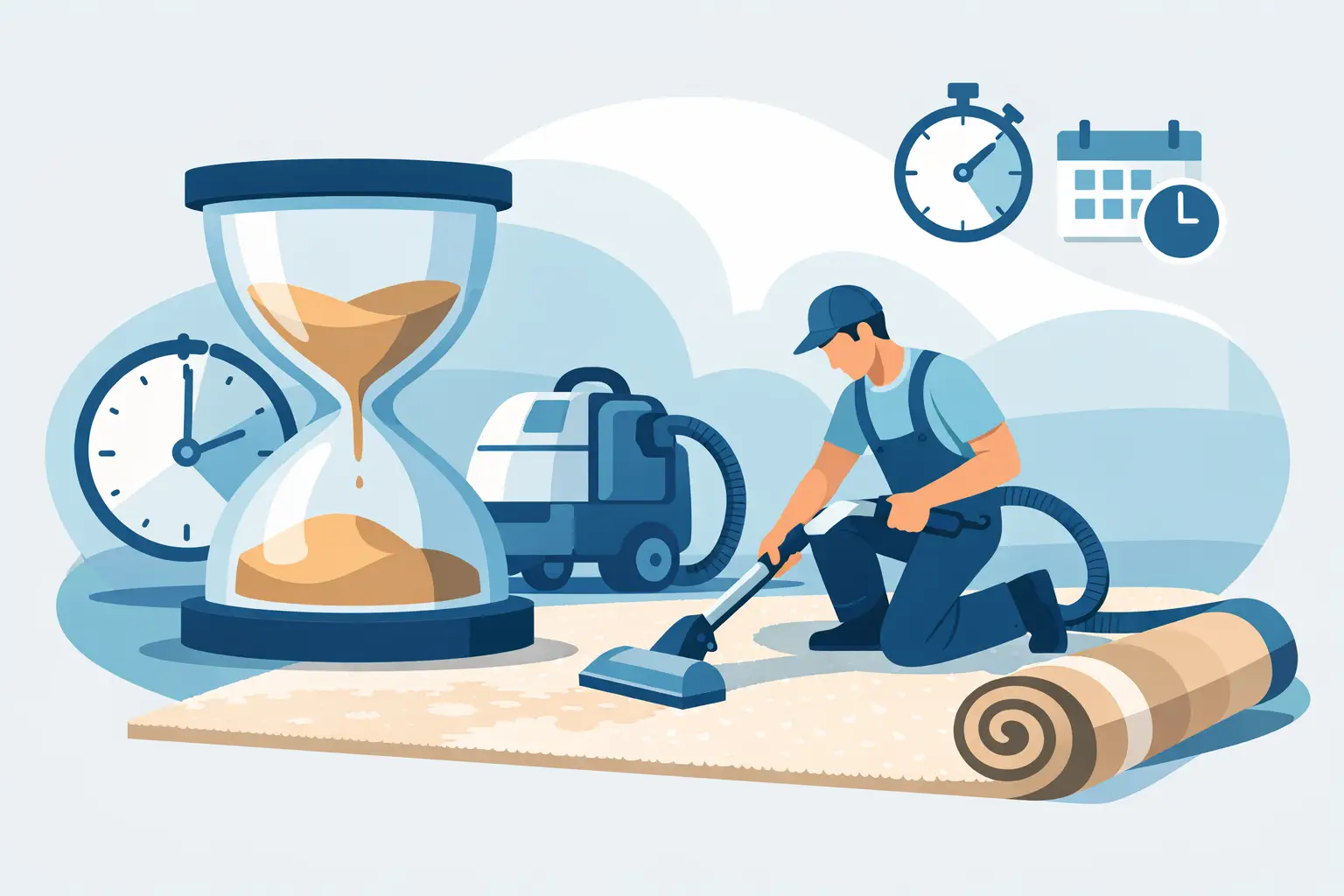
    For most households, professional carpet cleaning every 12 months is a sensible baseline. That is often enough to lift embedded soil, refresh the fibres and help the carpet last longer without turning maintenance into a constant job.

    If your home is busier than average, every 6 to 9 months is usually a better fit. This includes homes with children, pets, frequent visitors or carpeted areas that take daily wear, such as stairs, hallways and living rooms. Dirt does not only sit on top of the pile. It works its way down into the fibres, where it can dull the appearance and gradually increase wear.

    For low-traffic spaces, such as spare bedrooms or formal rooms used only occasionally, professional cleaning every 12 to 18 months may be enough. The key is not to over-clean for the sake of it, but not to leave it so long that stains set, odours develop or the carpet starts to lose its original finish.

    The biggest factors that change the schedule

    The most reliable cleaning plan is based on use, not guesswork. Foot traffic is the first factor. A carpet in a main entrance or family room collects more grit and moisture than one in a room used once a week. That grit acts almost like sandpaper underfoot, especially if it is left to build up.

    Pets make a noticeable difference as well. Even clean, well-groomed pets bring in oils, hair, outdoor debris and the occasional accident. In pet-friendly homes, carpets usually benefit from professional cleaning every 6 to 9 months, and sometimes more often if odours are lingering.

    Children can have a similar effect, though in a different way. Spillages, food crumbs, craft materials and muddy shoes create a pattern of repeated small messes that home vacuuming alone does not fully deal with. Families often find that waiting a full year is simply too long for the main living areas.

    Allergies are another reason to clean more often. Carpets can trap dust, pollen and other particles, which is helpful up to a point, but only if that build-up is removed properly. For households where someone suffers with allergies or asthma, cleaning every 6 months can help support a fresher indoor environment.

    Then there is the carpet itself. Pale carpets, deep pile finishes and softer fibres often show marks sooner and hold onto dirt more easily than darker or tighter weaves. A premium carpet is worth protecting with a more consistent cleaning schedule because replacement costs are much higher than maintenance costs.

    How often should carpets be cleaned in rented properties?

    In rental homes, timing matters as much as frequency. For tenants, a professional carpet clean is often most useful at the end of a tenancy if the carpets have picked up marks, odours or visible wear during the let. It can make a clear difference to presentation and help leave the property in a better condition for inspection.

    For landlords and letting agents, carpets should ideally be assessed between tenancies rather than cleaned automatically on every changeover. A lightly used carpet in a well-kept property may need a refresh only where needed. A heavily used carpet in a student let or family rental may need a full clean each time to bring the property back to a presentable standard.

    If the same tenants remain in place for several years, an annual or 12 to 18 month clean is often a practical middle ground. It protects the carpet, supports hygiene and helps prevent gradual deterioration that becomes expensive to reverse later.

    Carpet cleaning frequency for offices and commercial spaces

    Commercial carpets usually need more attention than domestic ones because footfall is higher and appearance matters every day. In many offices, a professional clean every 6 to 12 months works well, with spot treatment and regular maintenance in between.

    Client-facing areas such as receptions, meeting rooms and corridors often need cleaning at the more frequent end of that range. These are the spaces that shape first impressions, and dull or stained flooring can bring down the feel of the whole workplace.

    In very busy settings, such as shared buildings, managed properties or spaces with regular public access, quarterly maintenance may be the better choice. That does not always mean a full deep clean every time. It may mean targeted cleaning in the areas that wear fastest, which is often the most cost-effective route.

    For businesses, there is a clear trade-off. Clean too rarely and carpets look tired, hold odours and wear out sooner. Clean thoughtfully and on schedule, and the flooring keeps its professional appearance for longer while creating a cleaner environment for staff and visitors.

    Signs you should not wait for the next annual clean

    A fixed schedule is helpful, but some carpets tell you they need attention earlier. If the colour looks uneven in walkways, if the fibres feel flattened, or if the room smells less fresh after vacuuming, it is usually time.

    Stains that keep reappearing are another sign. What looks like a spot on the surface may actually be residue or soiling deeper in the carpet wicking back up. Professional treatment can deal with the source rather than just the top layer.

    You should also move faster after spills, pet accidents or water exposure. Waiting too long can make odours harder to remove and increase the risk of permanent staining. Speed matters, but so does using the right method. Over-wetting or scrubbing too aggressively can make some issues worse.

    Why regular professional cleaning makes a difference

    Vacuuming is essential, but it is only one part of proper carpet care. It removes loose surface dust and debris, which is important for day-to-day presentation, yet it does not fully remove the compacted soil and residues that settle deeper into the fibres.

    Professional carpet cleaning is designed to lift what routine cleaning leaves behind. Done correctly, it improves appearance, supports hygiene and helps preserve the pile. This is especially valuable in homes and workplaces where carpets are a visible part of the overall standard.

    There is also a long-term value point here. Replacing carpet is disruptive and expensive. Keeping it clean at the right intervals is one of the simplest ways to protect that investment. For many clients, that is the real benefit – not just a carpet that looks better this week, but one that holds up better over time.

    A practical schedule to follow

    If you want a simple rule of thumb, most homes should plan for professional carpet cleaning once a year. Busier households, pet owners and allergy-sensitive homes should consider every 6 to 9 months. Light-use rooms can often stretch to 12 to 18 months.

    For rental properties, check the carpet at end of tenancy or at regular intervals during longer lets. For offices and commercial settings, 6 to 12 months is a sensible starting point, with more frequent cleaning for entrances, shared spaces and client-facing areas.

    A tailored schedule will always outperform a generic one. That is why professional assessment matters. A reliable cleaning partner can look at the fibre type, room use, condition and level of soiling, then recommend a plan that keeps standards high without overservicing the space.

    Blueglade Cleaning works with homeowners, landlords and businesses across the South West who want that balance – precise care, dependable results and a cleaner space that feels as good as it looks.

    If you are unsure when your carpets were last cleaned, that is often the clearest sign to stop putting it off. A well-timed professional clean brings back freshness, protects the finish and makes the whole room feel properly cared for.

  • How to Maintain Office Hygiene Properly

    How to Maintain Office Hygiene Properly

    A desk can look tidy and still be carrying yesterday’s coffee rings, fingerprints on shared equipment and enough dust to trigger sneezing by mid-morning. That is usually where office standards start to slip. If you are wondering how to maintain office hygiene without turning the workplace into a constant cleaning zone, the answer is consistency, not overreaction.

    A hygienic office is not only about appearances. It affects staff wellbeing, client confidence and the general ease of working through the day. When bins overflow, kitchens are neglected and washrooms are left to chance, the whole space starts to feel less professional. By contrast, a clean and well-managed office supports focus, reduces avoidable illness and makes a better impression on everyone who walks through the door.

    How to maintain office hygiene with a realistic routine

    The most effective hygiene standards are built around routines people can actually follow. Many offices make the mistake of treating cleaning as a once-a-day task, usually after everyone has gone home. That helps with presentation, but hygiene requires more than a single reset at the end of the day.

    A better approach is to split responsibility across daily upkeep, scheduled professional cleaning and simple staff habits. Desks should be kept reasonably clear, shared areas should be checked more than once, and high-contact points should be cleaned often enough to match how the office is used. A quiet consultancy with ten people will not need the same schedule as a busy sales floor with constant visitors.

    That trade-off matters. Over-cleaning low-risk areas can waste time and budget, while under-cleaning kitchens, toilets and communal touchpoints creates a problem quickly. The right plan is shaped by footfall, layout, working patterns and whether clients visit the premises regularly.

    Focus on the areas that spread mess fastest

    Every office has a few spaces that create most of the hygiene issues. Kitchens are usually near the top of the list. Used mugs left in the sink, food spills in microwaves and fridge shelves that never get wiped all contribute to unpleasant smells and cross-contamination. If the kitchen is shared by several teams, small issues become large ones very quickly.

    Washrooms need the same level of attention. They influence how staff and visitors judge the whole business, and they cannot be allowed to fall below standard between deeper cleans. Soap dispensers, paper supplies, sanitary bins and surfaces all need regular checks. A washroom that is technically cleaned each evening can still feel neglected by lunchtime if supplies run out or wet floors are ignored.

    Then there are the touchpoints that many people forget. Door handles, light switches, printer panels, kettle handles, fridge doors, lift buttons and meeting room remotes are used constantly but often cleaned inconsistently. These are not dramatic problem areas, which is exactly why they get missed.

    Staff habits matter more than posters

    Signage has its place, but office hygiene improves when expectations are clear and practical. People are far more likely to cooperate when the rules feel reasonable. Asking staff to wash up after themselves, clear old food from the fridge on set days and wipe down shared desks after use is simple and fair. Asking them to compensate for a poor cleaning structure is not.

    This is where many businesses get stuck. They want employees to take ownership, but there is a fine line between encouraging good habits and shifting cleaning responsibility onto office staff. The workplace should still be supported by a proper cleaning plan. Staff can help keep standards stable, but they should not be expected to manage bins, sanitise washrooms or deep-clean communal areas.

    A short hygiene policy often works better than a long one. Keep it specific, easy to follow and relevant to the office layout. If hot-desking is in place, include a wipe-down process. If lunches are eaten at desks, make sure bins and cleaning supplies are easy to access. When systems are convenient, compliance tends to improve.

    Cleaning products and supplies should be easy to reach

    People are unlikely to clean small spills or wipe surfaces if they have to search three cupboards to find the right spray. Basic supplies should be available where they are needed most. That usually means kitchen-safe cleaning products in the kitchen, hand soap and paper products stocked properly in washrooms, and suitable antibacterial wipes or sprays for shared workstations and meeting rooms.

    There is also a quality issue to consider. Cheap products may seem like a saving, but they can leave streaks, unpleasant residue or strong smells that staff dislike. In some environments they may also be too harsh for frequent use. Eco-conscious products are often a better fit for modern workplaces because they support hygiene standards without creating a heavy chemical atmosphere.

    The goal is not to fill the office with cleaning materials. It is to remove friction. If someone spills milk near the tea point or notices fingerprints all over a glass meeting room door, the fix should be immediate and straightforward.

    Build a cleaning schedule around how the office works

    A good schedule is not based on guesswork. It reflects the actual rhythm of the workplace. Offices with heavy foot traffic, client appointments or shared desks usually need more frequent attention than offices where staff are in only part of the week.

    For some businesses, daily professional cleaning is the right choice. For others, several visits a week combined with strong day-to-day upkeep is enough. The point is not to buy more cleaning than you need. The point is to avoid the familiar cycle of letting standards drop, then paying for a reactive deep clean to recover them.

    It helps to separate tasks by frequency. Daily priorities usually include bins, kitchens, washrooms, vacuuming or floor care in high-traffic areas, and sanitising touchpoints. Weekly or periodic tasks might include internal glass, skirting, upholstery attention, deeper appliance cleaning and more detailed dusting. Carpets and soft furnishings may need less frequent treatment, but when neglected they hold odours and dust that affect the whole office environment.

    For offices in busy commercial areas across Exeter, Plymouth or the wider South West, weather can also influence the schedule. Rain, mud and winter footfall often mean entrance areas and flooring need more attention than expected.

    Do not ignore air quality and hidden build-up

    Office hygiene is often judged by what people can see, but comfort is just as affected by what they cannot. Dust around vents, stale smells in carpets, crumbs trapped in keyboards and grime building up on upholstered seating all reduce the sense of cleanliness even when surfaces appear neat.

    This is why occasional deeper cleaning matters. Standard daily maintenance keeps the office presentable, but it does not always remove embedded dirt or build-up in harder-to-reach places. Meeting chairs, reception seating, carpets and high shelves tend to be overlooked until they look obviously tired. By then, the office can feel less cared for than intended.

    If allergies, lingering odours or recurring dust are becoming noticeable, that is often a sign the routine needs adjusting. It does not always mean cleaning is poor. Sometimes it simply means the current plan is too light for the space.

    Professional support keeps standards consistent

    Many office managers know what good hygiene should look like. The challenge is maintaining it week after week while also managing staff, schedules, suppliers and day-to-day operations. That is where professional cleaning support makes a measurable difference.

    A reliable cleaning partner brings structure, accountability and consistency. More importantly, they can tailor the service to the way your office runs rather than forcing a generic checklist onto the space. That might mean early morning visits, out-of-hours cleaning, extra attention for reception areas, or periodic deep cleaning to support the regular schedule.

    For businesses that want a polished, healthy and client-ready workplace without adding internal pressure, that balance is often the smartest route. Blueglade Cleaning takes this approach by focusing on precision, reliability and tailored service plans that fit the space, the people using it and the standard the business wants to maintain.

    The standard people notice is the one you keep

    Anyone can arrange a tidy-up before an important meeting. The real test is whether the office still feels clean on an ordinary Wednesday afternoon. That is what staff notice, what visitors remember and what shapes confidence in your business. When hygiene is managed with care, the whole workplace feels easier to use, easier to trust and easier to be proud of.

    If you want office hygiene to hold up under real daily use, build a routine that is practical, visible and consistent. The best results rarely come from dramatic changes. They come from steady standards that never slip far enough to become a problem.

  • How to Book Recurring Home Cleaning

    How to Book Recurring Home Cleaning

    A clean home should not depend on whether you happen to find a spare Saturday. If you are trying to work, manage family life, keep on top of errands and still enjoy your own space, learning how to book recurring home cleaning is less about luxury and more about putting reliable support in place.

    The right recurring service saves time, keeps standards consistent and removes the stop-start cycle of rushed tidying followed by deeper cleaning when things have built up too far. The key is not simply booking a cleaner. It is booking the right service, at the right frequency, with clear expectations from the start.

    How to book recurring home cleaning without guesswork

    The simplest way to approach recurring cleaning is to think about your home as it is actually used, not as you wish it looked on its best day. A two-bedroom flat occupied by one person with no pets will need a very different cleaning rhythm from a busy family home with muddy shoes, children and regular visitors.

    Start by deciding what you need help with most. Some households want routine maintenance – kitchens, bathrooms, dusting, hoovering and floors. Others need support keeping high-use areas under control while they handle the lighter tasks themselves. If your home has not been professionally cleaned in some time, it may also make sense to begin with a deeper clean before moving onto a regular schedule.

    That distinction matters. Recurring cleaning works best when a property is maintained consistently. If a home needs significant attention at the outset, expecting a standard weekly or fortnightly visit to solve everything can lead to disappointment. A professional company should help you identify the right starting point rather than pushing you into a one-size-fits-all package.

    Choose a schedule that matches your household

    Frequency is where most people either overspend or underbook. Weekly cleaning suits homes with children, pets, frequent entertaining or demanding work schedules where day-to-day upkeep is difficult. Fortnightly cleaning is often the most practical fit for smaller households or people who stay reasonably on top of things between visits. Monthly cleaning can work, but usually only where the home is lightly used and expectations are realistic.

    There is no universal best option. A larger home with more bathrooms may need weekly attention even if only two people live there. On the other hand, a tidy flat with minimal clutter may stay in excellent condition with fortnightly appointments. The aim is to create a schedule that prevents the home from slipping, rather than constantly trying to recover it.

    If your budget is a concern, be honest about that early. A good provider can often tailor the scope of work so you still get meaningful support. For example, you might prioritise bathrooms, kitchen surfaces, floors and dusting on each visit, while leaving internal windows or other occasional tasks for separate appointments.

    Think beyond square footage

    People often assume the size of the property is the only pricing factor. It is important, but it is not the full picture. The number of occupants, pets, bathrooms, flooring types, level of clutter and condition of the home can all affect how long cleaning takes.

    This is why accurate information matters when requesting a quote. If you understate the condition of the property or leave out details that affect the visit, the schedule and pricing may not reflect the actual work required. Clear communication at the start leads to a better fit and better results.

    What to check before you book

    When comparing cleaning providers, look beyond the headline price. Recurring home cleaning is about consistency and trust, so the service model matters just as much as cost.

    A professional company should be transparent about what is included in a regular clean, how long visits typically last, whether the team is trained and insured, and how scheduling works if you need to move or skip an appointment. If eco-friendly products matter to you, ask what is used in practice rather than assuming every company works to the same standard.

    You should also ask whether the same cleaner or team will attend each time. Some clients strongly prefer continuity because it helps the service become more efficient and personal over time. Others are comfortable with a managed team approach as long as standards are tightly maintained. Neither is automatically better – it depends on what gives you the most confidence.

    Reliability is another major factor. A lower quote can lose its value very quickly if visits are missed, rushed or inconsistent. For many households, paying slightly more for a dependable, carefully managed service is the better long-term choice.

    Questions worth asking

    Before confirming a booking, make sure you understand how access will work, what happens if you are out, whether you need to provide cleaning products or equipment, and how special requests are handled. It is also sensible to ask how quality concerns are resolved if something is missed.

    These are not awkward questions. They are part of booking a professional service properly. The more clearly expectations are set, the smoother the arrangement tends to be.

    How to prepare for your first recurring clean

    Once you have decided how to book recurring home cleaning, a little preparation helps the service run efficiently from day one. Professional cleaners can clean far more effectively when they are not losing time moving large amounts of clutter, sorting laundry or working around unnecessary obstacles.

    That does not mean your home has to be spotless before the team arrives. It simply means creating a workable environment. Clearing surfaces, putting away personal items and making sure key areas are accessible gives the cleaners more time to focus on proper cleaning rather than basic tidying.

    It also helps to note any priorities. Perhaps the en-suite needs extra attention, the downstairs flooring marks easily, or one room can be skipped because it is rarely used. A reputable provider will welcome that guidance. Recurring cleaning should feel tailored, not generic.

    If pets are in the home, mention that in advance and decide how best to manage them during the visit. The same applies if there are alarm systems, parking restrictions or particular access instructions. Small details can make a big difference to a smooth, punctual service.

    Set expectations that support consistent results

    Recurring cleaning works best as an ongoing partnership. The first visit establishes a baseline, but standards are maintained through consistency, communication and realistic expectations.

    For example, if you want bed linen changed, inside-fridge cleaning included occasionally, or special attention paid before guests arrive, say so. Some tasks may fall outside a standard recurring clean, but a professional company should be able to explain what can be incorporated and what may need to be booked separately.

    It is also worth understanding that every visit has a time frame. If more tasks are added without increasing time or adjusting the plan, something else may receive less attention. This is not poor service. It is simply the reality of balancing quality with the time booked. Clear priorities help avoid that problem.

    Over time, you may want to review the arrangement. Many clients start with weekly cleans, then move to fortnightly once the home is consistently maintained. Others do the reverse after a house move, a new baby, seasonal changes or busier working patterns. Flexibility matters because households change.

    Booking online versus arranging a tailored quote

    Many people prefer the speed of online booking, and for straightforward homes that can work very well. It is convenient, simple and ideal if the service options are clearly explained.

    However, if your property has specific needs, recent renovation dust, multiple bathrooms, delicate finishes or a mix of regular and occasional cleaning requirements, a tailored quote is often the better route. It gives the company a chance to recommend the right service level instead of squeezing your home into the nearest available option.

    That is especially helpful if you are booking in areas such as Exeter, Plymouth, Taunton or elsewhere across the South West, where availability, travel planning and local demand can influence the best appointment pattern. A well-managed provider will guide you towards a schedule that is practical as well as effective.

    Blueglade Cleaning, for example, positions recurring service as a precision-led, convenience-focused solution rather than a basic rota item. That approach matters because the best recurring cleaning plans are built around the household, not the other way round.

    Common mistakes to avoid

    One of the biggest mistakes is choosing solely on price and then expecting premium results. Value matters, but recurring cleaning depends on trust, attention to detail and dependable standards. Very low pricing can sometimes mean corners are being cut somewhere – whether in time allocated, training, insurance or consistency.

    Another common issue is booking too little cleaning and hoping it will cover too much. If your home genuinely needs weekly support, a monthly visit is unlikely to keep it in the condition you want. Likewise, if the home needs a reset first, skipping that step can make regular visits feel less effective than they should.

    Finally, avoid vague instructions. Saying you want the place cleaned is not nearly as helpful as explaining what matters most to you. A professional team can do their best work when the brief is clear.

    A well-booked recurring cleaning service should make your home feel easier to live in, not just cleaner on the day. When the schedule fits your routine, the scope matches your needs and the service is delivered with care, you gain back more than time. You gain the quiet confidence of knowing your space will be looked after properly, week after week.

  • Healthy Workplace Cleaning Checklist

    Healthy Workplace Cleaning Checklist

    A desk wiped once a week and a bin emptied at closing time might keep an office looking presentable, but appearance and hygiene are not the same thing. A healthy workplace cleaning checklist helps businesses go beyond surface tidiness and create an environment that supports staff wellbeing, visitor confidence and day-to-day productivity.

    For office managers, business owners and facilities teams, the challenge is rarely knowing that cleaning matters. It is knowing what needs attention, how often it should be done and where standards tend to slip when the working week gets busy. The right checklist brings structure, consistency and accountability, especially in shared spaces where germs, dust and clutter build up quickly.

    Why a healthy workplace cleaning checklist matters

    A cleaner workplace does more than make a good first impression. It helps reduce the spread of bacteria and viruses on high-touch surfaces, improves air quality by limiting dust and allergens, and creates a more comfortable setting for staff and clients alike. In practical terms, that can mean fewer complaints, better morale and a workplace that feels properly cared for.

    There is also a business case for getting this right. Poor cleaning standards can undermine a polished reception area, affect washroom confidence and leave kitchens feeling neglected. For customer-facing businesses, that can quietly damage trust. For staff, it can signal that standards are lower than they should be.

    That said, the checklist should match the space. A small professional office with low footfall will not need the same frequency or intensity as a busy shared workspace, medical setting or site with regular public access. Healthy cleaning is about precision, not over-cleaning for the sake of it.

    Healthy workplace cleaning checklist for daily tasks

    Daily cleaning should focus on hygiene-critical points and areas that shape the overall experience of the workplace. Entrances, reception desks, door handles, lift buttons, handrails and shared touchpoints need regular disinfection because they collect constant contact throughout the day.

    Workstations deserve more attention than they often get. Desks, telephones, keyboards, mice and chair arms can harbour germs, particularly in hot-desking environments. In some offices, staff clean their own equipment, which can work well if expectations are clear and products are provided. In others, a professional cleaning team may handle desk surfaces while employees remain responsible for personal devices and paperwork.

    Floors should be vacuumed or mopped according to the surface type and the amount of traffic. Hard floors in kitchens, receptions and corridors can quickly lose their clean finish if they are not dealt with daily. Carpets may not always need deep treatment, but they do need regular vacuuming to keep dust, debris and allergens under control.

    Kitchens and breakout areas should never be treated as an afterthought. Worktops, cupboard handles, sinks, taps, appliance exteriors and dining tables all need daily sanitising. If food waste is left too long or bins are not emptied properly, odours and hygiene concerns follow quickly.

    Washrooms are one of the clearest signals of workplace standards. Toilets, basins, taps, mirrors, dispensers and cubicle touchpoints should be cleaned and checked every day, often more than once in busier settings. Replenishing soap, toilet roll and hand towels is just as important as cleaning the surfaces themselves.

    Weekly cleaning that supports a healthier office

    Some tasks do not need daily attention, but leaving them too long affects hygiene and presentation. A weekly routine helps maintain standards before dirt becomes embedded and harder to remove.

    This is the right time to clean skirting boards, interior glass, lower wall marks, light switches, door frames and less obvious contact points. Upholstered seating in meeting rooms or reception areas should be vacuumed, and hard chairs should be wiped down thoroughly. If your team welcomes visitors regularly, these areas deserve particular care because they shape how the whole business is perceived.

    Shared equipment also needs a weekly review. Printers, photocopiers, screens, remote controls and meeting room phones are handled by multiple people and often escape routine cleaning. They should be sanitised carefully with suitable products to avoid damage.

    A weekly check is also useful for spotting issues that a standard clean will not solve. Stained carpets, limescale build-up, persistent odours or grease around kitchen appliances are signs that a deeper service may be needed rather than simply repeating the same surface routine.

    Monthly and periodic cleaning checks

    A strong healthy workplace cleaning checklist should include periodic tasks that protect the longer-term condition of the space. These are the jobs that are easy to postpone until they become obvious.

    Windows, both internal and external where appropriate, should be cleaned on a schedule that suits the building and its location. In busy roadside settings or coastal areas, grime can build up faster than expected. Air vents, extractor covers and high-level dusting points should also be addressed regularly, as trapped dust can affect air freshness and overall cleanliness.

    Carpets and upholstery benefit from periodic deep cleaning, particularly in offices with heavy use, regular visitors or food consumed at desks. This does not need to be excessive, but it should be planned. The same applies to hard floor machine cleaning, washroom descaling and kitchen deep cleans.

    If your workplace includes post-refurbishment areas, storage rooms or low-traffic spaces, occasional specialist attention may be the difference between a building that is merely usable and one that consistently feels well managed.

    The areas businesses most often miss

    The problem with workplace cleaning is not usually the obvious mess. It is the quiet build-up in places people stop noticing. Door plates, light switches, kettle handles, fridge seals, microwave buttons and chair backs are easy to overlook. So are shared stationery points, vending machines and the inside handles of washroom doors.

    Soft furnishings are another blind spot. Curtains, fabric screens and upholstered booths can trap dust and odours while still looking acceptable at first glance. If people are sneezing more in one part of the office or a room feels stale, these surfaces may be part of the issue.

    There is also a tendency to focus heavily on front-of-house areas while back-office rooms, staff cupboards and service corners receive minimal care. That divide rarely holds up for long. Standards in hidden areas tend to affect the rest of the building sooner or later.

    Building a checklist that works in real life

    The best checklist is one your team can actually follow. It should reflect the size of the premises, number of employees, type of work carried out and how the office is used across the week. A law firm, a letting agency and a construction site office all need different cleaning rhythms.

    Start by separating tasks into daily, weekly and periodic categories. Then assign responsibility clearly. Some businesses prefer an entirely outsourced model. Others use a combination of staff upkeep and professional cleaning support. Neither approach is automatically better. What matters is that nothing sits in a grey area where everyone assumes someone else is handling it.

    Supplies should also be reviewed as part of the checklist. Hand soap, sanitiser, bin liners, toilet tissue, washing-up liquid and cleaning cloths all need monitoring. Running out of basics can make even a recently cleaned space feel neglected.

    Where compliance or health considerations are higher, record-keeping may also matter. Signed cleaning logs, washroom check sheets and documented periodic services help prove consistency and make standards easier to manage across multiple sites.

    When professional cleaning makes the difference

    There comes a point where internal upkeep is not enough to maintain the standard a business wants to project. That is often when offices turn to a professional service – not simply for convenience, but for consistency, trained handling of products and a more detailed eye on hygiene-critical areas.

    A professional team can tailor a cleaning plan around office hours, footfall and the needs of the building. That might mean early morning cleans, after-hours visits or deeper scheduled treatments that do not interrupt the working day. For businesses across the South West, this kind of planned support helps turn a checklist into a reliable routine rather than a task that keeps slipping down the list.

    Blueglade Cleaning works with businesses that want more than a quick tidy. The focus is on precision, dependable service and healthier spaces that feel as polished as they look.

    A healthy workplace is not created by one big clean after standards have dropped. It comes from regular care, clear priorities and the discipline to keep every part of the space working as it should. When your workplace feels clean in the details as well as the obvious places, people notice – and they trust what that says about your business.

  • How to Clean After Building Work Properly

    How to Clean After Building Work Properly

    Fresh plaster on the walls can look brilliant. The dust it leaves behind is another matter entirely. If you are wondering how to clean after building work without spreading fine debris through the rest of the property, the key is to work in the right order, use the right tools, and treat post-build dust very differently from ordinary household dirt.

    Post-construction cleaning is not just about making a room look tidy. Building residue settles into skirting boards, light fittings, window tracks, soft furnishings, and ventilation points. It can dull new finishes, scratch delicate surfaces if handled carelessly, and make a newly improved space feel unfinished. Done properly, the clean is what turns building work into a room that is genuinely ready to live or work in.

    Why cleaning after building work needs a different approach

    The biggest mistake people make is treating post-build cleaning like a standard weekly clean. It is not. Building dust is much finer, more stubborn, and more mobile than everyday dust. One careless sweep with a dry brush can send particles straight back into the air, where they settle again a few hours later.

    There is also usually a mix of residue to deal with. Alongside plaster dust, you may have adhesive marks, paint splashes, silicone smears, grout haze, sawdust, packaging debris, and fingerprints on newly fitted surfaces. Each one needs a slightly different method. Speed matters, but precision matters more.

    If the work has taken place in a home, there is another factor to consider: dust rarely stays in one room. Even with sheeting up, it finds its way into hallways, sockets, cupboards and upholstery. In commercial settings, the standard has to be even higher because the space often needs to be presentable, hygienic and ready for handover immediately.

    How to clean after building work in the right order

    The order of cleaning makes a significant difference. Start too low down and you will end up redoing your work. Use too much water too early and fine dust can turn to paste.

    Start with ventilation and safety

    Before you begin, open windows where possible to improve airflow. Make sure any active building work has fully stopped and that surfaces are safe to touch. Wear gloves and a suitable dust mask, especially if there is a lot of plaster or masonry dust. If there are exposed wires, unfinished fittings, or sharp offcuts left behind, those should be dealt with before cleaning starts.

    A quick assessment saves time. Check which rooms are affected, whether dust has spread beyond the work area, and which finishes need extra care. New wood, specialist flooring, stone, stainless steel and glass all benefit from a more controlled approach.

    Remove rubble and large debris first

    Start by clearing out obvious waste such as packaging, tape, dust sheets, protective film, offcuts and any leftover materials that have been signed off for disposal. This clears the space and stops dirt being dragged around while you clean.

    This stage sounds basic, but it is where the clean starts to become efficient. With the clutter gone, it is much easier to see where dust is sitting and which surfaces need attention.

    Vacuum before wiping

    For most post-build cleans, vacuuming is the most important early step. Use a vacuum with a good-quality filter and attachments that let you reach corners, edges and high surfaces. Begin at the top of the room – ceilings, coving, vents, shelves and ledges – then work down to walls, skirting boards and floors.

    Do not skip this and go straight in with a damp cloth. Fine dust smears quickly, especially on painted walls, laminate, glass and joinery. A careful vacuum removes the bulk of the loose material first, making the rest of the clean far more effective.

    Wipe surfaces in stages

    Once the loose dust is removed, wipe hard surfaces using microfibre cloths and a light touch. It is often best to do this in more than one pass. The first wipe lifts the remaining film. The second refines the finish.

    Rinse or change cloths regularly. Using one overloaded cloth from room to room simply moves dust around. On delicate or newly decorated surfaces, avoid harsh chemicals unless there is a specific residue to remove. In many cases, warm water and a suitable gentle cleaner are enough.

    The areas people often miss

    A room can look clean at first glance and still be holding dust in all the places that matter. This is where attention to detail sets apart a basic tidy-up from a true sparkle clean.

    Light fittings, switches and sockets often collect a visible film. Window frames and tracks trap both plaster dust and building debris. Internal doors, handles and hinges pick up residue from repeated use during the works. Radiators, blinds and tops of cupboards are also common problem areas.

    In kitchens and bathrooms, the finish standard usually needs to be higher because dust settles on functional surfaces. Cupboards may need wiping inside and out, tiles may have grout haze, and polished fittings can show every mark. If the property is due for handover, these details shape the overall impression.

    Floors need special care after building work

    Floors take the worst of post-build debris, but they should never be your first priority. Leave them until higher surfaces are done, otherwise fresh dust will keep dropping onto them.

    Hard flooring should be vacuumed thoroughly before any mopping begins. This is especially important with timber, vinyl, laminate and luxury flooring, where grit can scratch the surface if dragged under a mop. Use as little moisture as the material allows, and follow the floor manufacturer’s care guidance where relevant.

    Tiles and stone may need extra attention if there is grout residue or a fine chalky film. The right product helps, but aggressive scrubbing can damage sealants or leave dull patches. Carpeted rooms are another challenge, as dust settles deep into fibres. A slow, methodical vacuum is essential, and in some cases a professional carpet clean may be worthwhile once the dust has fully settled.

    Dealing with paint, plaster and adhesive marks

    Not every mark should be attacked with the strongest product available. That is often where damage happens.

    Paint specks on glass or hard non-porous surfaces can sometimes be lifted carefully, but the method depends on the surface and the type of paint. Plaster and grout residue may respond to gentle loosening and repeated wiping, rather than force. Adhesive marks need patience and the correct remover for the material underneath.

    If you are unsure, test any product on a small hidden area first. New finishes can be surprisingly easy to mark, especially matt paint, sealed wood and decorative metal. A careful clean that protects the result of the building work is always better than a rushed one that creates new problems.

    When a DIY clean is realistic – and when it is not

    For a small job, such as one decorated room or a compact bathroom refurbishment, a DIY post-build clean can be manageable if you have time, the right equipment and a methodical approach. It helps if the dust has been reasonably contained and there are no specialist surfaces involved.

    For larger projects, the practical reality changes. Full property renovations, extensions, office refits and multi-trade jobs usually produce dust far beyond what a normal household routine can handle. There is also the question of time. A proper post-construction clean is detailed, physically demanding and often far slower than people expect.

    That is where professional support becomes the sensible option. A trained team knows how to clean after building work efficiently, safely and to a high finish standard, with the tools and products needed for different surfaces. For landlords, letting agents, property managers and construction firms, that can mean faster handover and fewer snags. For homeowners, it means stepping into the improved space without taking on the final burden themselves.

    What a professional post-build clean should include

    A quality service should cover far more than a quick vacuum and polish. You should expect systematic dust removal from top to bottom, detailed cleaning of fixtures and fittings, careful treatment of floors, attention to windows and internal glass, and a final finish that leaves the space ready to use.

    In some cases, there may be two stages. An initial builders clean removes the heavier residue, followed by a sparkle clean once the final works are complete. That staged approach is often the best choice when trades are still making finishing touches, because it avoids cleaning the same area repeatedly.

    For clients across homes, offices and managed properties, this is where a professional service earns its value. The result is not simply cleaner surfaces, but a smoother transition from building site to polished, presentable space. That is exactly why many clients choose a specialist team such as Blueglade Cleaning for post-construction work.

    A cleaner finish starts with patience

    If there is one thing to remember, it is this: post-build cleaning rewards method over speed. Work from high to low, dry removal before damp cleaning, and careful surface care before strong products. It takes a little more patience, but that final layer of precision is what makes the space feel complete.

  • Office Cleaning vs Janitorial Services

    Office Cleaning vs Janitorial Services

    If you are comparing office cleaning vs janitorial services, you are probably trying to solve a practical problem rather than learn industry jargon. You need a workplace that looks professional, feels hygienic, and stays that way without constant chasing, patchy standards, or paying for the wrong level of support. That is where the distinction matters.

    Many businesses use the terms interchangeably, and that is understandable. Both involve professional cleaning, both help maintain a healthier environment, and both can be tailored to your premises. But they are not always the same thing, and choosing the right service depends on how your building is used, how often it needs attention, and what standard you want your team, clients, and visitors to experience every day.

    Office cleaning vs janitorial services: what is the difference?

    At the simplest level, office cleaning usually refers to scheduled cleaning focused on office environments. It is often delivered outside working hours or at agreed times and covers the tasks that keep a workspace presentable, hygienic, and ready for business. Think desks, floors, kitchens, washrooms, bins, touchpoints, and meeting rooms.

    Janitorial services often describe a broader, more ongoing building support function. In some settings, that can include cleaning throughout the day, restocking consumables, monitoring washrooms, handling minor upkeep tasks, and responding to issues as they arise. The role can be more visible, more frequent, and more operational.

    The overlap is significant, which is why confusion is common. Some providers use janitorial services as a broad label for commercial cleaning. Others position office cleaning as one service within a larger janitorial package. The real question is not which term sounds better. It is what you actually need on site.

    What office cleaning usually includes

    Office cleaning is typically designed for businesses that want consistent, high-quality cleaning without needing a cleaner present all day. It is a structured service with a clear scope, often delivered daily, several times a week, or weekly depending on footfall and use.

    A standard office cleaning plan often includes vacuuming and mopping floors, wiping desks and surfaces, cleaning washrooms, emptying bins, sanitising touchpoints, and keeping kitchen or break areas clean and tidy. For many offices, that covers the essentials well. Staff arrive to a fresh workspace, clients see a professional environment, and managers are not distracted by basic housekeeping problems.

    This type of service suits offices where the main need is regular maintenance rather than constant oversight. If your premises are used in a predictable way and do not see heavy public traffic throughout the day, office cleaning is often the more efficient option.

    It also tends to be easier to define. You can agree the schedule, task list, and quality expectations in advance. That clarity is valuable for businesses that want reliability, accountability, and a service plan that fits their budget.

    What janitorial services usually include

    Janitorial services can include cleaning, but they often go beyond a standard clean. In larger buildings or busier commercial settings, janitorial support may cover daytime cleaning, washroom checks, replenishing soap and paper products, spill response, internal glass cleaning, bin rotation, and ad hoc attention to high-use areas.

    In some cases, janitorial teams also support minor facility-related duties, although this varies by provider. One company may define janitorial work as frequent cleaning presence, while another may include porter-style support or basic maintenance coordination. That is why service details matter more than the label itself.

    Janitorial services are often better suited to spaces that cannot simply be cleaned once and left until the next visit. If your building has visitors throughout the day, shared amenities used heavily, or hygiene expectations that need constant upkeep, a janitorial arrangement may make more sense.

    This can apply to multi-tenant offices, medical-adjacent premises, schools, public-facing workplaces, and larger commercial sites where appearances shift quickly during trading hours.

    Office cleaning vs janitorial services for different business types

    A small office with ten to twenty staff usually does not need a full janitorial presence. In that setting, a well-planned office cleaning service is often enough to maintain excellent standards. Early morning or evening cleaning keeps disruption low while ensuring desks, floors, kitchens, and washrooms are ready for the next day.

    A larger office with several floors, a busy reception, frequent meetings, and high washroom usage may need more than that. The cleaning itself is still essential, but there may also be value in someone checking key areas during the day. That is where janitorial support can add real convenience.

    For client-facing businesses, presentation often drives the decision. If visitors are walking through your premises throughout the day, the standard at 4 pm matters just as much as it does at 8 am. A single out-of-hours clean may not be enough to preserve that polished impression.

    On the other hand, businesses with controlled access and lighter footfall may see little benefit in paying for a daytime presence. In those cases, investing in a higher-spec office cleaning plan, perhaps with periodic deep cleaning added in, can be the smarter route.

    The cost question: which offers better value?

    This depends on frequency, scope, and the cost of getting it wrong. Office cleaning is often more cost-effective for businesses that need dependable routine care without all-day support. You are paying for a defined service, delivered at agreed intervals, with less standby time built in.

    Janitorial services can cost more because they usually involve greater coverage, more frequent attendance, and broader responsibilities. That extra cost can be justified if it prevents hygiene complaints, protects your brand image, or keeps a complex site running smoothly.

    Cheaper is not always better value. If your washrooms are constantly running low on supplies, bins overflow by midday, or your reception loses its polished look before lunch, a basic cleaning schedule may save money on paper but create avoidable problems in practice.

    The strongest value comes from matching the service to the building. Too little support leaves standards exposed. Too much support can mean paying for time and tasks you do not need.

    How to choose the right service

    Start with how your premises behave in real life, not how they look on a floor plan. Consider footfall, washroom use, shared kitchens, number of touchpoints, client visits, and whether mess builds up steadily through the day or mostly overnight.

    Then think about expectations. Some businesses simply want clean, tidy offices each morning. Others need their space to remain client-ready from open to close. Those are different service outcomes and they should be priced and planned differently.

    It also helps to think seasonally. During flu season, periods of high occupancy, or after office fit-outs and internal works, cleaning needs often increase. A flexible provider can adjust the schedule or add specialist support without making the process complicated.

    If you are unsure, ask for the scope in plain terms. What exactly will be cleaned, how often, at what times, and by whom? Will consumables be checked? Are touchpoints sanitised daily? Is there a plan for periodic deep cleaning? Clear answers matter far more than whether the proposal is titled office cleaning or janitorial services.

    Questions worth asking a cleaning provider

    When comparing providers, look beyond broad promises. Ask how they maintain consistency, how staff are trained, whether teams are insured, and how quality is checked. A polished proposal means very little if standards vary week to week.

    It is also worth asking how tailored the service can be. A premium cleaning partner should shape the plan around your site, not push a generic checklist onto every client. The best results come from a service that reflects your hours, your layout, your priorities, and the impression you want your workplace to leave.

    For businesses across South West England, that tailored approach is often the difference between a cleaning service that simply turns up and one that genuinely makes the working day easier.

    When the best answer is both

    Sometimes this is not an either-or choice. A business may need regular office cleaning as its core service, with selected janitorial support layered in for busier periods or high-traffic zones. That hybrid model is often the most practical option for growing companies.

    For example, you might have evening office cleaning five days a week, with a daytime operative covering washrooms, receptions, and shared spaces during peak hours. That keeps standards high without paying for a full-time on-site presence where it is not needed.

    A company like Blueglade Cleaning would typically approach this by building around the site rather than forcing the site to fit a rigid package. That is usually where the best long-term results come from – precise scope, dependable delivery, and a service that supports both hygiene and presentation.

    The right cleaning arrangement should feel like one less thing to worry about. When your service matches the way your workplace actually runs, cleanliness stops being a daily concern and starts becoming part of the standard your business is known for.