Blog

  • How Long Does Carpet Cleaning Take?

    How Long Does Carpet Cleaning Take?

    You have the booking in the diary, furniture to move, and one practical question on your mind – how long does carpet cleaning take? The short answer is that most professional carpet cleaning appointments take between 20 minutes and an hour per room, with extra time for setup, stain treatment, and drying. The more useful answer is that timing depends on the size of the space, the condition of the carpet, and the cleaning method being used.

    If you are planning around family life, tenants moving out, office foot traffic or a property handover, those details matter. A small bedroom in good condition can be cleaned quite quickly. A heavily used lounge, stair carpet, or end of tenancy property with multiple rooms will naturally take longer. Knowing what affects the timeline helps you book with confidence and avoid surprises on the day.

    How long does carpet cleaning take in most properties?

    For a typical home, professional carpet cleaning often takes between 1 and 3 hours in total. That usually covers a few rooms, basic pre-treatment, machine cleaning and a final check. If the property is larger, the carpets are heavily soiled, or there are several stain-prone areas, the appointment can extend beyond that.

    In commercial spaces, timings vary more widely. An office with open floor areas may be cleaned efficiently because access is easier and furniture is minimal. On the other hand, a workplace with desks, meeting rooms and high footfall carpets may need a more careful, staged approach. This is why reliable cleaning providers tend to quote based on the space itself rather than offering a one-size-fits-all answer.

    As a general guide, a single room may take around 30 to 60 minutes. Stairs can take a similar amount of time because they are more detailed to clean. A whole-house carpet clean may take half a day, especially if there are multiple bedrooms, landings and traffic-heavy areas.

    What affects how long carpet cleaning takes?

    Room size is the most obvious factor, but it is not the only one. A larger room means more carpet to vacuum, pre-treat and clean, yet even smaller rooms can take longer if they have awkward layouts or lots of furniture.

    The carpet’s condition also plays a major part. Light maintenance cleaning is faster than restoring carpets that have built-up soil, pet odours, food spills or ground-in marks. If spot treatments are needed, technicians usually need extra time to apply the right solution and allow it to work before extraction.

    Fibre type matters too. Some carpets respond well to standard hot water extraction, while delicate or specialist fibres may need a more tailored process. That can slow things down, but it protects the carpet and delivers a better finish.

    Access is another overlooked factor. A ground-floor room with clear space is quicker to handle than an upper-floor flat with limited parking, narrow stairs or occupied rooms that need to be worked around. For landlords, agents and business managers, this is often why a site visit or accurate room-by-room quote gives a more realistic timescale.

    Furniture and preparation time

    If the rooms are fully cleared before arrival, the appointment is usually quicker. If beds, side tables, office chairs or storage units need to be moved around, that adds time. Some larger items may be carefully worked around rather than shifted, depending on weight and suitability.

    Simple preparation helps. Picking up loose items, clearing floors and making sure the cleaning team can access water and power without delay will keep the visit efficient. It also means more time is spent improving the carpet rather than navigating around everyday clutter.

    Stain and odour treatment

    Not all stains are equal. A fresh tea spill is very different from old pet staining or marks that have been treated with supermarket products several times before. Specialist stain removal can add meaningful time because it is more precise work.

    Odour treatment may also involve extra stages. The goal is not to mask smells but to clean the source where possible. That takes care and sometimes repeat treatment, particularly in rental properties or homes with pets.

    Cleaning time versus drying time

    One of the biggest misunderstandings around carpet cleaning is confusing the appointment length with the full time before the carpet is ready for normal use. The cleaning itself may only take an hour or two, but drying often takes longer.

    For many professionally cleaned carpets, drying takes around 4 to 8 hours. In some cases it can be quicker, and in others it may take up to 12 hours or more. This depends on airflow, room temperature, humidity, carpet thickness and how much moisture is used during the process.

    Hot water extraction, sometimes called steam cleaning, often gives excellent deep-cleaning results but usually comes with a longer drying time than low-moisture methods. That does not make it a poor choice. It simply means planning matters. If you need a room back in action quickly, it is worth raising that before the appointment so the most suitable method can be discussed.

    How to speed up drying

    Good ventilation makes a noticeable difference. Opening windows, using heating sensibly, and keeping air moving with fans can help carpets dry faster. Avoid walking on the carpet more than necessary while it is still damp, and if you do need access, clean socks are better than outdoor shoes.

    It is also sensible to wait before replacing rugs or putting furniture fully back in place. This helps prevent marks, trapped moisture and delayed drying.

    Different carpet cleaning methods and how long they take

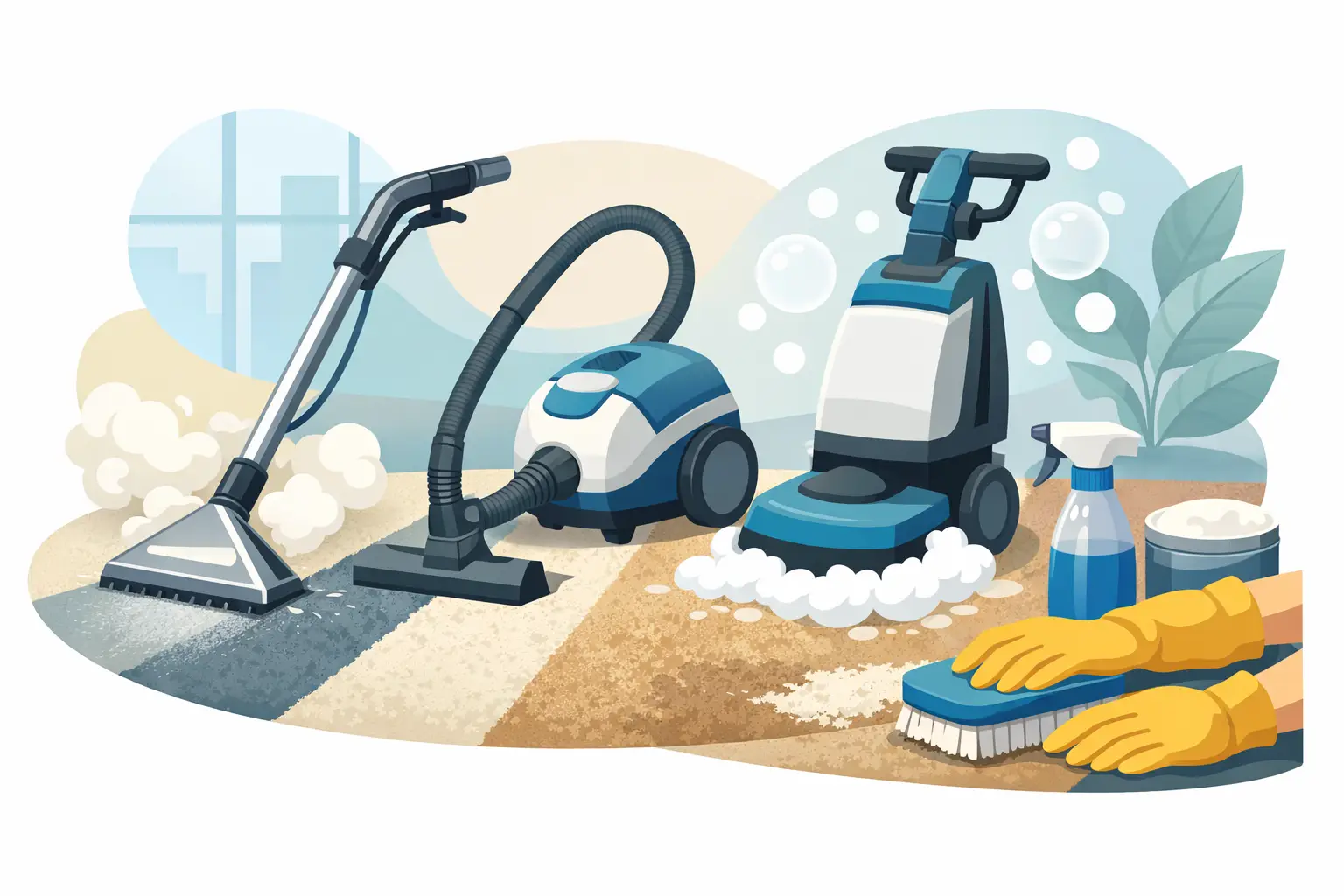
    Hot water extraction is one of the most common professional methods. It usually takes longer than surface-level cleaning because it includes pre-spraying, agitation where needed, extraction and drying time. For homes that need a thorough refresh, it is often worth the extra time.

    Low-moisture cleaning can be quicker to dry and may suit settings where downtime needs to be kept to a minimum, such as offices or managed properties. However, the right method depends on the carpet, the level of soiling and the result you need.

    Bonnet cleaning and other maintenance-focused methods are sometimes used in commercial settings for appearance improvement, but they may not deliver the same depth as a restorative clean. For high-standard domestic cleaning or end of tenancy work, the best choice is usually the one that balances speed with a properly hygienic finish.

    Timing for end of tenancy and commercial carpet cleaning

    End of tenancy carpet cleaning often takes longer than routine household cleaning. There is usually more pressure to achieve a strong visual result, and areas such as bedrooms, hallways, stairs and living rooms may all need attention in one visit. If a property has been vacant for a while, dust and settling debris can add to the work as well.

    For landlords and letting agents, it is wise to allow some flexibility in the schedule. Booking carpet cleaning too close to an inventory check or key handover can create unnecessary stress, especially if the carpets still need drying time.

    Commercial cleaning can sometimes be arranged outside standard hours to reduce disruption. In offices and shared workspaces, this often matters as much as the cleaning time itself. A professional team will normally plan the job around access, safety and foot traffic so the space can return to use with minimal inconvenience.

    How to get a realistic time estimate before booking

    The most accurate estimates come from clear information. Room count helps, but dimensions are better. Mention stairs, landings, stains, pet issues and whether furniture will need to be moved. If timing is critical, say so from the outset.

    This is especially useful for larger homes, busy offices and managed properties across the South West, where scheduling may need to fit around tenants, staff or follow-on services. A polished, professional cleaning service should be able to explain not just how long the cleaning is likely to take, but also when the carpet is expected to be dry enough for normal use.

    If you are comparing providers, be cautious of very fast promises that sound too good to be true. Speed has its place, but so do precision and care. A well-cleaned carpet should look refreshed, feel hygienic and dry within a sensible timeframe, not simply be rushed through.

    So, when should you book carpet cleaning?

    If the carpet needs to look its best for guests, viewings, staff, or a move, book earlier than you think you need to. That gives enough room for proper cleaning, drying and any follow-up ventilation. It also means you can choose a time that suits your household or business rather than squeezing it into the last available slot.

    At Blueglade Cleaning, that balance between quality and convenience is exactly what matters. Carpet cleaning should feel straightforward, professionally managed and worth the time it takes. When the job is done properly, the result is not just a cleaner carpet, but a fresher, healthier space that is ready to be enjoyed again.

  • Builders Cleaning Devon for a Smooth Handover

    Builders Cleaning Devon for a Smooth Handover

    Fresh plaster dust on the skirting, adhesive smears on the glass, fine debris sitting in every corner – a newly built or renovated property can look finished long before it feels ready. That is where builders cleaning Devon becomes less of a final touch and more of a practical step between construction and confident handover.

    For developers, landlords, homeowners and site managers, the standard that matters is simple: the space needs to be clean, safe and presentable. Not just generally tidy, but detailed enough for viewings, snagging checks, move-ins or business use. A proper post-build clean helps protect the impression your property makes from the first step through the door.

    What builders cleaning in Devon actually covers

    Builders cleaning is not the same as regular domestic cleaning, and it is rarely solved by a quick sweep and wipe-down. After building or refurbishment work, dust settles into places that ordinary cleaning routines are not designed to handle. Paint flecks, grout haze, silicone residue and packaging waste all need a more methodical approach.

    In most cases, the work is completed in stages. The first stage usually deals with heavier debris and surface dirt left behind by trades. After that comes a more detailed clean, where attention turns to floors, internal glass, frames, fixtures, switches, sockets and hard-to-reach edges. If the property is close to handover, a final sparkle clean may be needed to bring everything up to presentation standard.

    This staged approach matters because timing affects the result. Clean too early and more dust will settle after follow-on trades return. Leave it too late and handover dates can start to feel uncomfortably tight.

    Why professional builders cleaning Devon saves more than time

    The obvious benefit is convenience. Construction teams and property professionals already have enough moving parts to manage without adding deep cleaning to the list. But the real value goes further than that.

    A professional clean helps present workmanship properly. Even high-specification finishes can look poor if they are masked by dust or marked with residue. Tiles lose their sharpness, glass looks dull and newly fitted kitchens can appear unfinished. Careful cleaning allows the quality of the build to show through.

    There is also a health and safety angle. Fine construction dust can linger on surfaces and in the air, especially after sanding, cutting or plastering. In occupied homes, rental properties and workplaces, that can quickly become a practical problem. A thorough clean supports a healthier environment and makes the space more comfortable for the people about to use it.

    Then there is reputation. If you are handing over a completed home, preparing a commercial unit or getting a rental property ready for new tenants, cleanliness shapes first impressions immediately. People notice dusty ledges, marked flooring and smeared windows far faster than they notice a well-fitted socket or neat joinery line.

    When a standard clean is not enough

    There are situations where a lighter clean may be suitable, particularly for minor decorating work in one room. But many post-build projects need a more specialist finish.

    A renovation often creates hidden dust migration throughout the property, even if work was limited to one area. Newly installed bathrooms and kitchens can hold protective films, grout residue and polish marks that need careful removal. Commercial refurbishments may also involve larger floor areas, more glass and stricter presentation requirements.

    It depends on the scope of work, the stage of the project and who will occupy the building next. A homeowner moving back after a small update may have different expectations from a developer preparing multiple units for sale. The right cleaning plan should match the property, not force every project into the same pattern.

    What to expect from a high-standard post-build clean

    A quality builders clean should feel organised from the outset. That means clear communication, sensible scheduling and a team that understands how to clean around new finishes without causing damage.

    Typically, the work includes removing dust from surfaces high and low, cleaning internal windows and frames, wiping down doors, skirting boards and woodwork, polishing sanitaryware and fittings, and treating kitchens and bathrooms with particular care. Floors are vacuumed and washed according to the material, and attention is given to marks left by labels, tape, plaster, paint and silicone where safe removal is possible.

    Good service also means knowing what not to do. Fresh paint, uncured sealants and delicate materials can all require a more cautious approach. Professional teams assess the condition of surfaces first rather than applying one aggressive method to everything. That balance between thoroughness and care is what separates a polished finish from costly aftercare.

    The difference between builders cleans and sparkle cleans

    These terms are often used together, but they are not always identical. A builders clean usually tackles the heavier aftermath of construction work. A sparkle clean is more presentation-led and is often carried out once the building is complete, defects are resolved and the property is nearly ready for occupation.

    If you are preparing for photography, a client handover or first occupation, the sparkle stage can make all the difference. It catches the finer details – smears on mirrors, fingerprints on glass, dust on ledges and the general crispness that gives a property its finished feel.

    Choosing the right team for builders cleaning in Devon

    Not every cleaning company is equipped for post-construction work. The right team should be trained, insured and comfortable working in environments where timing, access and finish quality all matter.

    It is worth looking for a service that can adapt to different property types, from private homes and rental properties to offices, developments and commercial sites. Flexibility matters because building schedules change. Delays happen, trades overrun and access windows can shift with little notice. A dependable cleaning partner makes that easier to manage rather than harder.

    You should also expect a clear scope of work. Ambiguity creates disappointment on both sides. If external windows, waste removal or specialist stain treatment are not included, that should be understood at the start. The best results come from a tailored plan based on the actual condition of the property and the level of finish required.

    For clients across Devon, that local understanding can be useful too. Travel routes, property types and scheduling pressures all affect service delivery. A team that regularly supports homes, businesses and post-build projects in the region is often better placed to respond efficiently and maintain standards under pressure.

    Builders cleaning Devon for homes, rentals and commercial spaces

    Post-build cleaning is relevant across more settings than many people expect. Homeowners often need support after extensions, loft conversions, kitchen refits or full-property renovations. Landlords and letting agents may require a fast turnaround after works before marketing or check-in. Developers need consistency across plots, while offices and retail spaces often need to reopen promptly after refurbishment.

    Each setting brings different priorities. In a family home, the focus may be on comfort, dust removal and making the property feel livable again. In rental and managed property, the emphasis is usually on readiness, presentation and meeting deadlines. In commercial premises, hygiene, appearance and minimal disruption tend to lead the conversation.

    That is why a one-size-fits-all clean rarely delivers the right result. Premium service means tailoring the clean to the space, the finishes and the next stage of use.

    Why detail matters after construction

    Anyone can remove the obvious mess. The standard is set by what happens after that. Are the light switches free from dust? Are the frames, sockets and skirting boards properly detailed? Has the fine residue been lifted from corners, not just pushed around? Are the kitchen and bathroom surfaces left polished rather than simply wiped?

    These details influence whether a property feels complete. They also reduce the need for last-minute return visits, reactive complaints or a rushed tidy-up before keys are handed over. For busy professionals, that kind of reliability is not a luxury. It is part of keeping a project on track.

    At Blueglade Cleaning, that is the thinking behind every specialist clean – precise work, dependable service and a finish that reflects the care already invested in the property.

    If your build or refurbishment is nearly finished, the final clean should not be an afterthought. It is the moment the dust clears, the workmanship stands out and the space finally feels ready for what comes next.

  • Domestic Cleaning Checklist for Landlords

    Domestic Cleaning Checklist for Landlords

    A missed grease mark behind the hob or limescale left around the taps can turn an otherwise tidy property into a source of complaints, delays and avoidable cost. A strong domestic cleaning checklist for landlords helps you protect presentation, reduce disputes and hand over a home that feels properly cared for from the moment a tenant walks in.

    For landlords, cleaning is not just about appearances. It affects inventory check-outs, tenant satisfaction, maintenance visibility and how quickly a property is ready to let again. The standard needs to be practical, repeatable and high enough to support a smooth transition between tenancies.

    Why landlords need a domestic cleaning checklist

    A rental property is judged quickly. Prospective tenants notice odours, dusty skirting boards, stained carpets and smeared glass within seconds. Existing tenants notice when standards slip too, especially at move-in, when cleanliness shapes their first impression of the property and, by extension, their expectations of the tenancy.

    A clear checklist also creates consistency. If you manage multiple homes or work with a letting agent, you need a straightforward way to confirm that each room has been cleaned thoroughly, not just tidied. That matters when deposits are discussed, maintenance issues need spotting early, or contractors are booked in around a tight turnaround.

    There is a practical benefit as well. Deep cleaning often reveals problems that would otherwise stay hidden, such as mould beginning behind furniture, leaking pipework under the sink, extractor fans clogged with dust or oven seals starting to fail. Cleaning done with care protects the condition of the property as much as its appearance.

    Domestic cleaning checklist for landlords: where to focus

    The most effective approach is to work room by room while keeping an eye on the details tenants notice first. A property does not need to feel clinical, but it should feel fresh, hygienic and ready to live in.

    Entrance halls, landings and shared areas

    Start with first impressions. Floors should be vacuumed or mopped, depending on the surface, and corners cleared of dust and cobwebs. Light switches, door handles and bannisters deserve attention because they collect marks quickly. If there are mirrors or glazed panels, polish them until they are streak-free.

    In flats or HMOs, shared areas need especially close attention. Tenants often judge overall management standards by the condition of communal spaces, and these areas can gather dirt faster than private rooms.

    Living rooms and bedrooms

    These spaces should feel calm, light and free from stale smells. Dust all surfaces, including shelving, curtain rails, skirting boards, sockets and the tops of doors. Vacuum carpets carefully, moving lightweight furniture where possible rather than cleaning only visible areas.

    If the property is furnished, wipe wardrobes, bedside cabinets, tables and drawer fronts inside and out. Upholstery should be vacuumed and spot-cleaned where needed. Mattresses, if included, should be checked for marks and refreshed so the room feels genuinely ready for use.

    Windows matter here more than many landlords expect. Fingerprints, dust on sills and dirty frames can make an otherwise well-kept room feel neglected.

    Kitchens

    The kitchen usually decides whether a cleaning job feels acceptable or exceptional. Worktops, cupboard fronts, splashbacks and sinks should all be degreased and sanitised. Cupboards and drawers need cleaning inside as well as outside, particularly at end of tenancy, because crumbs, spills and sticky residue are common.

    Appliances need more than a quick wipe. The oven, hob, extractor hood, microwave, fridge and freezer should all be cleaned thoroughly. Grease build-up around the hob and extractor is one of the most common reasons a property fails to feel move-in ready. Fridges should be emptied, disinfected and left fresh, while freezers should be defrosted if required.

    Pay attention to taps, plugholes and tile grout. Limescale and grime around these areas stand out immediately and suggest poor overall upkeep, even if the rest of the kitchen is clean.

    Bathrooms and cloakrooms

    Bathrooms need a visibly hygienic finish. Toilets, basins, baths and showers should be descaled, disinfected and polished. Shower screens and tiles should be free from soap residue, and mirrors should be clear and streak-free.

    This is also the room where mould and ventilation issues often show up first. Cleaning should include extractor fans, ceiling corners and sealant lines around baths and showers. If staining remains after cleaning, that is usually a maintenance flag rather than a cleaning issue, and it is worth addressing before the next tenant moves in.

    Do not overlook the smaller details. Chrome fittings, toilet seats, flush handles and shelving all contribute to whether a bathroom feels properly finished.

    Utility spaces and storage areas

    Cupboards, airing cupboards and utility rooms are easy to ignore, but tenants notice when they open a door and find dust, cobwebs or debris. Sweep or vacuum floors, wipe shelving and make sure any appliances such as washing machines are clean externally and, where appropriate, internally.

    If bins are stored indoors or near the back door, sanitise the surrounding area. Lingering odours can undermine the sense of freshness you want across the property.

    What landlords often miss

    A checklist is most useful when it covers the points that are easy to forget in a rushed turnaround. These are often the details that trigger complaints because they suggest the cleaning was only surface level.

    Common missed areas include skirting boards, behind radiators, light fittings, the tops of kitchen units, inside bins, window tracks, extractor covers, around toilet hinges and the edges of flooring where dust gathers. Finger marks around switches and doors are another small issue that makes a property feel less cared for than it is.

    It also helps to think about smell, not just sight. Air freshener can mask a problem, but it does not solve it. A genuinely clean property should smell neutral and fresh, not perfumed to hide cooking residue, damp or pet odours.

    When a basic clean is not enough

    Not every property needs the same level of service. A well-kept flat after a long-term tenancy may need a thorough refresh. A family home after years of occupation, pets or heavy kitchen use may need something much closer to a deep clean or end of tenancy clean.

    This is where judgement matters. If carpets are stained, ovens are heavily soiled, upholstery holds odours or post-build dust is present after repairs, a standard domestic clean may not achieve the finish needed for viewings or handover. In those cases, specialist services such as carpet cleaning, oven cleaning or a more intensive top-to-bottom clean can save time and produce a noticeably better result.

    For landlords with short turnaround windows, professional support is often less about convenience alone and more about keeping the letting schedule on track. A trained team works methodically, spots issues early and delivers the polished finish tenants expect.

    Building your own landlord cleaning standard

    The best domestic cleaning checklist for landlords is one you can use repeatedly across every property, whether you manage one house or a wider portfolio. Keep it specific enough to be useful but practical enough to complete without guesswork.

    A good standard usually includes visible cleanliness, hygienic kitchen and bathroom areas, dust removal from high and low surfaces, internal cupboard checks, appliance cleaning and flooring that has been properly vacuumed or washed. If inventory evidence is important, complete cleaning before photographs and final inspections so the condition of the property is clearly documented.

    It is also wise to separate cleaning from repairs in your process. Cleaning can reveal chipped paint, damaged silicone, worn sealant or broken fittings, but those items should then move into a maintenance list. Trying to solve both at once often slows handover.

    Should landlords handle cleaning themselves or outsource it?

    That depends on the property, your time and the standard required. If you are local, have one small property and can dedicate the hours, managing the clean yourself may be realistic. Even then, using a checklist keeps the result consistent.

    For larger homes, furnished lets, end of tenancy changeovers or managed portfolios, outsourcing is often the more efficient choice. Professional cleaners bring structure, equipment and a sharper eye for the finish tenants and agents expect. For landlords in busy parts of the South West, that can mean less downtime between occupancies and fewer last-minute snags before keys are handed over.

    Blueglade Cleaning supports landlords who want that process handled with precision, care and dependable scheduling, especially when presentation and timing both matter.

    A cleaner property sets the tone

    Tenants notice when a home has been prepared properly. Clean surfaces, fresh rooms and attention to detail signal that the property is managed with care, and that matters long after move-in day. A reliable checklist keeps standards high, protects your asset and makes every new tenancy start on the right footing.

  • Commercial Cleaning Somerset Businesses Trust

    Commercial Cleaning Somerset Businesses Trust

    A spotless reception at 8:30am says something before your team does. So does a washroom that is fully stocked, a meeting room without dust on the skirting, and floors that still look cared for by the end of a busy week. For many organisations, commercial cleaning Somerset is not a background task at all. It is part of how the business is judged by staff, visitors, clients and tenants.

    The right cleaning service protects more than appearances. It supports hygiene, staff wellbeing, day-to-day efficiency and the overall standard people associate with your business. Whether you manage an office, retail unit, shared building, clinic, showroom or rental property, cleaning works best when it is planned around how your space is actually used.

    What good commercial cleaning in Somerset really covers

    Commercial spaces rarely need the same approach as domestic properties. Footfall is heavier, touchpoints are used constantly, and certain areas become untidy far faster than others. A smart cleaning plan accounts for all of that rather than applying the same routine everywhere.

    In practice, that usually means regular attention to entrances, reception desks, washrooms, kitchens, hard floors, carpets, shared desks, meeting rooms and waste removal. It can also include deeper work on a scheduled basis, such as carpet cleaning, interior window cleaning, upholstery care or a more intensive clean after refurbishments, maintenance works or seasonal peaks.

    The detail matters. A business may look tidy at first glance while still falling short in places people notice up close, such as door plates, light switches, sanitary fittings or corners where dust gathers. Precision is what turns a basic service into a reliable one.

    Why businesses invest in commercial cleaning Somerset services

    For most commercial decision-makers, the question is not whether cleaning matters. It is whether the service is dependable enough to remove stress rather than create more of it. If standards slip, managers end up checking work, chasing updates and dealing with complaints. That defeats the point of outsourcing.

    A professional service should give you consistency. Your workplace feels ready each day, consumables and problem areas are easier to stay on top of, and your team can focus on their actual roles. That has practical value in offices, but it is just as important in client-facing settings where first impressions affect trust.

    There is also the health factor. Shared kitchens, washrooms, desks and entrance points collect germs quickly, especially in busy buildings. Regular cleaning helps reduce build-up and supports a healthier environment, but frequency depends on the space. A small office with limited visitors may need a different schedule from a customer-facing premises with constant traffic.

    One size rarely works

    This is where many cleaning arrangements fall short. Some businesses are over-serviced in quiet areas and under-serviced where the real pressure sits. Others pay for daily cleans when a mixed schedule of routine visits and planned deep cleaning would be more sensible.

    A tailored plan tends to work better. For example, a professional office may prioritise desks, glass, washrooms and kitchens, while a retail space may need extra attention on floors, changing areas, entrance glazing and high-touch surfaces. Property managers often need flexibility between regular communal cleaning and one-off support for end of tenancy or post-build work.

    The strongest cleaning plans start with usage patterns. How many people use the space, when the busiest periods occur, which areas create the most complaints, and where presentation matters most should all shape the service.

    Choosing a commercial cleaning provider in Somerset

    Not every provider operates at the same standard, and price alone rarely tells you enough. A lower quote can look appealing until missed visits, poor communication or rushed work start affecting the space.

    A dependable cleaning partner should be able to explain what is included, how quality is checked, whether the team is trained and insured, and how changes in scope are handled. That sounds basic, but clarity at the start prevents a great deal of frustration later.

    It also helps to look for flexibility. Commercial needs change. Headcounts rise, opening hours shift, a new tenant moves in, or part of the building goes through refurbishment. A provider that can adapt without making the process difficult is often worth more than one offering a rigid package.

    For many businesses, environmentally responsible methods matter too. Eco-friendly products and thoughtful cleaning practices can support a healthier indoor environment without compromising standards. The key is balance. Green cleaning should still deliver visible, hygienic results in the real conditions your premises face.

    Questions worth asking before you book

    Ask how the service will be tailored to your building, not just what the standard checklist includes. Ask who to contact if something needs attention quickly, and how often work is reviewed. If you require cleaning outside business hours, confirm that this can be managed consistently rather than only when staffing allows.

    It is also worth discussing specialist needs early. Carpet care, sparkle cleaning after construction, end of tenancy cleaning for managed properties, and periodic deep cleans often sit alongside regular commercial work. If one provider can manage both routine and specialist services, coordination becomes much simpler.

    The difference between routine cleaning and deeper support

    Routine cleaning keeps standards steady. It handles the daily and weekly tasks that stop your premises from slipping. But some environments need more than maintenance.

    Deep cleaning is useful when a workplace has not been professionally cleaned for some time, when standards have dropped, or when there are hygiene concerns in neglected areas. It is also valuable before a new tenancy, after building work, ahead of an inspection or during a reset following a change in occupancy.

    This is often where businesses see the biggest visual improvement. Carpets brighten, stubborn grime is removed from washrooms and kitchens, and overlooked areas start reflecting the standard you want associated with your business. Ongoing visits can then maintain that result more effectively.

    Cleaning around your operations

    A quality service should fit around the rhythm of your business, not interrupt it. Early mornings, evenings and quieter trading periods are often the most practical windows, but what matters most is reliability. If cleaning is scheduled for a certain time, it should happen when expected.

    This is particularly important in workplaces where confidentiality, security or staff concentration matter. Cleaners need to work professionally within the environment, respecting access arrangements and carrying out their role with care.

    Communication matters just as much as the cleaning itself. If a task cannot be completed because an area is inaccessible, you should know. If a recurring issue is spotted, it should be reported. Good service is not only about what gets cleaned. It is also about how clearly things are managed.

    Commercial cleaning as part of your brand standard

    Businesses put time into signage, décor, customer service and presentation because these details shape perception. Cleanliness belongs in the same category. Clients may not comment when everything feels fresh, tidy and cared for, but they notice quickly when it does not.

    For staff, the effect is just as real. A clean kitchen is more pleasant to use. Tidy washrooms reflect consideration. Well-kept floors and work areas create a stronger sense of order. None of this replaces good leadership or a healthy workplace culture, but it does support them.

    That is why commercial cleaning should be viewed less as a basic overhead and more as an operational standard. The goal is not simply to remove dirt. It is to help your premises feel professional, hygienic and ready for whatever the day brings.

    When local knowledge adds value

    In Somerset, businesses range from small professional offices and independent shops to larger multi-use sites, managed blocks and construction projects. Those differences affect what effective cleaning looks like. Older buildings may need more careful methods on certain surfaces. High-street locations often deal with heavier entrance traffic. Shared properties can have competing priorities across communal areas.

    A provider that understands those practical differences can shape the service more intelligently. That is part of what makes tailored support more valuable than a generic package. Blueglade Cleaning approaches commercial spaces with that level of care, combining trained teams, flexible scheduling and a clear focus on standards that last.

    If you are reviewing your current arrangement, the best next step is often a simple one. Look at where complaints happen, where standards drop between visits, and where first impressions matter most. A cleaning service should make those pressure points easier to manage, leaving you with a workplace that feels calm, polished and properly looked after.

  • How to Hire Office Cleaners Properly

    How to Hire Office Cleaners Properly

    A missed bin collection, dusty meeting rooms and toilets that never quite feel fresh can quietly shape how people see your business. If you are working out how to hire office cleaners, the real question is not simply who can mop a floor. It is who can protect your standards, support staff wellbeing and keep your workplace consistently presentable without adding more to your day.

    Why hiring the right office cleaner matters

    Office cleaning is easy to undervalue until standards slip. Staff notice it first. Clients notice it faster than you might expect. A workplace that looks tired or poorly maintained can make the whole business feel less organised, even when everything else runs well.

    There is also the practical side. Shared desks, kitchens, washrooms, reception areas and touchpoints all need proper attention if you want a workspace that feels hygienic and cared for. In busy offices, light daily wear builds up quickly. What looks manageable on Monday can look neglected by Thursday.

    That is why hiring on price alone often leads to frustration. A lower quote can be appealing, but if the cleaner misses details, turns up inconsistently or lacks the right insurance, the cost shows up elsewhere in complaints, poor presentation and time spent chasing issues.

    How to hire office cleaners without wasting time

    The best approach is to start with your building, not the provider. Before asking for quotes, be clear on what your office actually needs. A small professional suite with five staff has very different requirements from a multi-room office with heavy foot traffic, customer visits and shared facilities.

    Think about how the space is used across a normal week. Are staff in every day or only part of the week? Do clients visit often? Are there kitchens, washrooms, glass partitions, carpets or hard floors that need specific care? Do you need early morning cleaning, evening visits or weekend availability?

    This part matters because vague briefs lead to vague quotes. If you ask three companies for “office cleaning”, you may receive three completely different proposals. One may include washrooms and kitchen consumables checks, another may not. One may allow enough time for detailed cleaning, while another may price for a quick surface tidy.

    A good cleaning company should help define the scope, but you should still know your priorities. For most offices, that means a reliable routine covering desks and surfaces, bins, floors, toilets, kitchens and high-touch areas, with occasional deeper attention to carpets, upholstery, internal glass and hard-to-reach spots.

    What to look for in an office cleaning company

    Professionalism should show up early. The quoting process, communication style and willingness to understand your building say a lot about how the service will run after you sign.

    Look first at training and insurance. A commercial cleaning team should be fully insured and properly trained in safe cleaning methods, product use and site protocols. This is especially important if cleaners work outside office hours and have independent access to the premises.

    Next, ask how quality is maintained. Some businesses assign a cleaner and hope for the best. Stronger providers have a system behind the service, with supervision, checklists, clear reporting and a process for resolving concerns quickly. Consistency is usually what separates a dependable partner from a disappointing one.

    It is also worth asking whether the company uses its own staff or subcontractors. Neither model is automatically wrong, but it does affect accountability. If standards matter, you want to know exactly who is responsible for recruitment, vetting, cover during absences and ongoing performance.

    Eco-conscious cleaning products may matter to your business too, particularly if you want a healthier environment for staff or need to align with internal sustainability goals. The key is not the label alone but whether the company can balance environmentally responsible products with effective cleaning results.

    Questions worth asking before you book

    When you compare providers, ask direct questions. Not to create a long interview, but to avoid assumptions that become problems later.

    Ask what is included in the regular service and what counts as extra. Ask whether consumables are supplied or simply monitored. Ask how keyholding or alarm procedures are managed. Ask what happens if your usual cleaner is off sick. Ask how often the specification is reviewed.

    You should also ask how complaints or missed tasks are handled. A polished sales process means very little if there is no clear response when something goes wrong. Good providers do not pretend issues never happen. They explain how they put them right.

    If your office has sensitive areas, specialist flooring or compliance requirements, bring that up from the start. The more specific the conversation, the more accurate the quote and the smoother the service.

    Price matters, but value matters more

    Every business has a budget, and office cleaning should be cost-conscious. But the cheapest option is not always the most economical. If the cleaner cuts corners, uses poor-quality products or has high staff turnover, you may end up paying more in disruption and rework.

    A fair quote should reflect the size of the space, frequency of visits, level of detail required, access times and any specialist tasks. If one quote comes in far below the others, it is worth asking why. Sometimes the difference is efficiency. More often, it means something has been left out.

    Value shows up in reliability, presentation and peace of mind. When the service is right, your staff walk into a clean workplace every day and you spend less time managing cleaning problems. That is worth far more than a small saving on paper.

    Red flags when hiring office cleaners

    A few warning signs should make you pause. One is a company that will quote without asking much about the site. Another is vague wording around insurance, staffing or what the service includes. If the details are unclear before the contract starts, they are unlikely to become clearer afterwards.

    Poor communication is another issue. If emails go unanswered, appointments move around or basic questions are brushed aside, expect the same once the work begins. Cleaning may happen behind the scenes, but the service itself should feel organised and responsive.

    Be careful too with companies that promise everything immediately. Flexibility is helpful, but a credible provider will usually want to assess the office properly and recommend a realistic schedule. Overpromising often leads to underdelivering.

    The benefit of a tailored cleaning plan

    No two offices are the same, which is why a tailored plan tends to work better than a fixed one-size-fits-all package. A law firm, letting agency, design studio and shared office space all have different traffic patterns, expectations and pressure points.

    The right cleaning plan should reflect how your premises function in real life. You may need daily washroom checks but only twice-weekly desk and floor cleaning. You may want a regular evening service with a monthly deep clean for carpets or kitchen appliances. The point is precision, not unnecessary visits.

    For businesses across the South West, this can be especially useful where offices range from compact town-centre premises to larger multi-use commercial sites. A tailored service keeps standards high without paying for work you do not need.

    Making the handover easy

    Once you choose a provider, the handover should be simple and structured. A good cleaning company will confirm the scope, schedule, access arrangements and any site-specific instructions before the first visit. That early clarity prevents small mistakes that can affect confidence from day one.

    It also helps to agree one point of contact on both sides. If something needs adjusting, whether that is frequency, access or an area needing extra care, the conversation is quicker and cleaner. Good service relationships are built on that kind of straightforward communication.

    If you are changing from an existing cleaner, do not rush the transition. Make sure alarm procedures, keys, storage for supplies and expectations around consumables are all agreed in advance. It saves a great deal of back and forth later.

    Choosing a partner, not just a cleaner

    When considering how to hire office cleaners, the best decision usually comes from looking beyond the task list. You are not only hiring somebody to empty bins and clean floors. You are choosing a team that will represent your standards when nobody else is watching.

    That is why trust, consistency and attention to detail matter so much. A professional cleaning service should make your workplace feel easier to run, not harder to manage. It should protect presentation, support hygiene and give you confidence that the job will be done properly every time.

    At Blueglade Cleaning, we believe office cleaning should feel dependable, polished and completely hassle-free. Choose a team that understands your workplace, listens carefully and delivers with precision, and the difference will be visible long after the first clean.

  • Office Cleaners Plymouth Businesses Can Rely On

    Office Cleaners Plymouth Businesses Can Rely On

    A smudged glass entrance, overflowing bins by midday, and washrooms that never quite feel fresh – these are small details that shape how your business is judged. When people search for office cleaners Plymouth companies can depend on, they are rarely just looking for someone to empty the bins. They want a professional service that protects presentation, supports staff wellbeing, and keeps the working day running without disruption.

    A well-maintained office says something clear about your standards. It tells clients you pay attention. It tells employees their environment matters. It also reduces the quiet build-up of dust, bacteria, clutter, and wear that can make a workplace feel tired long before anyone says it aloud.

    What good office cleaning really covers

    Office cleaning is often treated as a simple checklist, but in practice it works best when it is shaped around the building, the people using it, and the pace of the business. A smaller office with a handful of desks may need regular touchpoint cleaning and tidy washrooms, while a larger site with meeting rooms, kitchens, reception areas, and shared facilities needs a broader and more carefully timed approach.

    The basics matter. Desks, floors, bins, kitchens, toilets, doors, switches, and communal surfaces all need consistent attention. Yet consistency is only part of the picture. Good cleaning also means noticing what others miss – fingerprints on internal glass, dust collecting on skirting boards, marks around light switches, and washroom consumables that run out at the wrong moment.

    That is where a professional standard starts to separate itself from a basic one. The difference is not always dramatic on day one. It shows over time, in the way a workspace continues to feel polished, hygienic, and ready for business.

    Why Plymouth businesses need a tailored approach

    Not every office works the same way, and that is exactly why one-size-fits-all cleaning often falls short. In Plymouth, some businesses operate in modern shared spaces with steady footfall, while others are in older buildings with different flooring, narrower access, or more maintenance demands. A financial office, estate agency, medical-adjacent workspace, or creative studio will all have slightly different expectations.

    The best office cleaners in Plymouth understand that frequency, timing, and scope should follow the reality of the site. Some businesses need daily cleaning because client traffic is constant. Others may only need several visits a week but expect a sharper focus on kitchen hygiene, washrooms, and meeting rooms. There is also the question of working hours. Cleaning during the day can be practical in some workplaces, but in others it creates noise, distraction, or awkward interruptions.

    A tailored plan is not about adding unnecessary extras. It is about making sure the right tasks happen at the right time, with no wasted effort and no neglected areas.

    The link between cleanliness and workplace standards

    An office does not need to look extravagant to feel professional. It needs to feel cared for. Staff notice when kitchens are unpleasant to use. Visitors notice dusty reception furniture and marked floors. Management notices when a building starts to look older than it is.

    Cleanliness has a direct effect on how a space is experienced. Fresh washrooms and tidy communal areas support comfort and confidence. Cleaner surfaces and regularly maintained flooring help preserve the condition of the workplace. In client-facing environments, that matters even more. If your premises are part of your first impression, cleaning is part of your brand presentation.

    There is also a practical health angle. Shared offices create plenty of contact points, from door handles and taps to kettle handles, chair arms, and meeting room tables. A thoughtful cleaning routine helps reduce the build-up that spreads quickly in busy spaces, especially during periods of increased illness.

    What to expect from professional office cleaners Plymouth teams

    If you are comparing providers, professionalism should be visible in more than a quote. Reliable office cleaners Plymouth businesses trust tend to have a clear process, trained staff, and the ability to adapt without lowering standards.

    That starts with communication. You should know what is included, when cleaning will take place, and how requests or issues are handled. A dependable service should also be able to work around your opening hours, access needs, and security requirements. Keys, alarm procedures, restricted zones, and confidentiality all need to be treated with care.

    Products and methods matter too. Many businesses now prefer eco-conscious cleaning where possible, not simply for image, but because staff spend long hours in those environments. Low-residue, well-chosen products can help maintain a fresh and comfortable workspace without harsh smells or unnecessary chemical load.

    Insurance and training should never be an afterthought. A professional team should understand safe cleaning methods, different surface types, and how to deliver a consistent finish across both visible areas and the less obvious ones that often get overlooked.

    Daily, weekly, or periodic cleaning – what makes sense?

    This depends on footfall, layout, and the standard you want to maintain. Daily cleaning is often the right choice for offices with regular visitors, shared kitchens, or busy washrooms. It keeps things under control and prevents small issues from turning into a visible decline.

    For quieter offices, a few visits each week may be enough, especially if staff are generally tidy and the premises are not heavily used. Even then, periodic deep attention still has value. Carpets, upholstery, internal windows, high dusting, and detailed sanitisation are not always needed every day, but they make a noticeable difference over time.

    This is where many businesses benefit from a flexible plan rather than a fixed routine that never changes. Seasonal demands, team growth, events, renovations, or flu season can all shift what your office needs. Good service adapts to that reality.

    The areas that are easiest to overlook

    Most people notice a dirty floor. Fewer notice the gradual decline in places that collect grime quietly. Kitchens are one of the biggest examples. Cupboard fronts, splashbacks, microwaves, fridge handles, and sink surrounds can start to feel unpleasant long before anyone formally complains.

    Washrooms are another. A washroom can appear tidy at a glance while still falling short on hygiene, odour control, and replenishment. Then there are shared touchpoints such as bannisters, lift buttons, printer stations, and meeting room equipment. These areas do not always look dirty, but they are used constantly.

    Professional cleaning should account for these patterns. It is not just about what is visible from the doorway. It is about the full experience of using the workplace.

    Choosing a cleaning partner, not just a contractor

    Price matters, but it should not be the only measure. A cheaper service that misses tasks, arrives inconsistently, or needs constant chasing usually costs more in frustration and reputation than it saves on paper.

    A stronger option is a cleaning partner that treats your premises with care and precision. That means showing up reliably, maintaining standards over time, and making the process easy for you. For office managers and business owners, convenience is part of the value. You should not have to manage every detail once expectations are agreed.

    This is especially important if your office supports clients, tenants, employees, or multiple departments. Cleaning affects more than appearance. It touches morale, comfort, and trust in the day-to-day environment. A premium yet accessible service often proves its worth in consistency rather than promises.

    For businesses that want a more polished, dependable result, working with a specialist such as Blueglade Cleaning can make that handover feel straightforward. The goal is simple – a cleaner, healthier office maintained with care, without adding to your workload.

    When it is time to review your current service

    If your office never quite feels finished after a clean, that is usually a sign. If bins are emptied but surfaces still feel dusty, if washrooms are technically cleaned but never feel fresh, or if standards dip whenever schedules change, it may be time to reassess.

    The right cleaning plan should leave your workplace ready for staff, visitors, and the demands of the week ahead. It should fit around your business, not compete with it. And it should give you confidence that the details are being handled properly, from the front entrance to the kitchen sink.

    A cleaner office does more than improve appearances. It creates a space people are happier to walk into every morning, and that is a standard worth keeping.

  • A Practical Guide to End of Tenancy

    A Practical Guide to End of Tenancy

    Keys are due back at 10am, the van is booked, and suddenly the flat looks far more lived-in than it did when you moved in. That is usually when a proper guide to end of tenancy becomes less of a nice-to-have and more of a plan. Whether you are a tenant aiming to leave on good terms, a landlord preparing for new occupants, or a letting agent managing a tight turnaround, the final days of a tenancy often come down to detail.

    End of tenancy is not just about a quick tidy. It is about presentation, condition, and proof that the property has been returned in a reasonable state. The closer your approach is to the original inventory and check-in report, the smoother the handover tends to be. That matters financially, but it also saves time, avoids disputes, and keeps the next stage moving.

    What a guide to end of tenancy should actually cover

    A useful guide to end of tenancy needs to go beyond cleaning alone. Cleanliness matters, but so do repairs, paperwork, meter readings, rubbish removal, and timing. Many handover problems happen because one small task is missed rather than because the whole property is in poor condition.

    For tenants, the main goal is usually deposit protection. For landlords and agents, it is about preparing the property to a relettable standard without delay. Those goals overlap more than people think. Everyone benefits when the property is left clean, empty, and ready for inspection.

    There is also a practical difference between everyday cleaning and end of tenancy cleaning. A home that feels clean while occupied may still fall short at move-out. Areas behind appliances, inside cupboards, skirting boards, limescale on taps, and grease in the oven are the places where standards are judged most closely.

    Start with the inventory, not the mop

    The smartest first step is to review the original inventory and check-in report. That document sets the benchmark for condition and cleanliness, so it should guide your priorities. If there are photographs, compare room by room and be realistic about what needs attention.

    This is where wear and tear becomes important. A faded carpet in a high-traffic area or minor scuffs from normal living are not the same as damage. On the other hand, stains, broken fixtures, missing items, and neglected cleaning are harder to defend. If something was already marked at the start of the tenancy, keep that record to hand.

    For landlords and agents, consistency matters. If your expectations at check-out are stricter than the condition recorded at check-in, you create avoidable friction. Clear reporting on both sides usually makes the process fairer and faster.

    The ideal end of tenancy timeline

    Leaving everything until the final day is where stress multiplies. A better approach is to spread the work across the last two weeks. Begin by sorting possessions, arranging removals, and deciding what is being taken, donated, or disposed of. Once the property starts to empty, the cleaning and condition issues become much easier to spot.

    A week before departure, patch the smaller problems. Replace blown bulbs if appropriate, remove picture hooks if required by your agreement, and clean areas that are usually hidden by furniture. Check white goods, defrost the freezer if it is staying behind, and make sure bins are emptied correctly.

    The last 24 hours should be for finishing touches rather than major jobs. That includes vacuuming, mopping, wiping down surfaces, checking windows internally, and making sure the property smells fresh rather than perfumed. Strong fragrances can seem like an attempt to mask stale odours, so simple cleanliness is usually the better route.

    Where end of tenancy standards are won or lost

    Kitchens and bathrooms tend to decide the outcome of an inspection. They show grease, limescale, soap residue, and watermarks quickly, and they also signal how carefully the property has been maintained.

    In the kitchen, inspectors typically notice the oven, hob, extractor, sink, taps, cupboard fronts, worktops, splashbacks, and the space around appliances. The inside of the fridge, freezer, microwave, and cupboards should not be overlooked. Crumbs, grease build-up, and food residue are common reasons a property feels unfinished.

    Bathrooms need the same level of precision. Limescale around taps and shower screens, mould in sealant, dust on extractor fans, and residue in toilets or basins can let down an otherwise decent clean. Mirrors, chrome finishes, tiles, and grout all benefit from careful attention.

    Elsewhere, walls, woodwork, internal glass, light fittings, radiators, sockets, switches, skirting boards, and flooring matter more than many people expect. Carpets may need more than vacuuming if there are visible stains or odours. Upholstered items, if included with the tenancy, should also be left clean and presentable.

    DIY or professional cleaning?

    It depends on the condition of the property, the time available, and the level of finish required. Some tenants are perfectly capable of handling an end of tenancy clean themselves, especially in a smaller flat that has been well maintained. If you choose that route, the key is to clean methodically and allow more time than you think you need.

    Professional cleaning becomes especially useful when the property is larger, furnished, or under pressure for a quick handover. It also helps when ovens, carpets, upholstery, or post-renovation dust need specialist treatment. For landlords and agents, professional support often reduces void time because the standard is more consistent and the property is ready for viewings sooner.

    A premium service should do more than make the place look good at first glance. It should address detail, work to a checklist, and leave the property inspection-ready. That level of care is often what separates a rushed clean from a handover standard.

    Small details that prevent larger disputes

    A surprising number of end of tenancy issues have little to do with cleaning. Unreturned keys, forgotten loft contents, bags left by communal bins, or missing instruction manuals can all slow down the process. Meter readings should be taken on the final day, utility accounts updated, and post redirected where needed.

    Photographs are also worth taking once everything is complete. A full set of dated images can be helpful if there is any later disagreement about condition. They should show each room clearly, along with any specific areas that were discussed in advance.

    If there has been accidental damage during the tenancy, honesty is usually the better approach. Declaring it early gives everyone a chance to agree the next step. Trying to hide issues behind a quick clean rarely works and can make a straightforward matter feel more serious.

    Advice for landlords and letting agents

    If you manage properties, your guide to end of tenancy should be built around clarity. Tenants respond better when expectations are specific, reasonable, and communicated early. Sending a clear move-out checklist before the tenancy ends is often more effective than chasing problems afterwards.

    It also helps to think commercially. A property that is technically acceptable but not properly presented may still cost you time in delayed viewings, slower reletting, or reduced first impressions. Professional end of tenancy cleaning is often less about fault and more about readiness. In busy rental markets across the South West, speed and presentation can directly affect occupancy.

    For furnished properties, consistency is particularly important. Soft furnishings, carpets, and appliances all influence how clean a property feels. Bringing in a trained team can be the difference between a same-week turnaround and a drawn-out reset.

    When to bring in help

    The best time to arrange support is before the final rush. If specialist cleaning is likely to be needed, booking in advance protects your schedule and gives room for any follow-up if required. This is especially true during peak moving periods, when availability can tighten quickly.

    A trusted provider should be able to explain what is included, how long the clean is likely to take, and whether additional services such as carpet, upholstery, oven, or window cleaning are recommended. For busy tenants and property professionals, that clarity removes guesswork.

    Blueglade Cleaning approaches end of tenancy work with the same precision, care, and reliability that define every service – helping homes and rental properties reach a spotless, handover-ready standard without added hassle.

    The handover should feel calm, not chaotic

    The strongest end of tenancy outcomes usually come from planning rather than panic. Start with the inventory, tackle the detail early, and be realistic about where professional help will save time or protect standards. A clean, well-prepared property does more than satisfy a checklist – it shows care, keeps the process fair, and makes the next move easier for everyone involved.

    When the final walkthrough comes, the aim is simple: no distractions, no avoidable issues, and no last-minute scramble. Just a property that is ready to be handed over with confidence.

  • A Practical Guide to Move Out Cleaning

    A Practical Guide to Move Out Cleaning

    The final few days before you hand back keys are rarely calm. There are boxes in the hallway, paperwork to finish, and that nagging question of whether the property is actually clean enough. This guide to move out cleaning is designed to make that final stage simpler, whether you are a tenant protecting your deposit, a landlord preparing for new occupants, or a property manager working to a tight turnaround.

    Move-out cleaning is not quite the same as a regular weekly clean. The standard is usually higher, and the details matter more. Skirting boards, inside cupboards, limescale around taps, oven grease, and marks on internal glass all attract attention when a property is being inspected empty. The good news is that with the right plan, the job becomes far more manageable.

    What makes move-out cleaning different?

    A lived-in home can look tidy while still hiding a surprising amount of grime. Once furniture is removed, every missed patch becomes obvious. Dust gathers behind wardrobes, crumbs collect under appliances, and carpet traffic marks stand out more clearly in bare rooms.

    That is why a proper guide to move out cleaning needs to focus on presentation as well as hygiene. The goal is to leave the property fresh, neutral, and ready for handover. In practical terms, that means cleaning areas that are easy to overlook during normal day-to-day maintenance.

    There is also a balance to strike. Not every property needs the same level of work. A modern flat that has been well maintained may only need a thorough top-to-bottom clean. A family home after several years of occupancy may need deeper attention, especially in kitchens, bathrooms, and carpets.

    Start with a realistic plan

    The biggest mistake people make is leaving everything until moving day. Cleaning around half-packed boxes wastes time and often leads to rushed results. If possible, begin in stages a week or two before your move.

    Start with cupboards, shelves, and areas you use less often. Clean them as you empty them. This spreads the workload and avoids the last-minute scramble. On the final day, you can then focus on floors, bathrooms, kitchen surfaces, and finishing touches.

    It also helps to check your tenancy agreement or inventory report. Some landlords and letting agents are very specific about expectations, especially around ovens, extractor fans, white goods, and flooring. If there are any points of dispute later, being able to show that you cleaned to a clear standard is helpful.

    The best order for move-out cleaning

    A methodical approach saves effort. In most homes, it makes sense to work top to bottom and room by room. Dust high surfaces first, then clean mid-level areas such as cupboards, sills, and worktops, and leave floors until the end.

    If the property is empty, start in the rooms furthest from the entrance and work your way out. This prevents you from walking dirt back into spaces you have already finished. It sounds simple, but it makes a visible difference.

    Kitchen

    The kitchen usually takes the longest, and for good reason. Grease, food residue, water marks, and hidden crumbs build up quickly. Begin by emptying every cupboard and drawer, then wipe inside and out. Pay attention to handles, hinges, and shelf edges.

    Worktops, splashbacks, sinks, and taps should be degreased and descaled where needed. The hob, extractor, and oven often need the deepest cleaning. If the oven has baked-on grease, this can become a project in itself, and it is one of the most common reasons tenants decide to bring in professional support.

    Do not forget the fridge and freezer if they are included in the property. They should be emptied, switched off if appropriate, defrosted, and wiped dry. Any lingering odour will be noticed straight away.

    Bathroom

    Bathrooms are judged quickly because signs of neglect are so obvious. Limescale around taps and shower screens, soap residue on tiles, and discolouration in grout can make the room feel less cared for than it really is.

    Focus on descaling and polishing. Clean the toilet thoroughly, including behind the base. Wash the bath or shower tray, remove residue from screens and chrome fittings, and wipe mirrors until streak-free. Cabinets and vanity units should be emptied and cleaned inside as well as outside.

    If mould has formed around sealant, it depends on how severe it is. Light surface staining may respond to suitable cleaning products. If the sealant itself is worn or damaged, that becomes more of a maintenance issue than a cleaning one.

    Bedrooms and living areas

    These rooms are usually more straightforward, but details still matter. Wipe wardrobes inside and out, dust skirting boards, clean window sills, remove cobwebs from corners, and check internal glass for fingerprints or smears.

    Marks on walls are a grey area. A light scuff may be removable with careful spot cleaning, but aggressive scrubbing can damage paint. If a mark is part of fair wear and tear, cleaning alone may not solve it. It is better to be cautious than to create a patchy finish.

    Floors and carpets

    Hard floors should be vacuumed and then cleaned with the correct method for the material. Wood, laminate, vinyl, and tile all respond differently to moisture and cleaning products, so avoid soaking the floor.

    Carpets deserve special attention at move-out stage. Vacuuming improves appearance, but it will not always remove odours, stains, or embedded soil. If the tenancy agreement requires professional carpet cleaning, or if the carpet has visible marks, specialist treatment may be the better route.

    Common areas people forget

    Even careful cleaners tend to miss the same spots. Light switches, plug sockets, door frames, radiator tops, curtain rails, and the tops of kitchen cupboards often escape notice. So do the edges behind freestanding appliances and the inside of the washing machine drawer.

    Windows are another area where expectations vary. Some handovers only require internal glass to be cleaned. Others call for a fuller finish. If you are unsure, it is worth clarifying in advance rather than guessing.

    Should you do it yourself or book a professional clean?

    It depends on your timeline, the condition of the property, and how confident you feel tackling deep cleaning tasks. If you have kept the home in excellent condition and can dedicate uninterrupted time, a DIY approach may be perfectly reasonable.

    Professional move-out cleaning becomes more attractive when the property is large, the oven is heavily soiled, carpets need specialist treatment, or the handover window is tight. For landlords and letting agents, it can also help create consistency between tenancies. For busy tenants, it removes a physically demanding task at a point when there is already enough to manage.

    A professional service should bring precision, proper equipment, and a checklist-led approach. That matters when standards are high and presentation influences deposits, inspections, and first impressions. In busy areas across South-West England, where turnaround times can be short, reliability is often just as valuable as the clean itself.

    A simple move-out cleaning checklist

    If you want a practical benchmark, make sure the property is empty first, then check that all surfaces are dust-free, cupboards and drawers are wiped out, kitchen appliances are cleaned, bathrooms are descaled, windows are clear on the inside, and floors are thoroughly vacuumed and washed where suitable. Finish by taking rubbish away, checking for odours, and doing one final walk-through with fresh eyes.

    That last check matters. Open every cupboard, stand in each doorway, and look at the room as an inspector would. Empty spaces reveal flaws quickly.

    How to avoid problems at handover

    Photographs are useful once cleaning is finished, especially if you are a tenant. Well-lit images of each room, key appliances, and the overall condition of the property provide a simple record. Keep any receipts too, particularly if you have paid for carpet, oven, or end of tenancy cleaning.

    Timing also matters. If repairs, painting, or removals happen after the clean, some of the benefit is lost. Ideally, cleaning should be the final substantial job before handover.

    For anyone who wants the process handled with care and consistency, Blueglade Cleaning understands that move-out cleaning is about more than surface shine. It is about leaving a property ready for its next chapter, with less stress for the people handing it over.

    A clean exit always feels better than a rushed one, and when the last box is gone, that peace of mind is worth the effort.

  • How to Prepare for Cleaners Properly

    How to Prepare for Cleaners Properly

    When a professional cleaner is due to arrive, the goal is not to clean before the cleaner. It is to make sure their time is spent where it matters most. That is the real answer to how to prepare for cleaners – not scrubbing surfaces in advance, but removing delays, clarifying priorities, and setting the space up for efficient, high-standard work.

    A well-prepared home or workplace helps your cleaning team focus on the tasks you are paying for. It also makes the visit smoother for you. Whether you have booked a regular clean, a one-off deep clean, an end of tenancy service, or office cleaning, a little preparation can improve the final result.

    How to prepare for cleaners without overdoing it

    The biggest misconception is that you need to make the property spotless before professionals arrive. You do not. Cleaners are there to handle the cleaning. What helps most is basic tidying, so they can reach surfaces, floors, kitchens, bathrooms, desks, and skirting boards without spending valuable time moving everyday clutter from one place to another.

    Think of it this way. If a cleaner spends the first half hour sorting around toys, paperwork, charging cables, or clothes on the floor, that is half an hour not spent polishing, sanitising, dusting, or tackling built-up grime. A quick reset before the appointment gives you better value and a better finish.

    This matters even more for larger properties or time-sensitive jobs. In offices, for example, clear desks and accessible communal areas allow a cleaner to work with precision and pace. In homes, tidy rooms mean more attention can go into bathrooms, kitchens, and the detailed touches that create a properly refreshed space.

    Start with clutter, not cleaning products

    If you are wondering how to prepare for cleaners in practical terms, begin by removing loose items from the areas being cleaned. Put away clothing, children’s toys, paperwork, pet accessories, and any objects that usually gather on floors or worktops. You do not need to stage the property like a showroom, but clear enough space so each room can be cleaned properly.

    Kitchen worktops should be as open as possible. Bathrooms are easier to clean thoroughly when bottles, razors, and personal items are lifted away. In living areas, floors should be free of obstacles so vacuuming and mopping can be done without interruption. Bedrooms benefit from clothes being placed in wardrobes, drawers, or laundry baskets rather than left on chairs or carpets.

    If there are areas you do not want touched, that is equally useful to flag. A locked study, a cupboard containing confidential documents, or a room being used for storage should be identified in advance. Clear communication prevents confusion and helps the team work confidently around your preferences.

    Secure valuables and personal items

    Professional cleaners are trained to work carefully and respectfully, but it is always sensible to put away valuables, sentimental items, and sensitive documents before any service visit. This is not about distrust. It is about avoiding accidents, misunderstandings, and unnecessary worry.

    Jewellery, cash, passports, legal paperwork, and fragile keepsakes are best stored safely out of the way. The same applies to anything deeply personal that you would simply prefer not to leave on display. A cleaner can then work efficiently without needing to second-guess what should or should not be moved.

    For businesses, this point is especially relevant. If your office contains confidential client files, payment records, or devices with sensitive information, make sure they are secured before the cleaning team arrives. Good preparation supports both hygiene standards and day-to-day professionalism.

    Make access easy

    A surprisingly common delay comes down to access. If the cleaner cannot get in on time, the appointment starts with avoidable friction. Before the day of the service, confirm how entry will work. That may mean being present to greet the team, leaving keys according to agreed arrangements, or making sure reception staff know a cleaner is expected.

    If there are parking restrictions, entry codes, alarm systems, difficult gates, or building-specific instructions, share them in advance. In flats, managed buildings, and office sites, a few clear details can save a lot of time. This is particularly helpful for one-off services such as end of tenancy cleaning or post-construction cleaning, where timing often matters.

    Access also includes practical working conditions inside the property. If possible, make sure cleaners can reach a water supply and that electricity is available where needed. Most professional teams arrive prepared, but a functional environment always supports a more efficient service.

    Highlight priorities before the visit

    Every property is different. Some clients care most about bathrooms looking immaculate. Others want extra attention on kitchen grease, pet hair, fingerprints on glass, or high-traffic office flooring. If you have priorities, say so before the appointment begins.

    This does not need to be a long briefing. A simple note or short conversation is usually enough. Let the team know if there are problem areas, delicate surfaces, or rooms that matter most. If you have booked a deep clean, be specific about areas of concern such as limescale, inside cupboards, or neglected corners. If it is a regular clean, mention any changes since the last visit.

    There can be trade-offs, especially when time is fixed. More attention to one area can mean less time elsewhere. That is why clarity matters. Professional cleaners can often tailor the service, but only if they understand what good looks like to you.

    Prepare children and pets

    A clean is easier, safer, and calmer when cleaners can work without constant interruption. If you have young children at home during the appointment, it helps to keep them occupied in a separate room or plan outings where possible. This is not always realistic, and good cleaners are used to working in active homes, but fewer interruptions generally lead to a smoother result.

    Pets also need some thought. Friendly dogs may still get underfoot, and nervous cats may be unsettled by unfamiliar people or equipment. If possible, keep pets in a secure, comfortable area while cleaning is taking place, especially when floors are being washed or doors are opening regularly.

    In commercial settings, the equivalent is staff movement. If an office is being cleaned during working hours, it helps to notify employees in advance and keep walkways, kitchens, and meeting rooms reasonably clear.

    Know what is included and what is not

    One of the best ways to avoid disappointment is to understand the scope of the service you have booked. Regular cleaning, deep cleaning, end of tenancy cleaning, carpet cleaning, oven cleaning, and sparkle cleaning all involve different tasks. Preparing properly means knowing what the team is coming to do.

    For example, if you expect the inside of appliances to be cleaned, check that this is included. If you need internal windows, upholstery treatment, or detailed stain removal, mention it ahead of time rather than on arrival. Some tasks require extra time, specialist products, or dedicated equipment.

    This is where a professional cleaning company adds real value. A tailored plan gives you clarity, sets expectations, and helps ensure the service matches the condition of the property. If you are booking for a rental handover, managed property, or post-build site, that level of planning becomes even more important.

    A few final checks on the day

    On the day itself, keep preparation simple. Finish any tidying, put away valuables, and check access arrangements once more. If bins are overflowing or there are isolated spills that could cause slips, deal with those quickly before the team arrives. You may also want to make a note of any final instructions so nothing is missed in the handover.

    Then step back and let the professionals do their work. The value of a quality cleaning service lies in the care, precision, and consistency it brings to your space. Preparing well does not mean doing the job for them. It means creating the right conditions for a truly polished result.

    If you approach it that way, every visit feels easier – and the standard of clean is exactly what it should be: thorough, efficient, and ready to support a healthier, more comfortable space.

  • How to Choose House Cleaners Wisely

    How to Choose House Cleaners Wisely

    A cleaner can make your home feel lighter within hours – or leave you chasing missed corners, unclear charges, and awkward follow-up messages. If you are wondering how to choose house cleaners, the right approach is not simply finding the lowest quote. It is about finding a team you can trust in your space, with standards that match your expectations and a service that genuinely makes life easier.

    For busy households, landlords preparing a property, or professionals trying to keep a polished home without giving up weekends, the difference between an average cleaner and a dependable cleaning service is significant. A good fit saves time, reduces stress, and delivers consistent results. A poor fit often costs more in the long run.

    How to choose house cleaners without guesswork

    Start by being clear about what you actually need. Many people look for a “house cleaner” when what they really need is something more specific. A regular weekly or fortnightly clean is very different from a deep clean before guests arrive, an end of tenancy clean, or a one-off refresh after building work.

    That matters because the best provider for one job is not always the best provider for another. Some cleaners are ideal for maintenance cleaning and keeping a home ticking over. Others are set up for more detailed, specialist work, with the equipment, products, and trained staff needed for ovens, carpets, upholstery, or post-construction cleaning.

    Before you compare providers, think about the size of your property, the rooms that matter most, whether you have pets or children, and how often you want the service. If you have allergies or prefer eco-conscious products, that should also be part of the conversation from the start.

    Look beyond price alone

    Price is important, but it should not be the deciding factor on its own. A very low quote can mean corners are being cut somewhere – shorter visit times, limited insurance, inconsistent staffing, or rushed work that leaves the home looking tidy at first glance but not properly cleaned.

    A professional cleaning company should be able to explain exactly what is included in the price. If one quote seems much lower than the others, ask why. Is laundry included? Are bathrooms descaled? Will skirting boards, internal glass, or kitchen fronts be cleaned? Are products and equipment supplied? Clear answers here prevent disappointment later.

    There is also a practical difference between value and cost. Paying a little more for trained, insured professionals who arrive on time and clean with care often works out better than rebooking, correcting mistakes, or managing avoidable issues yourself.

    Cheap can be expensive

    The lowest rate may look appealing, especially for larger homes or frequent appointments. But cleaning is a service built on time, detail, and trust. If the quote does not allow enough time to do the work properly, the standard will usually reflect that.

    That does not mean the most expensive option is automatically best either. What you want is a fair, transparent price for a clearly defined service.

    Check trust signals carefully

    Inviting someone into your home requires confidence. Professionalism should be visible before the first visit takes place.

    Look for a company that is insured, has trained staff, and communicates clearly. These are not small details. Insurance protects both sides if something goes wrong. Training supports consistency and safe use of products across different surfaces. Clear communication tells you a great deal about how the service will be managed after booking.

    Reviews can help, but read them with a practical eye. Instead of looking only at star ratings, pay attention to repeated themes. Do customers mention reliability, attention to detail, friendliness, and responsive support? Or do you see complaints about missed appointments, changing prices, and rushed cleaning?

    If you are booking for a rental property, managed property, or office, reliability becomes even more important. You need a team that understands timings, access arrangements, and presentation standards, not one that treats every job as interchangeable.

    Ask what is included, and what is not

    One of the most common reasons people feel dissatisfied with a cleaning service is a mismatch in expectations. The client assumes a task is standard. The cleaner sees it as extra. Nobody clarifies this until after the appointment.

    That is why a proper scope matters. Ask for specifics. Which rooms are covered? What tasks are included in kitchens and bathrooms? Will beds be made? Are internal windows included? Is tidying part of the service, or only cleaning? If you book a deep clean, what makes it different from a regular visit?

    This is especially important for one-off services. An end of tenancy clean, for example, usually needs a more detailed checklist than a standard domestic clean. The same applies to post-build cleaning, where dust control, residue removal, and finishing touches require a different level of precision.

    Tailored plans usually work better

    Homes are not all used in the same way. A family home with pets, a city flat occupied by one professional, and a short-let property between guests all need different priorities.

    The best services recognise that and adjust accordingly. A tailored plan tends to produce better results than a rigid one-size-fits-all package, especially if there are areas you care about more than others.

    Pay attention to communication from the start

    A company does not need to be flashy to be professional, but it should be responsive, organised, and easy to deal with. The experience of getting a quote often tells you what the ongoing service will be like.

    If questions are answered properly, appointments are explained clearly, and expectations are set in a calm and confident way, that is a strong sign. If you struggle to get a straight answer before booking, things are unlikely to become smoother afterwards.

    Good communication also includes practical details such as arrival windows, access instructions, cancellation terms, payment methods, and what to do if you need to adjust your booking. Busy households and businesses do not just want cleaning done well. They want the whole process to feel dependable.

    Consider consistency, not just first impressions

    Many cleaning services can deliver a strong first visit. The real test is whether they can keep doing it. If you are booking recurring cleans, ask how consistency is maintained.

    Will the same cleaner or team usually attend? Is there a quality-check process? What happens if your regular cleaner is unavailable? These questions matter because consistency is where convenience really starts to pay off. You should not need to re-explain your preferences every time someone arrives.

    For landlords, letting agents, and office managers, consistency protects standards across multiple visits. For homeowners, it means your home stays cared for in the way you prefer, without constant supervision.

    Choose a service that respects your home

    A polished result should never come at the expense of care. Professional cleaners should know how to treat delicate surfaces, use suitable products, and work safely around fixtures, furnishings, and personal belongings.

    If eco-friendly cleaning matters to you, ask what products are used and how they balance environmental responsibility with effective results. A more thoughtful approach is often better for households with children, pets, sensitivities, or simply a preference for a fresher, less harsh finish.

    Respect also shows up in smaller ways – arriving prepared, working methodically, locking up properly if agreed, and treating your home as a private space rather than just another booking slot.

    When a local professional team makes more sense

    There is a clear advantage in choosing an established local company when reliability, flexibility, and accountability matter. In areas such as Exeter, Plymouth, Taunton and the wider South West, clients often need more than a quick one-off cleaner. They need a trusted service partner who can handle recurring cleans, specialist jobs, and higher-stakes property work with the same level of care.

    That is where a professional company with broad service coverage can offer more reassurance than a basic ad-hoc arrangement. Blueglade Cleaning, for example, is built around precision, trained teams, and tailored plans rather than a one-size-fits-all approach, which is often what clients are really looking for when standards matter.

    Red flags worth noticing

    A few warning signs should make you pause. Vague pricing, no proof of insurance, poor communication, and reluctance to explain what is included are all signs to take seriously. So is an unwillingness to discuss products, security, or how complaints are handled.

    You should also be cautious if a provider promises an unrealistic amount of work in too little time. A proper clean takes planning and effort. Overpromising usually leads to underdelivering.

    The right cleaner is not simply the one who can fit you in fastest. It is the one who understands your priorities, communicates clearly, and delivers a standard you would be happy to book again.

    A well-chosen cleaning service should feel like one less thing to think about – a reliable part of a smoother, cleaner, more comfortable home life.