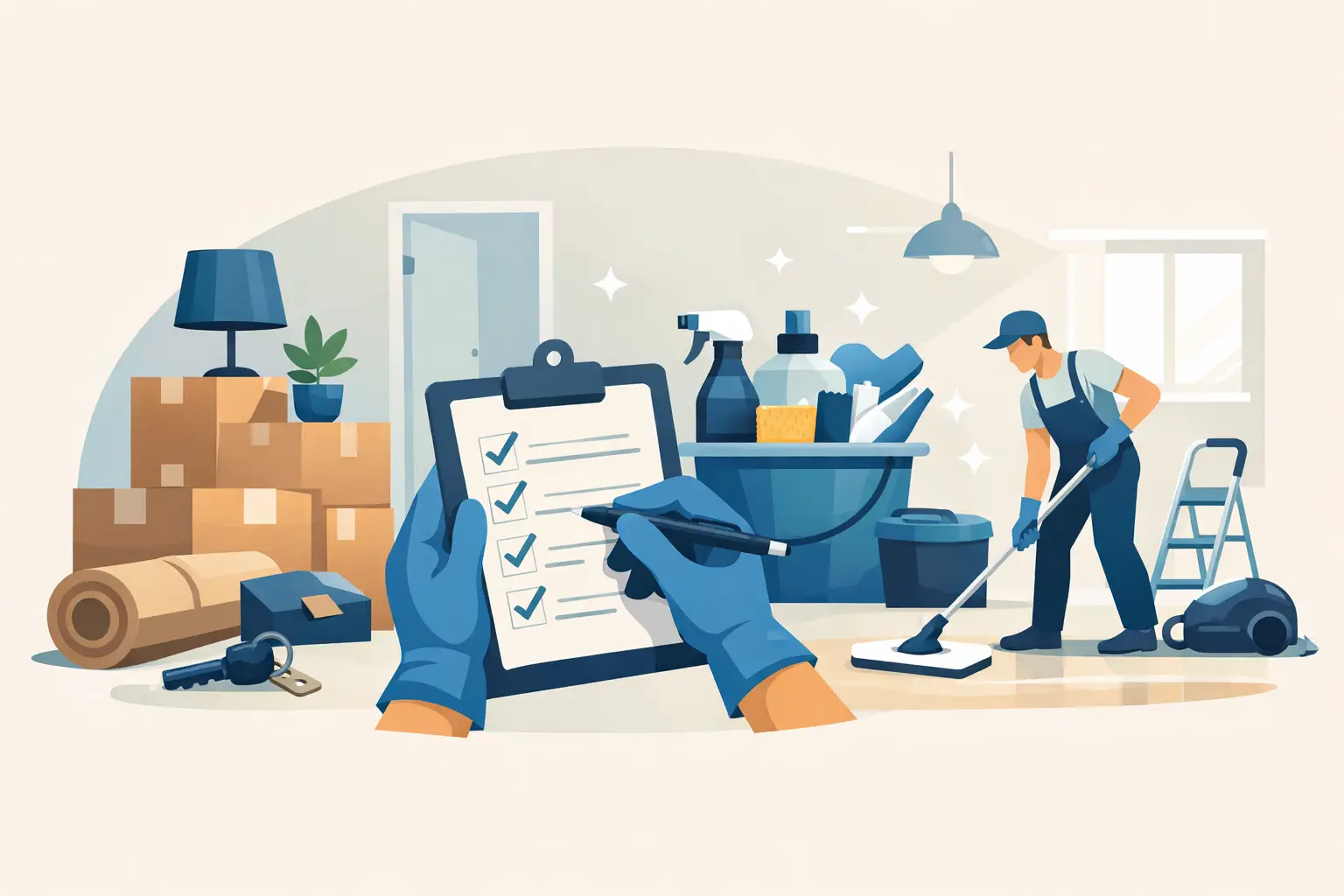
The final week before moving out has a way of making every small job feel urgent. Boxes are everywhere, keys need returning, and suddenly the skirting boards matter more than they have all year. If you are wondering how to prepare for end of tenancy cleaning, the goal is not just to make the property look tidy. It is to leave it inspection-ready, reduce the chance of disputes, and give yourself one less thing to worry about during a busy move.
End of tenancy cleaning is different from a quick weekly clean. Letting agents and landlords usually assess the property with far more attention to detail, and areas that are easy to ignore during day-to-day life can quickly become sticking points. Preparing properly means less stress on the day and a better chance of meeting the standard expected at check-out.
How to prepare for end of tenancy cleaning before the big day
The best preparation starts earlier than most tenants expect. If you leave everything until the last 24 hours, cleaning becomes slower, more frustrating, and easier to get wrong. A well-prepared property is one where the cleaning itself can happen without obstacles.
Start by checking your tenancy agreement and inventory. These documents often tell you what standard the property was in when you moved in and what is expected when you leave. If carpets were professionally cleaned at the start of the tenancy, for example, that may influence what you need to arrange at the end. If the inventory mentions marks, wear, or existing damage, keep that in mind so you are not trying to clean what is actually a maintenance issue.
It is also worth doing a simple walk-through room by room. Look at the property as a landlord or letting agent would. Open cupboards. Check inside the oven. Look behind doors, under beds, and around window frames. This early review helps you spot problem areas while you still have time to deal with them properly.
Declutter first, clean second
One of the most common mistakes is trying to clean while the property is still half packed. End of tenancy cleaning is far more effective once the home is empty, or as close to empty as possible. Furniture, bags, food, and leftover household items all slow the process down and make it harder to reach the places that matter most.
Before any serious cleaning begins, remove everything you are taking with you and dispose of anything you no longer want. This includes forgotten items in kitchen cupboards, cleaning products under sinks, toiletries in bathrooms, and rubbish in sheds or balconies. If you leave belongings behind, they can be treated as waste, and that may lead to extra charges.
An empty space also makes dirt more obvious. Marks on walls, dust behind furniture, and crumbs in corners become easier to spot once the room is clear. That is useful, because tenancy cleaning is judged on detail, not just overall appearance.
Pay attention to repairs and wear
Cleaning and maintenance are not the same thing, but they are often confused at check-out. If there are scuffed walls, missing light bulbs, loose handles, or minor damage caused during your tenancy, sort those issues before cleaning day where appropriate. A spotless kitchen will not distract from a broken cupboard door.
That said, fair wear and tear is a separate matter. Older carpets, faded paint, and general ageing are not things you can clean away. If you are unsure whether something counts as damage or normal use, take clear photographs. Good records protect everyone and help avoid confusion later.
Gather the right supplies or book the right help
If you are cleaning the property yourself, preparation includes having the right products and equipment ready. That usually means microfibre cloths, a good vacuum, a mop, a descaler, degreaser, glass cleaner, bathroom cleaner, bin bags, and sponges that will not scratch delicate surfaces. You may also need a step stool for high areas and attachments for skirting boards, corners, and upholstery.
This is where honesty matters. Some properties only need a well-planned deep clean. Others need far more time, effort, and specialist attention than most people can realistically manage during a move. Ovens, carpets, limescale build-up, and heavy grease are the usual examples. If the property has not been deeply cleaned for some time, bringing in a professional service can be the more practical option, particularly when timing is tight and the expected standard is high.
Focus on the areas most likely to be inspected
Every room matters, but some areas attract much closer attention than others. Kitchens and bathrooms tend to make the biggest impression because they show grease, limescale, soap residue, and grime more clearly than living areas.
In the kitchen, pay close attention to the oven, hob, extractor fan, splashback, cupboards inside and out, sink, taps, tiles, and appliances. Do not forget the fridge and freezer if they are included in the property. They should be emptied, switched off if required, and left clean and fresh.
Bathrooms need the same level of care. Focus on the shower screen, grout, taps, basin, toilet, mirrors, bath, and any mould-prone areas. Limescale is one of the biggest causes of a bathroom looking unclean even after a general wipe-down, so it is worth treating it properly rather than rushing over it.
Elsewhere, the details still count. Dust on skirting boards, fingerprints on light switches, marks on internal doors, cobwebs in corners, and smudges on windows can all affect the final impression. Floors should be vacuumed thoroughly and hard flooring mopped after everything else is finished.
Time the clean properly
If you want the best result, schedule cleaning after the property has been emptied but before the final handover. That sounds obvious, but it is often overlooked. Clean too early and the property may pick up dust, footprints, or new marks during the move. Leave it too late and you risk running out of time altogether.
The ideal window is usually once removals are complete and all rooms are accessible. That gives you, or your cleaners, a clear run at the property. It also means you can take final photographs once everything is clean and ready.
For larger homes or family properties, allow more time than you think you need. End of tenancy cleaning is rarely a quick job, especially if you are balancing it with packing, key return, travel, and paperwork.
Use a room-by-room check rather than guesswork
A structured approach nearly always works better than trying to clean reactively. Move through the property one room at a time and finish each space fully before moving on. That reduces missed areas and helps you keep track of what has already been done.
It also helps to clean from top to bottom. Start with high surfaces, shelves, and frames, then work down to mid-level surfaces, and finish with floors. That way you are not knocking dust onto an area you have already cleaned. In bathrooms and kitchens, leave final polishing until the end so taps, chrome, and glass look their best at inspection.
Don’t forget the outside and the overlooked extras
Some tenancy check-outs include more than the obvious indoor spaces. If the property has a garden, patio, balcony, garage, or allocated bin area, make sure these are left tidy. That does not usually mean full landscaping, but it does mean removing rubbish, sweeping where needed, and leaving the area presentable.
Small extras matter too. Check curtain rails, inside wardrobes, radiators, plug sockets, and the tops of kitchen cabinets. Remove food from the cupboards. Empty all bins. Defrost the freezer if required. Replace any missing bulbs you are responsible for. These finishing touches often make the difference between a property that looks generally clean and one that feels professionally prepared.
When professional cleaning makes sense
There is no rule that says every tenant must use a professional cleaner, but there are situations where it makes strong practical sense. If the property is large, if the schedule is tight, if the oven or carpets need specialist work, or if you simply want reassurance before inspection, professional support can save time and reduce pressure.
For busy tenants, landlords, and letting agents, the value is not only in the cleaning itself. It is in the consistency, the attention to detail, and the confidence that the property has been prepared to a high standard. That matters even more in competitive rental markets across places such as Exeter, Plymouth, Taunton, Somerset, Dorset, and the wider South West, where presentation and handover standards can be closely managed.
A service-led company such as Blueglade Cleaning can also help when the move involves multiple tasks at once and you need a dependable partner rather than another job on your list.
Final checks before you hand over the keys
Once the cleaning is complete, do one final walk-through with fresh eyes. Open appliances, cupboards, and wardrobes. Check mirrors for streaks and floors for debris. Flush toilets, run taps briefly, and make sure no cleaning materials have been left behind.
Then take clear, dated photographs of each room. This is a simple but valuable step. It gives you a record of the property’s condition at handover and can help if any questions come up afterwards.
Moving out is demanding enough without second-guessing whether the cleaning will hold up under inspection. A calm, well-timed approach gives you the best chance of leaving the property in excellent condition and walking away with confidence.
Leave a Reply