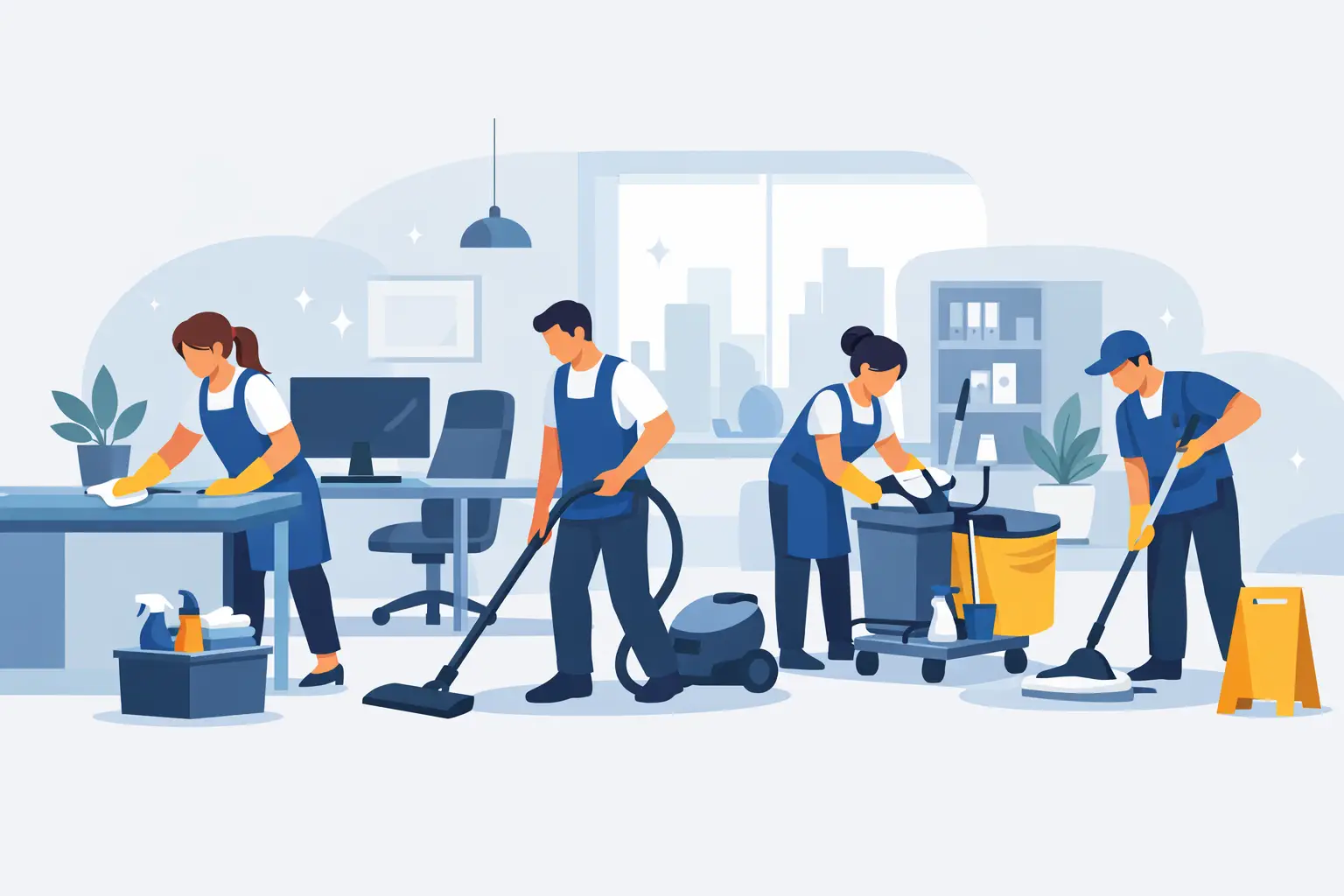
A full bin by 10am, fingerprints on the glass entrance door, yesterday’s coffee marks still circling the sink – these are the small details that make an office feel neglected long before anyone notices the carpet. The best office cleaning tasks daily are the ones that protect hygiene, preserve presentation and keep the working day running smoothly without disruption.
For office managers and business owners, daily cleaning is not about chasing perfection in every corner. It is about prioritising the areas that affect staff wellbeing, client impressions and the general standard of the workplace. When daily tasks are chosen well, the office feels cared for, professional and easier to maintain over time.
What the best office cleaning tasks daily should achieve
A good daily routine does three jobs at once. It reduces obvious dirt and clutter, tackles high-contact points where bacteria spread quickly, and prevents minor mess from becoming a larger cleaning issue later in the week.
That balance matters. If too much attention goes into low-impact tasks every day, cleaning becomes inefficient. If too little goes into busy shared areas, the office can look tired and unhygienic very quickly. The right routine is practical, consistent and shaped around how your team actually uses the space.
Best office cleaning tasks daily for a healthier workplace
Emptying bins and replacing liners
This is one of the simplest daily jobs, but it has an immediate effect. Overflowing bins make even a tidy office look poorly managed, and food waste in kitchen or breakout areas can quickly lead to odours.
Desk bins may not always need emptying every single day in quieter offices, but general waste and kitchen bins usually do. It depends on staff numbers, working patterns and whether people eat at their desks. In busy workplaces, bin management is non-negotiable.
Disinfecting high-touch surfaces
Door handles, light switches, lift buttons, kettle handles, fridge doors, shared keyboards, photocopier panels and meeting room tables all collect constant contact through the day. These areas should sit near the top of any daily cleaning plan.
This is where professional precision makes a real difference. A surface may look clean while still carrying grime and bacteria, so proper disinfection matters more than a quick wipe. In offices with frequent visitors, shared equipment or hot-desking, this task becomes even more important.
Cleaning washrooms properly
Washrooms influence how staff and visitors judge the whole workplace. A clean reception means little if the toilets are poorly maintained. Daily washroom cleaning should include sanitising toilets and sinks, wiping mirrors, cleaning touchpoints, mopping floors where needed and restocking soap, toilet roll and hand towels.
There is also a practical side to this. Small issues such as water splashes, soap residue or empty dispensers can create frustration fast. Daily attention keeps standards high and avoids those moments that make staff feel the office is not being looked after.
Wiping kitchen and breakout surfaces
Office kitchens attract mess at speed. Crumbs, spills, tea stains and fingerprints build up throughout the day, especially in shared spaces where responsibility is often vague. Daily wiping and sanitising of worktops, tables, sink areas and appliance exteriors helps maintain both cleanliness and courtesy.
Not every office needs a full deep clean of the kitchen every day, but visible surfaces should always be reset. If the microwave door is splattered and the sink smells unpleasant, staff notice. So do visitors if they pass through communal areas.
The daily tasks that keep an office looking professional
Tidying reception and entrance areas
First impressions are formed quickly. The reception desk, entrance flooring and internal glass panels all shape how your business is perceived before a word is spoken. Daily cleaning here usually includes vacuuming or mopping the entrance, removing marks from glass and doors, and ensuring any visible surfaces are dust-free and presentable.
In wet weather, this area often needs extra attention. Mud, leaves and rainwater can make an otherwise polished office feel untidy and even create slip risks. In client-facing businesses, the entrance should always be treated as a priority zone.
Spot cleaning desks and touchpoints
Desk cleaning can be sensitive because it involves personal workspaces. In many offices, the best approach is to clean accessible surfaces, remove visible dust and sanitise shared desk points without disturbing staff belongings.
For hot-desking environments, daily desk cleaning is far more essential. Where multiple people use the same stations, hygiene and presentation need tighter control. In more traditional office layouts, the frequency may depend on internal policy and how much staff clear their desks at the end of the day.
Vacuuming high-traffic floors
Floors carry more of the office’s overall appearance than many people realise. Bits of debris near desks, marks in corridors and dirt tracked into reception all make the space feel less cared for. Daily vacuuming of high-traffic carpeted areas and mopping of hard floors helps preserve a clean, orderly appearance.
This does not always mean every square metre needs attention every day. A smart routine focuses on corridors, entrances, under kitchen areas, meeting rooms and other well-used routes. Full-office floor care can then be built into weekly or periodic cleaning.
Best office cleaning tasks daily for shared spaces
Refreshing meeting rooms
Meeting rooms are often used by multiple teams in a single day, and they can become cluttered very quickly. Cups, crumbs, whiteboard marks and smudged tables all affect the next person walking in.
A daily reset should include wiping tables, straightening chairs, emptying any waste, and checking presentation. If clients use the space, this task carries even more weight. A clean meeting room supports the kind of polished, dependable image that businesses want to project.
Keeping glass and partitions clear
Glass doors and internal partitions add light and a modern finish to an office, but they also show fingerprints immediately. Daily spot cleaning keeps these surfaces looking sharp, especially around handles and eye level.
This may seem cosmetic, but appearance influences confidence. Clean glass contributes to an environment that feels maintained with care rather than simply used.
Restocking essentials before they run out
Not all daily cleaning tasks involve removing dirt. Restocking matters too. Washroom supplies, bin liners, hand soap, washing-up liquid and paper towels all support the smooth running of the office.
When these items run out, staff feel it straight away. A reliable daily check prevents avoidable disruption and reinforces the sense that the workplace is managed to a high standard.
How often daily tasks should be adjusted
The phrase best office cleaning tasks daily does not mean every office should follow exactly the same list. A small office with five people has different needs from a busy commercial space with clients coming and going all day.
Your routine should reflect footfall, layout, industry and staffing patterns. A medical or wellness setting may need more rigorous sanitisation. A creative studio may produce more general clutter. A corporate office may need immaculate meeting rooms and reception areas above all else. Good cleaning is never one-size-fits-all.
Seasonal changes matter as well. Winter usually brings more dirt, moisture and germs into the building, while summer can increase issues around odour and kitchen waste. Reviewing the daily schedule every few months is often enough to keep standards aligned with real use.
Why professional daily cleaning makes a difference
Some businesses try to spread cleaning responsibilities across staff, especially in smaller offices. While that can sound efficient, it rarely delivers consistency. Standards vary, responsibilities become blurred and cleaning gets done around work rather than done properly.
A professional cleaning service brings structure, accountability and trained attention to detail. That includes using the right products on the right surfaces, cleaning discreetly around the working day and noticing small issues before they become larger problems. For offices that want a dependable, client-ready environment, that consistency is often the real value.
For businesses across South-West England, especially those balancing busy teams, shared spaces and regular visitors, outsourcing daily office cleaning can save time while raising standards. It turns cleaning from a recurring worry into a managed, reliable part of the working routine.
Building a daily office cleaning routine that works
The most effective routines are not the longest. They are the ones built around priority areas, realistic frequency and professional follow-through. Start with hygiene-critical zones such as washrooms, kitchens and touchpoints. Then focus on appearance-led spaces such as reception, meeting rooms and floors. Finally, add the practical checks that keep the workplace functioning well, from bin liners to soap dispensers.
When daily cleaning is approached with precision and care, the whole office benefits. Staff feel more comfortable, visitors see a business that values standards, and the space itself stays in better condition for longer.
A clean office should never feel like an afterthought. It should feel ready for the day ahead.
Leave a Reply