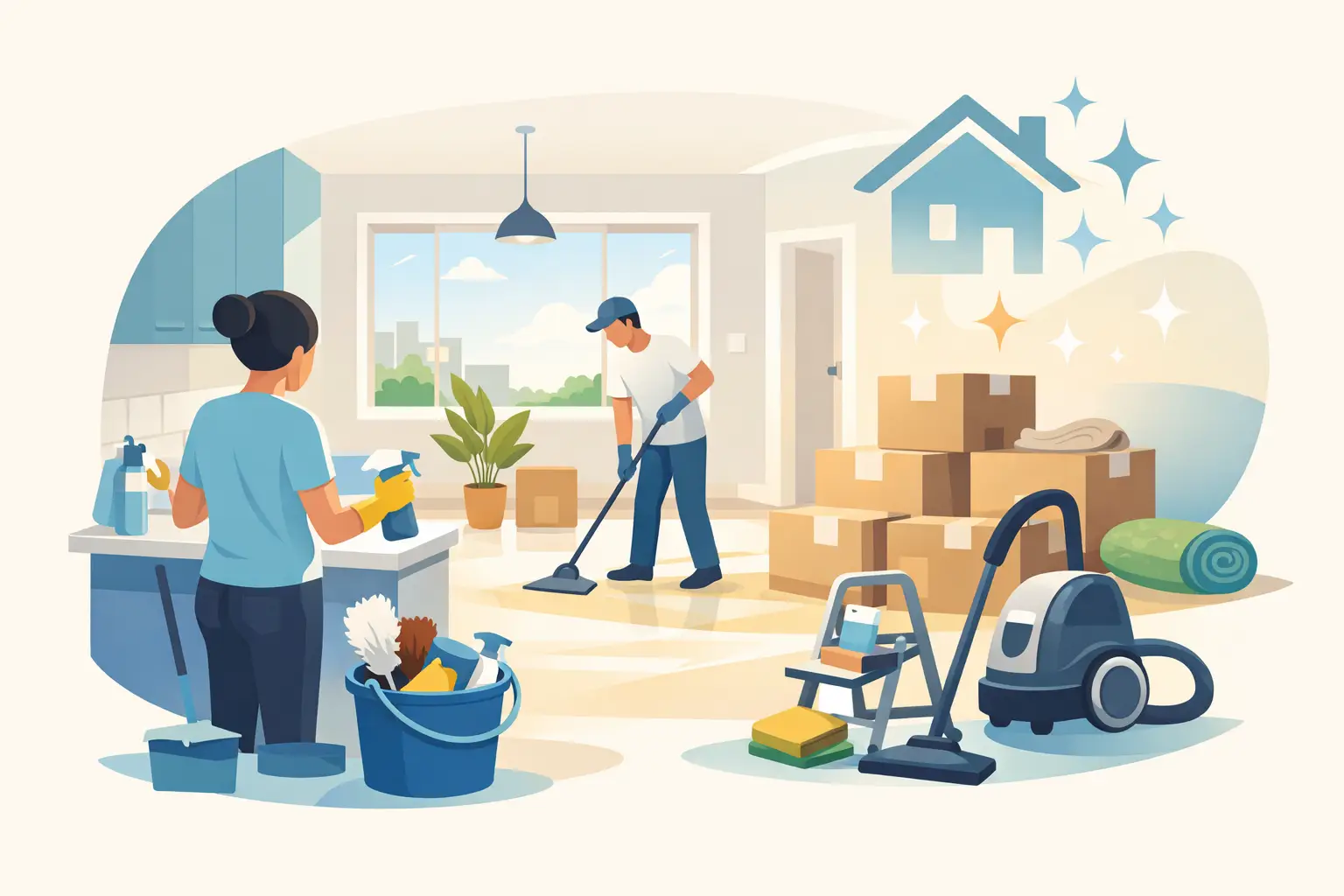
The keys are in your hand, the removal van is booked, and the place looks empty enough to seem clean at first glance. Then you open a kitchen cupboard, notice dust on the skirting boards, or catch the marks left behind in the bathroom. A good move in cleaning guide helps you deal with those details before they become your problem, and that makes the first day in a new home feel far more settled.
Moving in is one of those moments when timing matters. Once furniture arrives, every overlooked shelf, socket and corner becomes harder to reach. Cleaning before you unpack is quicker, more thorough and far less disruptive. It also gives you a clearer view of the property itself, which is useful if you need to spot minor maintenance issues, leftover damage or areas that need extra attention.
Why a move in cleaning guide matters
A property can be vacant and still not be truly ready to live in. Dust settles quickly during viewings, maintenance visits and empty periods, while kitchens and bathrooms tend to hold on to grease, limescale and hidden grime long after the previous occupant has gone. Even in homes that look presentable, there is often a difference between tidy and hygienically clean.
That difference matters if you are moving in with children, managing allergies, bringing pets into the space or simply hoping for a fresh start without inheriting someone else’s mess. For landlords and letting agents, it matters for presentation and tenant satisfaction. For homeowners, it sets the standard from day one. Starting with a properly cleaned home is not about perfection for its own sake. It is about comfort, hygiene and peace of mind.
Clean before the boxes come in
The best approach is to clean the property while it is completely empty. You can reach inside wardrobes, behind appliances, under radiators and around every edge of the flooring without working around furniture. It is also easier to ventilate rooms, spot stains and move from top to bottom in a logical order.
If your move is happening quickly, prioritise the rooms that affect daily life straight away. The kitchen, bathrooms and bedrooms usually come first. Living areas can follow once the essentials are in place, but food preparation areas and sleeping spaces should feel clean from the start.
There is also a practical point here. If carpets need a deep clean, if the oven needs degreasing, or if bathrooms need proper descaling, these jobs are best done before anyone is trying to cook dinner or build a bed frame.
Start with dust, then work down
One of the most common mistakes is cleaning floors too early. In any move in clean, start high and finish low. That means cobwebs, light fittings, curtain rails, tops of cupboards and shelving should be dealt with before work begins on surfaces and floors.
Once the dust is removed, wipe down doors, handles, switches, sockets and internal ledges. These are easy to miss and frequently touched, which makes them worth extra attention. Skirting boards, bannisters and window sills are often more marked than people expect, particularly in empty properties where dust is more visible in natural light.
A measured approach saves time. Rather than jumping between rooms, complete each space fully or repeat the same task across the whole property in sequence. Both methods work. What matters is consistency, especially if several people are helping.
The kitchen deserves the closest attention
If one room defines whether a home feels move-in ready, it is the kitchen. Cupboards and drawers should be emptied of crumbs, dust and residue, then cleaned inside and out. Worktops, splashbacks and tiled areas need degreasing rather than a quick wipe, especially around the hob.
Appliances often tell the real story. The oven may need a full deep clean if there is baked-on grease or burnt residue. The fridge and freezer should be sanitised and left fresh, with seals, shelves and handles properly cleaned. If the property includes a dishwasher or washing machine, check the seals, detergent drawer and filter area for build-up.
Sinks and taps deserve more than a surface rinse. Limescale around the base of taps, dull stainless steel and blocked plugholes can make a kitchen feel tired even when everything else is clean. A polished, odour-free sink area changes the feel of the room immediately.
Bathrooms need hygiene, not just shine
Bathrooms can look acceptable from the doorway and still need significant work. This is where a thorough move in cleaning guide proves its value. Toilets, basins, baths and showers all need disinfecting, but the finer details matter just as much. Grout lines, shower screens, extractor fans, pipework and the edges around fittings often hold the residue that creates an unclean feel.
Limescale is particularly common in hard water areas, and it can take more than one pass to remove it properly. If the property has been empty for a while, run the taps and shower long enough to flush through stale water and check drainage at the same time. Mirrors, chrome and glass should be left streak-free, but hygiene comes before cosmetics.
A bathroom that smells fresh and feels sanitised gives immediate reassurance. That is especially valuable in family homes, rental properties and shared accommodation where cleanliness affects confidence as much as comfort.
Floors, soft furnishings and the finish of the home
Once the higher and harder surfaces are complete, floors can be tackled properly. Vacuuming first is essential, even on hard floors, because loose dust and grit will only spread if mopping starts too soon. Carpets may need more than a vacuum if there are marks, odours or signs of previous pet use.
This is one of those areas where it depends on the property. A nearly new carpet in a well-kept house may only need a careful freshen-up. In a rental or recently purchased home with visible wear, professional carpet cleaning can make a substantial difference to both appearance and hygiene.
If curtains, blinds or upholstery are staying in the property, assess them honestly. Fabric holds odours more than many people realise. A room can be spotless and still feel stale because the soft furnishings have trapped dust, cooking smells or smoke over time.
What to check room by room
A practical move in cleaning guide should also include the overlooked areas that affect daily comfort. Bedrooms need wardrobes, drawer interiors and bed spaces cleaned before anything is put away. Hallways and entrances should be wiped down carefully because they set the first impression and collect the most foot traffic. In living rooms, pay attention to sockets, media units, radiators and window frames.
If the home has utility rooms, conservatories or built-in storage, do not leave them until later unless you are happy for clutter to build up quickly. These spaces are often used heavily from the first day and become frustrating if they start off dusty or neglected.
It is also worth checking bins, external thresholds and any interior glazing. These are small details, but together they create that polished, cared-for finish people notice straight away.
DIY or professional cleaning?
There is no single right answer here. If the property is already in good condition and you have time before the move, a DIY clean may be enough. That tends to work best for smaller flats, straightforward house moves or homes that have been cleaned recently.
If the property is larger, has been vacant for some time, shows signs of heavy use, or you are working to a tight handover schedule, professional support is often the better choice. The value is not only in the labour. It is in the standard, the equipment and the ability to get the job done efficiently before the rest of the move takes over.
For landlords, agents and busy homeowners, that reliability matters. In places such as Exeter, Plymouth and across the wider South West, where turnaround times can be tight and presentation matters, a professional clean can remove a considerable amount of pressure from the moving process.
Make your first day easier
The strongest cleaning plans are realistic. Focus first on hygiene, then on presentation, and leave decorative touches until the property is genuinely clean underneath. Keep essential supplies accessible, ventilate the rooms well, and photograph any issues you discover before unpacking starts.
A clean home does more than look good. It helps you settle faster, unpack with confidence and start using the space as it was meant to be used. If time is short or the job is bigger than expected, bringing in a trusted team such as Blueglade Cleaning can be the simplest way to make sure your new beginning starts at the right standard.
When you walk into a new home, you should be thinking about where the sofa goes, not whether the cupboards need scrubbing first.
Leave a Reply